Introduction
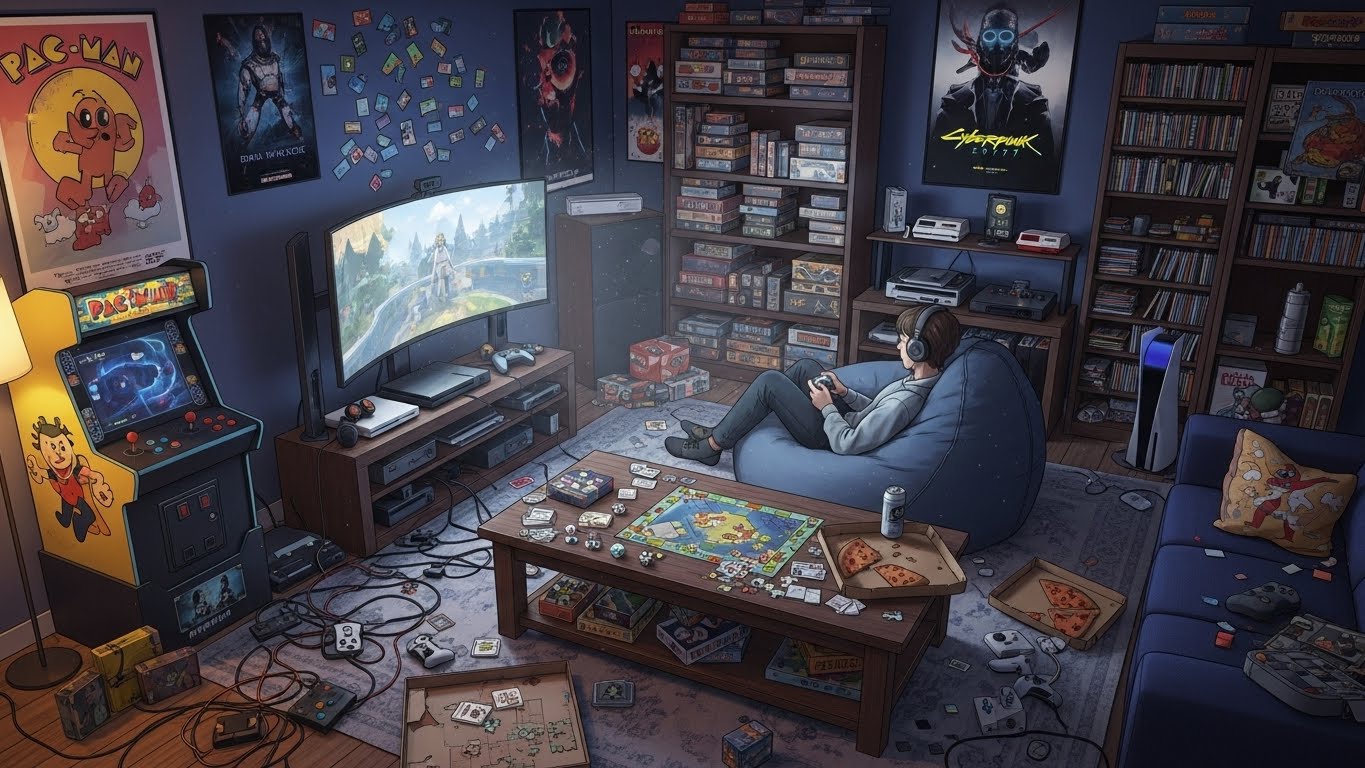
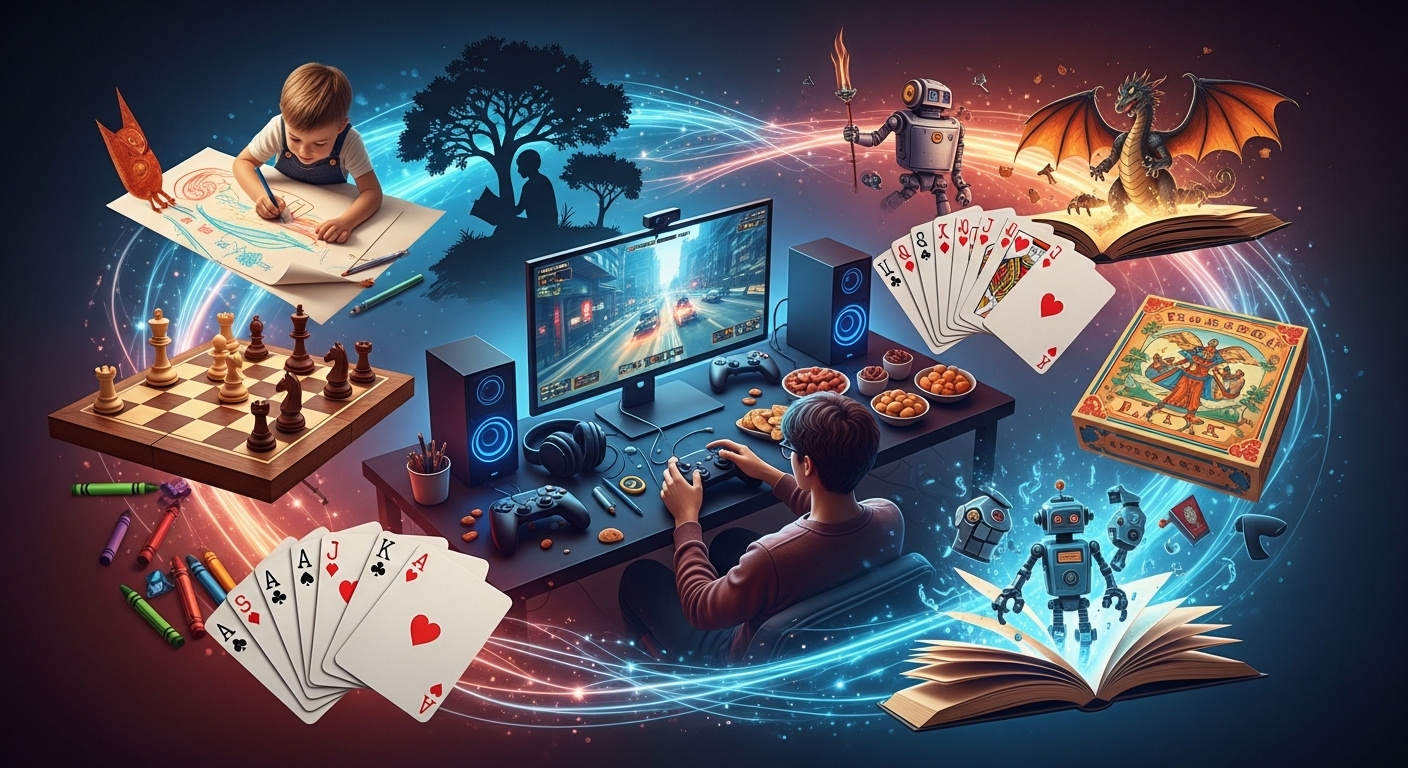
Games have been a central part of human culture for thousands of years, evolving from simple activities to complex digital experiences that entertain, educate, and connect people globally. Whether it’s a child’s first game of tag, a family board game night, or a professional esports tournament, the world of games offers something for everyone. At their core, games represent an intersection of creativity, strategy, and social interaction. In this blog post, we will explore the various dimensions of gaming, from its historical roots to its modern-day innovations, and examine how games have become a transformative force in entertainment, education, and community.
The Origins of Games: From Physical Play to Structured Competition
The history of games dates back to ancient civilizations. Early games were often tied to the development of social structures and culture. Ancient Egyptians played games like Senet, a board game that also had symbolic spiritual significance. The Greeks introduced the concept of competitive games with the Olympic Games, and many cultures developed games to test skill, chance, and intellect.
By the time the Industrial Revolution arrived, games began to take on a more structured form. Board games such as chess, checkers, and backgammon became staples in households worldwide, each reflecting a particular approach to strategy and social interaction. These early games laid the foundation for the complex, digital experiences that would emerge centuries later.
The Digital Revolution: Video Games Enter the Scene
The 20th century brought about the most significant shift in the world of games. The advent of computers and the rise of electronic devices gave birth to the first video games. In the 1970s, arcade machines like Pong and Space Invaders captured the public’s imagination, marking the beginning of a new era in entertainment. These simple games, driven by cutting-edge technology at the time, transformed the way people experienced play.
The 1980s and 1990s saw the explosion of home consoles, from the Atari 2600 to the Nintendo Entertainment System (NES) and the Sega Genesis. These consoles made it possible for people to play video games in the comfort of their own homes, bringing gaming into the mainstream. Iconic titles such as Super Mario Bros., The Legend of Zelda, and Sonic the Hedgehog became household names, creating a sense of community and competition.
Gaming as an Art Form: The Role of Storytelling and Design
One of the most remarkable developments in the world of gaming has been the emergence of video games as a form of art. As technology advanced, game developers began to focus not just on gameplay mechanics but on crafting immersive, emotionally resonant narratives. Games like Final Fantasy VII, The Last of Us, and Red Dead Redemption are more than just games—they are epic stories that rival those told in books and films.
The success of these titles has proven that video games can deliver compelling storytelling, character development, and world-building in ways that no other medium can. In fact, many modern video games are created by teams of artists, designers, writers, and composers who work together to produce experiences that engage all the senses. The graphical fidelity, musical scores, and intricate plots in these games demonstrate that gaming is not just about fun—it is a complex and evolving art form.
The Rise of Online and Multiplayer Games
With the rise of the internet, gaming entered a new phase—online multiplayer. In the late 1990s and early 2000s, games like StarCraft and Diablo II introduced the concept of online play, allowing people to connect and compete with others around the world. This connectivity transformed gaming from a solitary activity into a social experience.
Massively multiplayer online role-playing games (MMORPGs) like World of Warcraft further expanded this concept, creating virtual worlds where players could interact with thousands of other people. These games introduced new dimensions to storytelling and competition, as players took on roles within vast, dynamic worlds. Online multiplayer games have become a cultural phenomenon, leading to the rise of esports, streaming platforms like Twitch, and a global community of gamers.
Mobile Gaming: Gaming on the Go
The rise of smartphones in the late 2000s revolutionized gaming once again. Mobile games made it possible for anyone with a smartphone to play games, anytime and anywhere. Casual games like Angry Birds, Candy Crush, and Pokémon Go attracted millions of players who might not have traditionally considered themselves gamers.
Mobile gaming’s success is rooted in its accessibility. Mobile games tend to be quick, easy to learn, and easy to play in short bursts, making them ideal for people with busy schedules. The success of mobile platforms has also influenced the design of games across all genres, with developers increasingly focusing on making their titles accessible to a broader audience.
Esports: Competitive Gaming Goes Mainstream
Esports is one of the fastest-growing segments of the gaming industry. What began as small-scale, local tournaments has evolved into a global phenomenon, with professional players, teams, and broadcasters competing for huge prize pools. Games like League of Legends, Dota 2, Fortnite, and Counter-Strike: Global Offensive have become the centerpiece of the esports industry, attracting millions of viewers online and in stadiums around the world.
Esports has not only created new opportunities for gamers to turn their passion into a career but has also legitimized gaming as a form of professional competition. Esports tournaments now rival traditional sports in terms of viewership, sponsorship, and prestige. This growth has brought about the creation of dedicated esports organizations, professional leagues, and a host of media platforms that provide coverage of tournaments and players.
The Role of Community in Gaming
At its heart, gaming has always been about connection. Whether it’s local multiplayer games like Super Smash Bros. or online titles like Fortnite, gaming provides a unique space for people to come together, compete, and form friendships. The online gaming community is vast, spanning across borders, cultures, and languages, uniting people through a shared love of play.
Gaming communities are more than just about playing games—they are spaces for people to share experiences, discuss strategies, and build relationships. Platforms like Reddit, Discord, and Twitch have allowed gamers to connect, share content, and create content, strengthening the sense of community within gaming. Additionally, user-generated content, such as mods, fan art, and fan fiction, has become an integral part of many gaming cultures, adding depth and richness to the experiences offered by games.
The Educational Potential of Games
Games have also found a place in education. From teaching basic arithmetic through games like Math Blaster to using Minecraft for teaching history and creativity, games are increasingly being recognized for their educational potential. Games can provide engaging, interactive experiences that promote problem-solving, critical thinking, and collaboration.
Gamification—the integration of game mechanics into non-game contexts—has also gained traction in business, health, and education. By introducing elements of game design, such as rewards, progression, and competition, these industries aim to motivate and engage people in activities that might otherwise feel mundane. The use of games for learning purposes is a growing field, with research indicating that gaming can enhance cognitive skills, improve retention, and encourage engagement in ways traditional teaching methods sometimes struggle to achieve.
The Future of Games: Virtual Reality and Beyond
Looking ahead, the future of gaming is incredibly exciting. Virtual reality (VR) and augmented reality (AR) are expected to be at the forefront of gaming’s next big leap. VR games provide players with fully immersive experiences, transporting them into digital worlds where they can interact with the environment in ways that traditional gaming cannot match. Games like Half-Life: Alyx and Beat Saber have already demonstrated the potential of VR, and as technology continues to improve, we can expect even more innovative VR titles to emerge.
AR, on the other hand, blends the digital world with the physical, allowing players to interact with virtual objects superimposed onto the real world. Pokémon Go was a major breakthrough in this field, and as AR technology continues to evolve, it will create new possibilities for gaming that go beyond traditional screens and controllers.
Another key trend in gaming is cloud gaming, which allows players to stream games without the need for powerful hardware. Services like Google Stadia and Xbox Cloud Gaming are paving the way for a future where players can access their favorite games on any device with an internet connection, breaking down the barriers between platforms.
Conclusion
The world of games is vast, dynamic, and ever-evolving. From its humble origins in ancient civilizations to the immersive digital experiences of today, gaming has become an integral part of modern life. Games offer entertainment, education, social interaction, and creative expression, making them a unique medium that appeals to people of all ages and backgrounds.
As technology continues to push the boundaries of what’s possible, the future of gaming holds infinite possibilities. Whether it’s through advanced VR, mobile gaming, or esports, games will continue to evolve, shaping the way we interact with the world around us. The impact of games on culture, society, and technology is undeniable, and one thing is for sure: the world of play is only getting started.