Introduction
Games have always been a reflection of human creativity and curiosity. From simple childhood pastimes to complex digital adventures, games offer more than just entertainment—they build skills, inspire imagination, and connect people across the globe. Over the centuries, games have evolved from traditional forms of play into sophisticated virtual worlds powered by technology. Today, gaming is a global phenomenon that influences culture, education, and even business. This blog explores the fascinating journey of games, their impact on society, and the limitless possibilities they hold for the future.
The Ancient Beginnings of Games
Long before the advent of technology, humans found joy and learning through games. Ancient civilizations such as Egypt, China, and India used games as both entertainment and tools for strategic thinking. Archaeological findings reveal that Egyptians played Senet, a board game that dates back over 5,000 years. Similarly, in ancient China, Go became a symbol of wisdom and patience, teaching players how to think ahead and strategize.
In India, chess originated as Chaturanga, a game that simulated warfare and required tactical planning. These early games were more than just diversions—they reflected cultural values, social hierarchies, and human intellect. They taught lessons of strategy, patience, and teamwork, which still apply to modern life and modern gaming.
The Transformation of Games in the Modern Age
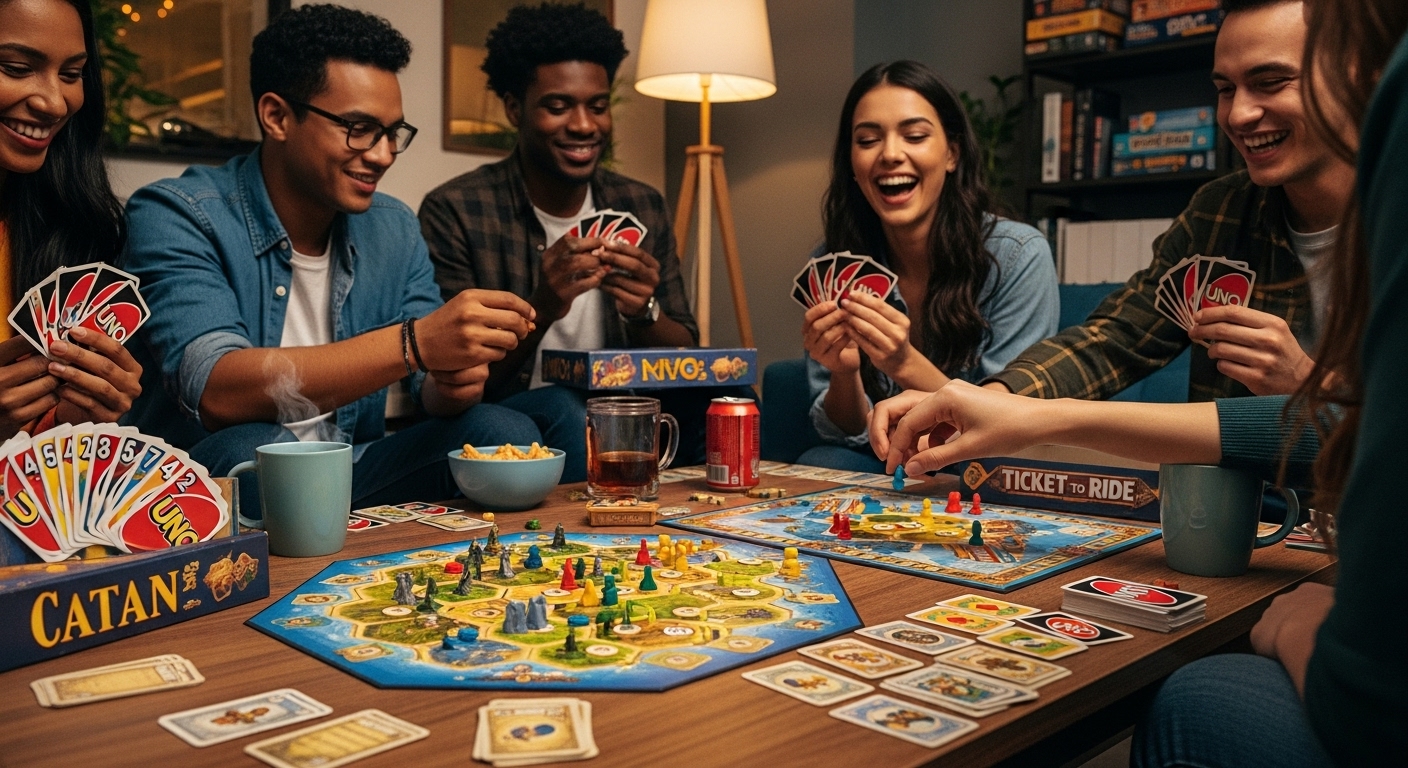
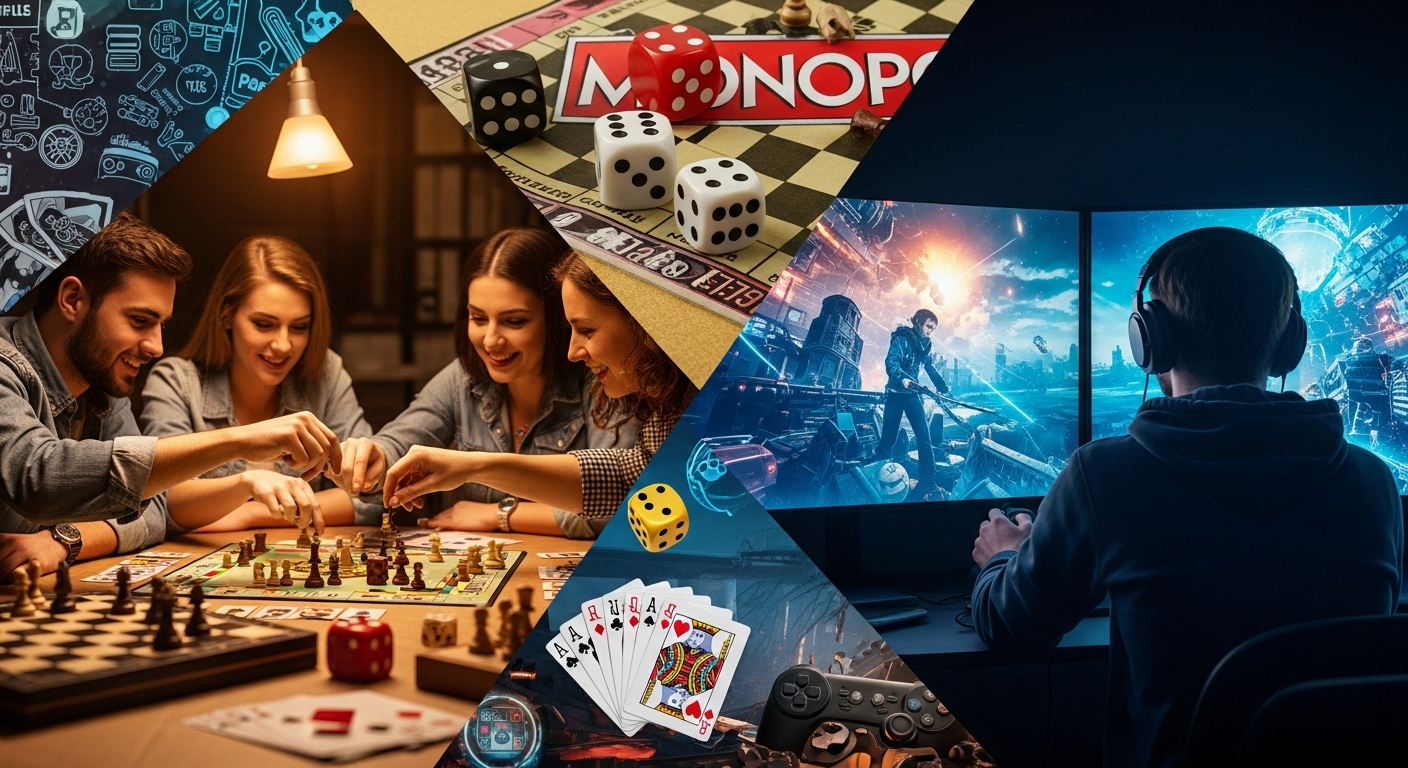
With the rise of industrialization and modern education, the concept of gaming evolved significantly. Board games like Monopoly, Scrabble, and Ludo brought families and friends together in friendly competition. These games promoted bonding, learning, and creativity, providing entertainment that required no electricity—just imagination and cooperation.
However, the most transformative moment in gaming history arrived in the mid-20th century with the introduction of electronic gaming. The invention of computers and later, video game consoles, gave birth to an entirely new form of play. Early games such as Pong and Space Invaders may have looked simple by today’s standards, but they opened the door to a world of digital adventure.
The Rise of Video Games: A New Era of Entertainment
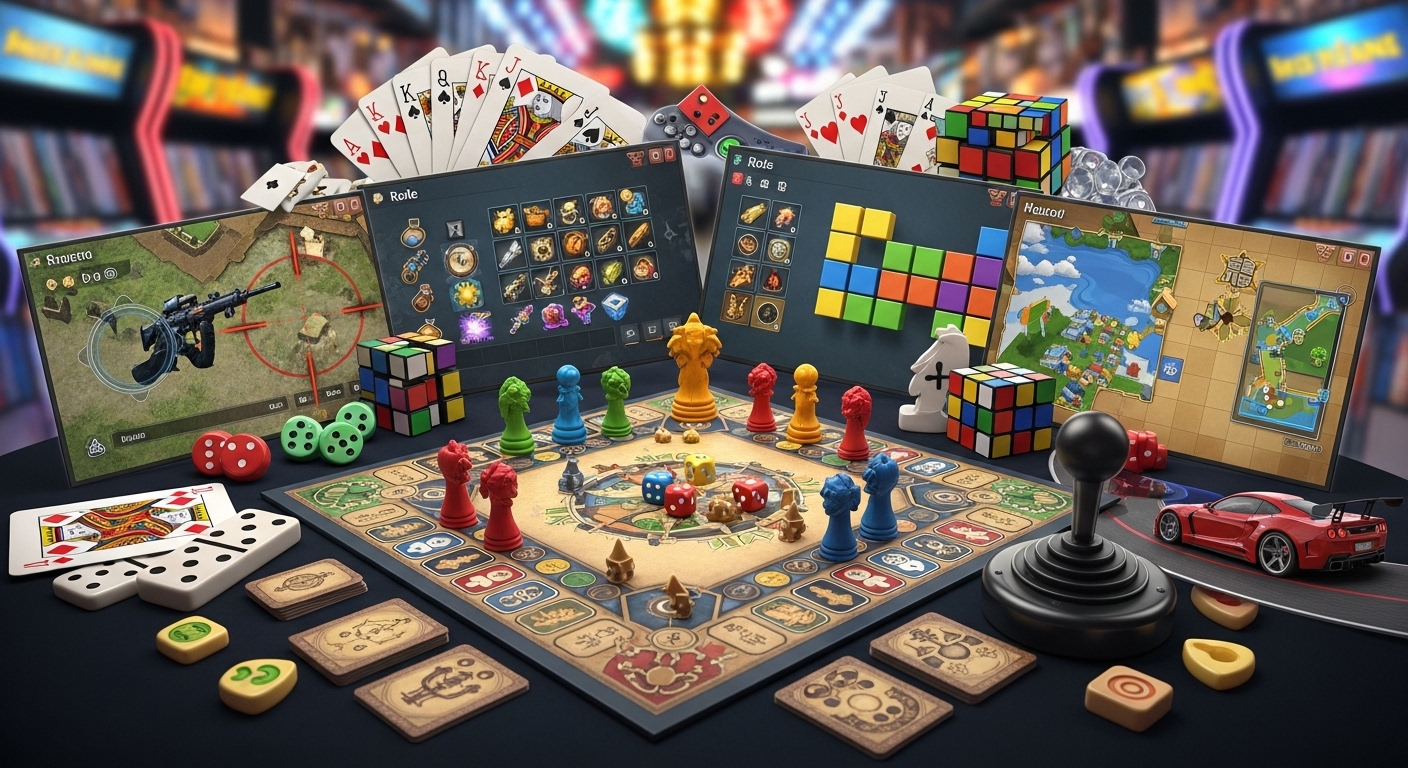
The 1970s and 1980s marked the golden dawn of video games. Arcade machines appeared in shopping malls and entertainment centers, attracting both children and adults. Games like Pac-Man, Donkey Kong, and Tetris became cultural icons. These games were not only entertaining but also introduced competitive gaming to the masses.
The 1990s witnessed a revolution with home gaming consoles such as the Nintendo Entertainment System, Sega Genesis, and later, the Sony PlayStation. For the first time, people could enjoy high-quality gaming experiences from the comfort of their homes. Titles like Super Mario Bros., Sonic the Hedgehog, and The Legend of Zelda transformed gaming into a household phenomenon. These games also laid the foundation for storytelling in video games, blending art, music, and narrative in ways that rivaled movies.
The Evolution of Game Design and Storytelling
As technology advanced, so did the art of game design. What once were pixelated graphics evolved into realistic, immersive 3D environments. Game developers began focusing not only on gameplay but also on emotional storytelling and world-building. Titles like Final Fantasy, Metal Gear Solid, and The Last of Us redefined gaming as a narrative art form.
Players were no longer just completing levels—they were living stories, making choices, and shaping outcomes. This interactivity became one of gaming’s greatest strengths. Unlike movies or books, games gave players agency and participation, allowing them to experience a sense of control and consequence.
The Growth of Online and Multiplayer Games
The internet completely changed the way people played. The rise of online multiplayer games in the late 1990s and early 2000s connected players from all corners of the world. Games like Counter-Strike, World of Warcraft, and later Fortnite and PUBG turned gaming into a social experience.
No longer limited to playing alone, gamers could team up, compete, and communicate in real-time. This not only built communities but also fostered teamwork and communication skills. Online gaming introduced the concept of “virtual friendships” and even professional competition. The idea that gaming could be both a career and a sport gave rise to esports—a billion-dollar industry that continues to expand every year.
Mobile Gaming: Play Anytime, Anywhere
The arrival of smartphones marked another major shift in the gaming landscape. Mobile gaming brought play into everyone’s hands. With simple touch controls and accessible design, mobile games reached audiences that traditional consoles never could.
Games like Candy Crush, Clash of Clans, and Temple Run became global sensations. The beauty of mobile gaming lies in its simplicity and accessibility. Anyone, regardless of age or experience, can enjoy gaming on a mobile device. Mobile platforms also encouraged innovation in game design, inspiring developers to create shorter, more engaging experiences that fit into modern lifestyles.
Educational and Cognitive Benefits of Gaming
Contrary to outdated beliefs that games are a waste of time, research now shows that gaming can have numerous cognitive and educational benefits. Strategy and puzzle games improve problem-solving and critical thinking skills. Action games enhance hand-eye coordination and reaction times. Simulation games encourage creativity and resource management.
Many educational institutions are incorporating game-based learning into their curriculums. Games like Minecraft are used to teach math, science, and design concepts. Historical games such as Assassin’s Creed have even been used to help students learn about ancient civilizations. Gaming encourages curiosity, experimentation, and persistence—all essential skills for success in the real world.
Social and Emotional Impact of Games
Beyond skill development, games have also become tools for emotional expression and connection. Story-driven games allow players to explore complex themes such as loss, identity, and morality. Games like Journey and Celeste have been praised for their emotional depth and artistic beauty.
Online games provide spaces for friendship, teamwork, and even therapy. For many players, gaming communities become safe havens where they can express themselves freely. Especially during challenging times, such as the global pandemic, gaming offered a sense of connection and relief from isolation.
The Emergence of Esports and Streaming Culture
In recent years, gaming has become more than just playing—it has turned into a spectator activity. Platforms that allow live streaming of games have transformed players into entertainers and influencers. Millions of viewers tune in daily to watch their favorite gamers compete, chat, and showcase their skills.
Esports has elevated competitive gaming to professional levels, with global tournaments, sponsorships, and prize pools worth millions. Games like League of Legends, Dota 2, and Valorant have become global stages for young talent. The combination of skill, strategy, and teamwork has made esports one of the most rapidly growing industries in entertainment.
Virtual Reality and the Future of Immersive Play
The future of gaming lies in immersion. Virtual Reality (VR) and Augmented Reality (AR) are pushing boundaries by blending the real and digital worlds. With VR headsets, players can step directly into the game world, feeling as if they are part of the action. AR games like Pokémon Go have demonstrated how gaming can blend with physical environments, encouraging exploration and activity.
These innovations are not limited to entertainment. Virtual reality is being used in medicine, education, and training. Pilots, surgeons, and soldiers use simulation games to practice real-world skills safely. As technology improves, the line between gaming and reality continues to blur, opening endless possibilities for interactive experiences.
The Role of Artificial Intelligence in Modern Games
Artificial intelligence (AI) has become an essential part of modern gaming. AI-driven characters adapt to player behavior, making gameplay more dynamic and realistic. In strategy games, AI opponents learn from the player’s decisions, creating a constantly evolving challenge.
AI is also used in procedural generation, allowing developers to create vast open worlds that feel alive. Games such as No Man’s Sky and Skyrim rely heavily on AI to build complex environments and behaviors. This innovation has led to games that can evolve endlessly, offering fresh experiences every time a player returns.
Gaming as a Cultural and Creative Force
Today, games are more than entertainment—they are cultural artifacts. Just like movies and books, they reflect society, explore human emotions, and tell stories that resonate across generations. The artistry of modern games rivals traditional forms of art, with stunning visuals, music, and writing.
Gaming conventions, cosplay, and fan communities celebrate this creativity, turning gaming into a lifestyle. Gamers are not just consumers—they are participants in a global cultural movement.
Challenges Facing the Gaming Industry
Despite its success, the gaming industry faces challenges. Issues such as addiction, online toxicity, and excessive monetization have raised concerns. Developers and policymakers are working to promote healthy gaming habits and ensure games remain a positive influence.
Representation and diversity are also crucial areas of improvement. Modern games are increasingly including diverse characters and stories, ensuring that everyone feels seen and included in gaming culture.
Conclusion
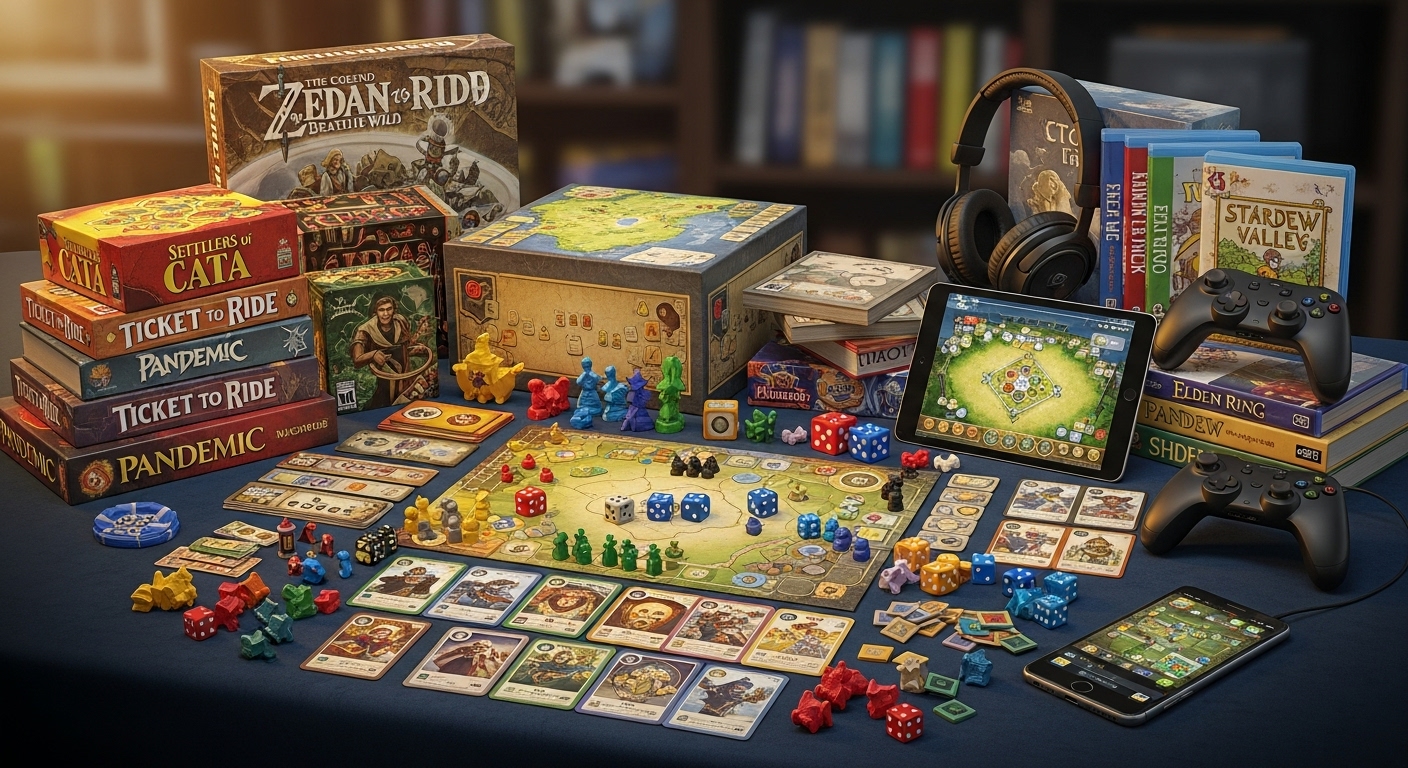
The world of games has come a long way—from ancient board games carved in stone to immersive digital universes powered by cutting-edge technology. Games have become a powerful medium for creativity, education, and connection. They challenge our minds, bring joy to our hearts, and unite people across continents.
As we look toward the future, gaming will continue to evolve, breaking barriers between imagination and reality. Whether it’s through virtual worlds, educational experiences, or competitive arenas, games will always remain an essential part of human life—a reminder that play is not just for children, but a lifelong journey of discovery, learning, and joy.