Introduction: The Power of Games
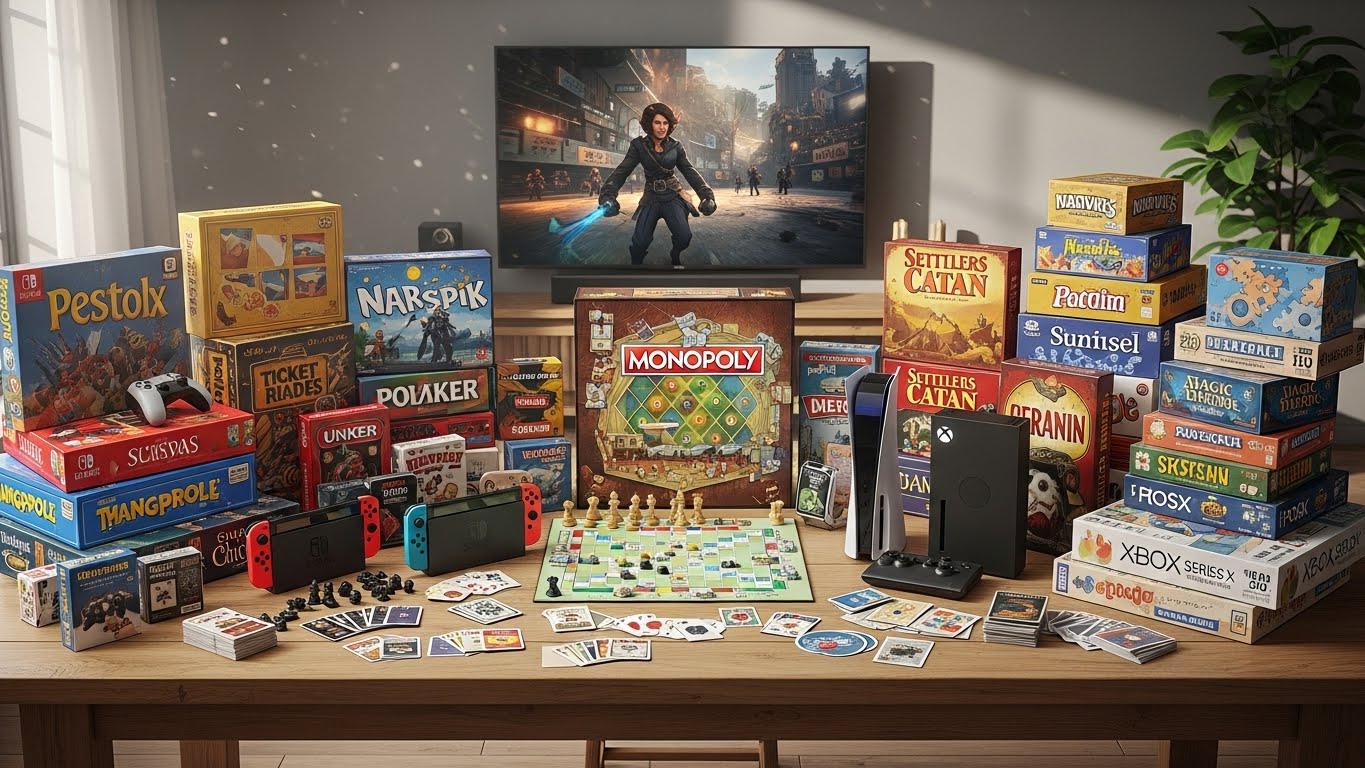
Games have been an integral part of human culture for centuries. From simple board games to complex digital experiences, they provide a platform for creativity, strategy, competition, and social interaction. In the modern world, gaming has evolved into a massive industry that influences entertainment, technology, and even education.
Today, games are more than leisure activities; they are vehicles for storytelling, skill development, and social connection. They bring people together, stimulate cognitive growth, and offer immersive experiences that transcend reality. This blog explores the evolution of games, their impact on culture, technology, and society, and the opportunities they present for the future.
The Origins of Gaming
Games have existed since ancient times. Early civilizations developed games for entertainment, education, and ritual purposes. Board games like Senet in Egypt and Go in China were not only pastimes but also tools for strategic thinking and social interaction. Dice games and athletic competitions served as recreational and competitive outlets.
The evolution of gaming over centuries reflects the creativity and adaptability of humans. From ancient strategy games to card games in medieval Europe, games have always combined entertainment with cognitive challenge. These foundations laid the groundwork for modern digital gaming.
The Evolution of Video Games
The modern era of gaming began in the mid-20th century with the invention of electronic games. Early arcade games such as Pong and Space Invaders captivated players with simple mechanics and immediate rewards. Home consoles like the Atari 2600 brought gaming into living rooms, creating a new form of entertainment accessible to families worldwide.
The 1980s and 1990s saw rapid innovation with the emergence of iconic franchises like Super Mario, The Legend of Zelda, and Sonic the Hedgehog. These games introduced complex narratives, character development, and immersive worlds. As technology advanced, video games became more sophisticated, offering 3D graphics, open-world environments, and multiplayer experiences that connected players globally.
The Diverse World of Gaming Genres
Gaming is incredibly diverse, encompassing genres that appeal to a wide range of players. Action games test reflexes and coordination, while strategy games challenge critical thinking and planning. Role-playing games immerse players in expansive worlds, offering storytelling and character development. Simulation games replicate real-life scenarios, allowing players to manage cities, businesses, or even personal lives.
Sports and racing games replicate physical competitions in a virtual environment, providing entertainment and realistic experiences. Puzzle and casual games focus on problem-solving and relaxation, catering to players of all ages. This variety ensures that gaming appeals to nearly everyone, offering something for every interest and skill level.
The Social Impact of Gaming
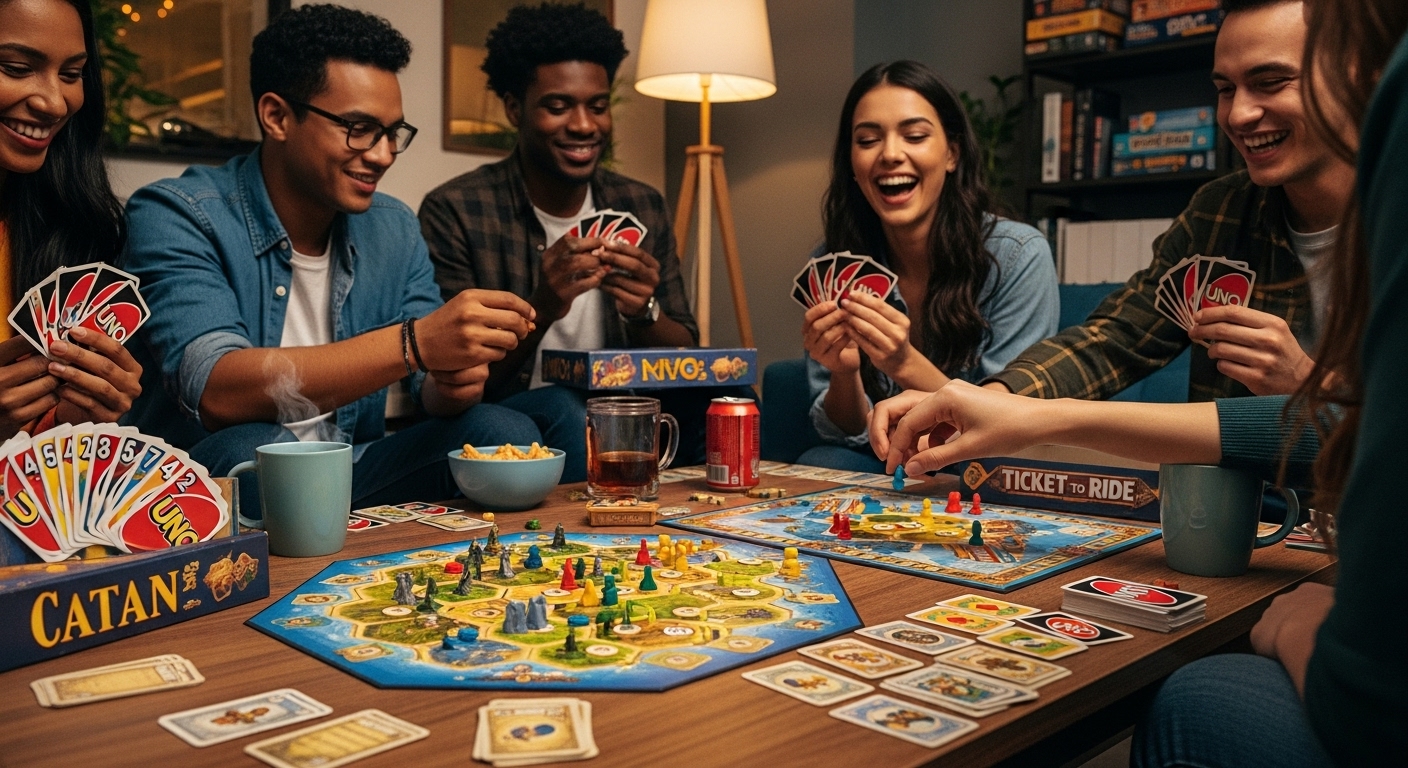
Games are more than individual experiences; they foster social interaction and community building. Multiplayer games allow players to collaborate, compete, and communicate with friends and strangers across the globe. Online communities, forums, and streaming platforms provide spaces for players to connect, share strategies, and celebrate achievements.
Gaming also influences culture. Popular titles inspire fan art, music, cosplay, and storytelling. Communities formed around games often extend beyond the screen, hosting events, conventions, and tournaments. In this way, games have become a cultural touchstone, shaping social trends and creative expression.
Gaming and Cognitive Development
Games are powerful tools for cognitive development. Strategic games enhance problem-solving skills, critical thinking, and decision-making. Puzzle and logic games improve memory and pattern recognition, while simulation and management games teach resource allocation and planning.
Educational games are increasingly used in classrooms to engage students in interactive learning. They provide a fun, immersive way to teach concepts in math, science, history, and language. By combining entertainment with learning, games stimulate curiosity, creativity, and analytical thinking in ways traditional methods may not.
The Economic Significance of Gaming
Gaming has evolved into a major global industry, generating billions of dollars in revenue annually. Video games, mobile apps, and esports contribute to economic growth through sales, digital distribution, merchandise, and events. Major gaming franchises become cultural phenomena, driving brand recognition and consumer loyalty.
Esports, competitive gaming at a professional level, has emerged as a significant economic driver. Professional players, teams, and tournaments attract sponsorships, media coverage, and audiences comparable to traditional sports. Streaming platforms provide income for content creators, while game development studios create careers in technology, art, storytelling, and design.
The Role of Technology in Gaming
Technology is at the heart of modern gaming. Advancements in graphics, processing power, and artificial intelligence have enabled more immersive, realistic, and interactive experiences. Virtual reality (VR) and augmented reality (AR) have taken gaming to new dimensions, allowing players to engage with virtual environments in unprecedented ways.
Online connectivity has revolutionized multiplayer experiences, enabling global collaboration and competition. Cloud gaming services allow players to access high-quality games without expensive hardware. Emerging technologies continue to expand the possibilities of what games can achieve, blending entertainment, education, and social interaction.
Games as Storytelling Mediums
Modern games are powerful storytelling tools. They offer interactive narratives that engage players emotionally and intellectually. Role-playing games, adventure games, and narrative-driven experiences allow players to make choices that shape the story, creating a sense of agency and immersion.
Games can explore complex themes such as morality, identity, conflict, and society. Titles like The Last of Us, Red Dead Redemption, and Life is Strange demonstrate that games can rival literature, cinema, and theater in depth and emotional impact. Storytelling in games creates experiences that are personal, memorable, and transformative.
Games and Mental Health
Gaming can positively impact mental health when approached responsibly. It offers stress relief, relaxation, and social connection. Multiplayer games and online communities provide social interaction, reducing feelings of isolation and loneliness. Puzzle and strategy games improve focus, attention, and cognitive resilience.
However, it is important to balance gaming with physical activity and social engagement. Responsible gaming habits ensure that players reap the benefits without experiencing burnout or negative consequences.
Gaming in Education and Skill Development
Beyond entertainment, games are increasingly used for educational purposes and skill development. Gamification, the application of game mechanics to learning, engages students and motivates them to achieve goals. Games teach problem-solving, critical thinking, teamwork, and creativity—skills that are transferable to real-life situations.
Professional fields also leverage gaming for training. Simulation games are used in aviation, medicine, and military training to provide realistic, risk-free practice. Games allow experimentation, strategic thinking, and adaptability, making them valuable tools for personal and professional development.
The Future of Gaming
The future of gaming is promising and full of innovation. Artificial intelligence, cloud gaming, and immersive technologies like VR and AR will continue to expand the boundaries of what is possible. Games will become more interactive, personalized, and socially connected, offering experiences that blend entertainment, education, and creativity.
Esports and competitive gaming will continue to grow, creating opportunities for players, teams, and content creators. Mobile gaming will remain a dominant force, bringing accessible entertainment to billions worldwide. The gaming industry will increasingly intersect with culture, education, and technology, solidifying its role as a central part of modern life.
Conclusion: The Enduring Impact of Games
Games are far more than entertainment—they are a reflection of human creativity, culture, and innovation. They challenge players intellectually and emotionally, foster social connections, and provide opportunities for education and career development. From ancient board games to modern digital experiences, games have always been a platform for learning, collaboration, and personal growth.
In today’s world, gaming continues to evolve, shaping culture, technology, and society. Whether through storytelling, competitive play, or educational experiences, games influence the way people think, interact, and experience the world. They are not just pastimes; they are transformative experiences that connect people, inspire creativity, and redefine the boundaries of entertainment.