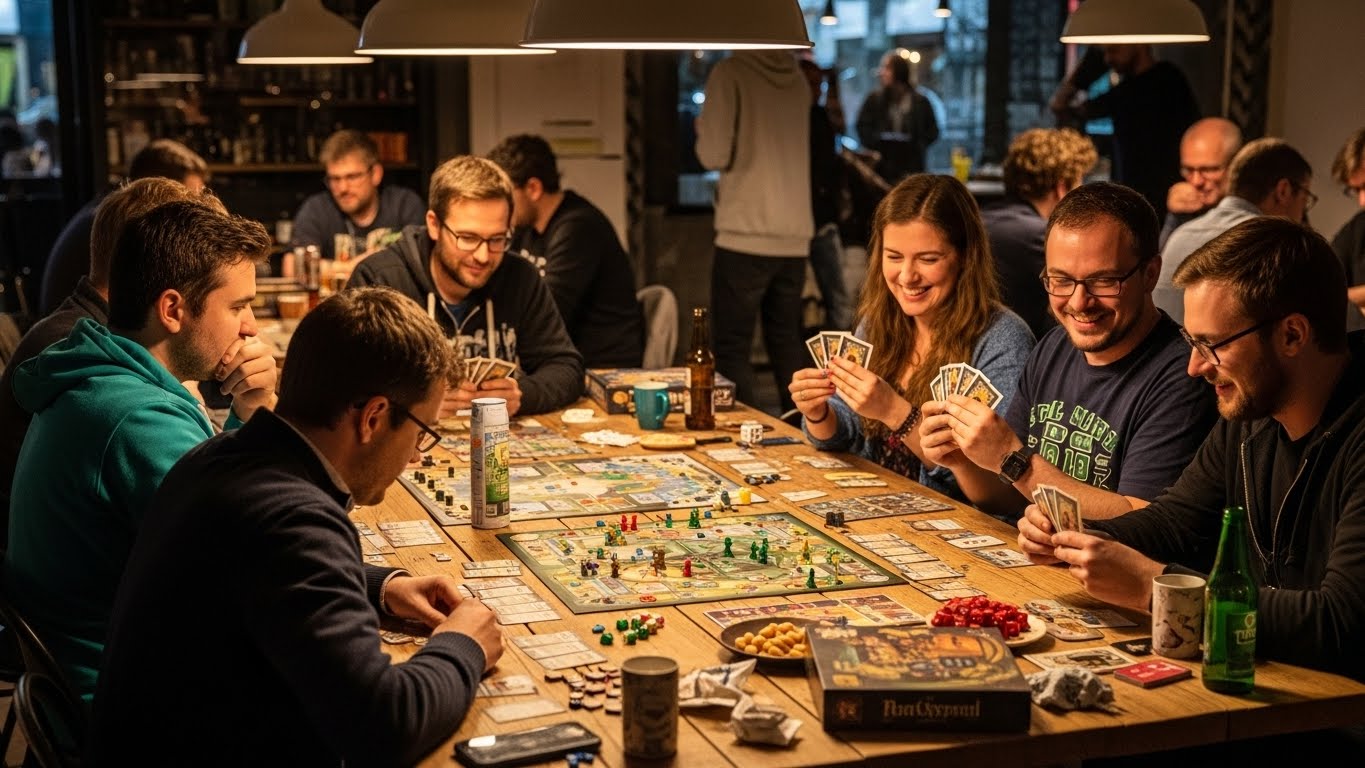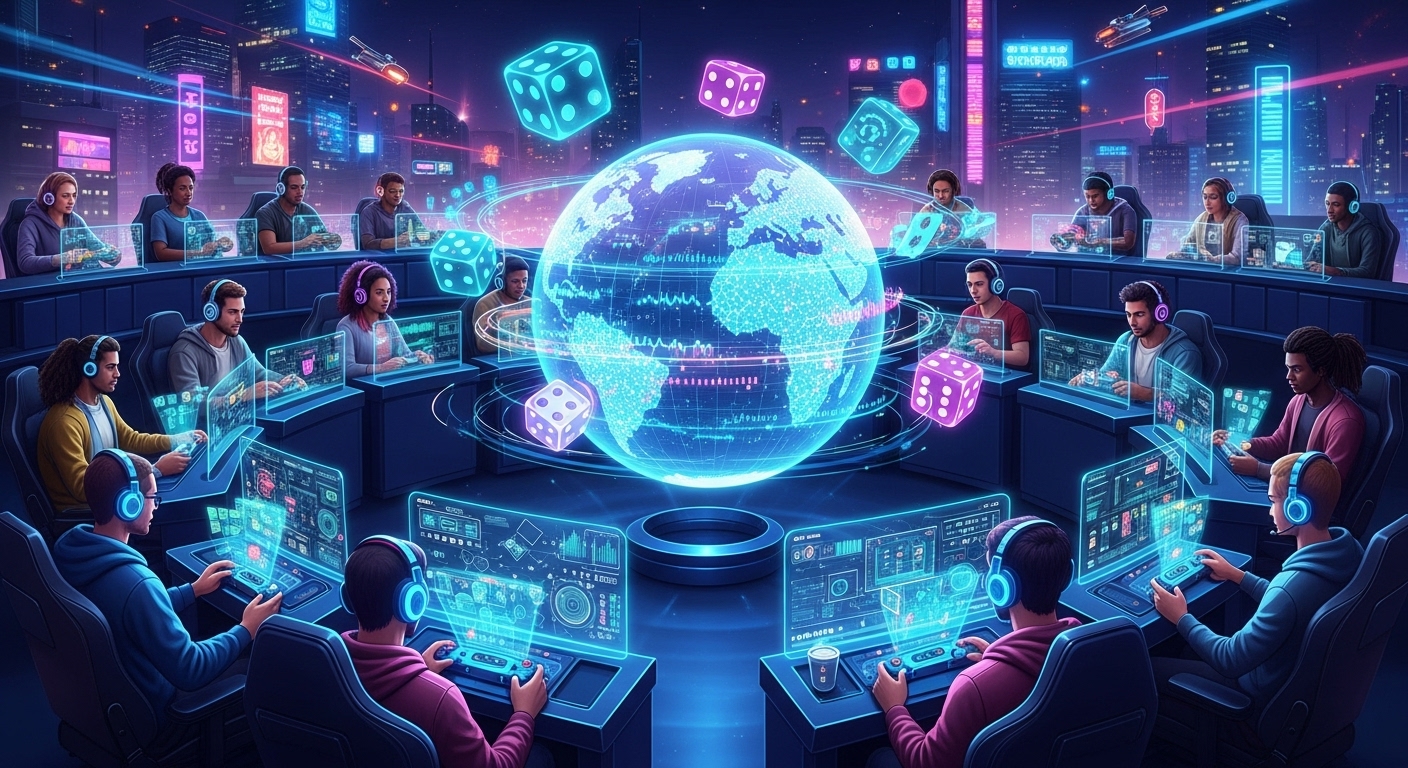
Games have been an integral part of human culture for centuries. From ancient civilizations creating board games to modern digital experiences, games serve as a form of entertainment, education, and social connection. They stimulate the mind, foster creativity, and offer a platform for collaboration and competition. In this blog, we explore the evolution of games, the rise of digital gaming, the impact of games on society, and the trends shaping the future of the gaming industry.
The Historical Roots of Games
Games have existed in human societies for thousands of years. Ancient Egyptians played Senet, a board game believed to have spiritual significance. In China, the game of Go emerged, combining strategy and skill and captivating players for centuries. Dice games and simple contests of chance appeared in Mesopotamia, demonstrating humanity’s longstanding fascination with luck, strategy, and competition.
Games in history served multiple purposes. They were used to teach children social and strategic skills, to pass time, and to reinforce cultural values. Beyond mere amusement, games often carried symbolic or educational significance, making them a vital part of cultural expression.
The Rise of Traditional Games
Traditional games evolved as societies became more organized. Chess, originating from the Indian game Chaturanga, became a symbol of intelligence and strategy, spreading to Europe and the Middle East. Card games like Poker and Bridge introduced probability, decision-making, and social interaction, becoming popular forms of leisure and competition.
Sports and physical games also gained prominence, offering structured opportunities for competition, teamwork, and community engagement. Football, basketball, and athletics became central to social life, cultivating discipline, collaboration, and a sense of belonging. These traditional games laid the groundwork for the diverse gaming experiences we enjoy today.
The Birth of Digital Games
The 20th century brought a revolutionary change with the invention of video games. Early arcade games like Pong and Space Invaders introduced digital interactivity and captivated audiences worldwide. The introduction of home consoles, including the Nintendo Entertainment System and Sega Genesis, brought gaming into living rooms, making it accessible to millions.
Video games added dimensions of storytelling, graphics, and sound, creating immersive experiences far beyond traditional games. Players could explore new worlds, solve complex problems, and interact with environments in ways that were previously impossible. This evolution transformed gaming into a form of art, education, and entertainment simultaneously.
Online and Multiplayer Gaming
The internet ushered in the era of online gaming, connecting players across the globe. Multiplayer experiences in games like Counter-Strike, World of Warcraft, and StarCraft allowed users to compete, collaborate, and form communities regardless of geographic boundaries.
Online multiplayer gaming created vibrant social ecosystems. Guilds, clans, and online communities allowed players to develop strategies, communicate effectively, and build lasting relationships. This shift emphasized gaming as a shared social experience, blending competition, cooperation, and entertainment.
Mobile Gaming: Gaming on the Go
The rise of smartphones and tablets transformed the accessibility of games. Mobile gaming allowed players to enjoy entertainment anywhere, anytime, increasing the frequency and reach of gaming activities. Popular titles like Candy Crush, Clash of Clans, and Pokémon Go brought gaming to a wider demographic, including casual players.
Mobile games are designed for quick, engaging interactions while also providing depth for competitive or strategic players. Features like social integration, real-time multiplayer, and rewards systems enhance engagement, making mobile gaming a central part of modern entertainment.
The Psychology of Games
Games offer more than amusement—they provide cognitive, emotional, and social benefits. Strategy games improve problem-solving, decision-making, and critical thinking. Puzzle games enhance memory, focus, and reasoning skills. Role-playing games promote creativity, storytelling, and empathy by immersing players in character-driven narratives.
Social and multiplayer games foster communication, collaboration, and teamwork. They create communities where players share experiences, celebrate achievements, and support one another. Additionally, games offer stress relief, emotional satisfaction, and a sense of accomplishment, contributing to mental and emotional well-being.
Esports and Competitive Gaming
The rise of esports has transformed gaming into a professional and spectator-driven industry. Competitive games like League of Legends, Dota 2, and Fortnite host international tournaments with professional teams, large audiences, and significant prize pools.
Esports emphasizes skill, strategy, and mental agility. Professional players undergo rigorous training, analyzing opponents and refining tactics similar to traditional athletes. Spectatorship adds entertainment value, blending drama, skill display, and community engagement. The professionalization of gaming has elevated its status and broadened its cultural impact.
Storytelling and Immersion in Games
Modern games often incorporate narrative elements, offering rich storytelling experiences. Role-playing games, adventure titles, and interactive simulations allow players to explore complex worlds and make choices that influence outcomes.
Storytelling in games enhances engagement, creating emotional connections with characters and events. Players become invested in narratives, experiencing consequences and moral dilemmas firsthand. This integration of interactivity and storytelling transforms games from passive entertainment to a dynamic art form.
Technological Innovations Shaping Gaming
Advances in technology continue to push the boundaries of what games can offer. Virtual reality (VR) and augmented reality (AR) provide immersive experiences that blend the digital and physical worlds. Artificial intelligence (AI) enhances gameplay by creating adaptive challenges and intelligent opponents.
Cloud gaming allows high-quality experiences without the need for powerful local hardware. Graphics, sound design, and physics engines improve realism, making games more engaging and emotionally impactful. Continuous technological evolution ensures that gaming remains dynamic, immersive, and innovative.
Cultural Impact of Games
Games have become a central part of modern culture. They influence art, music, fashion, and social media. Iconic characters, narratives, and franchises appear in films, merchandise, and online communities. Gaming fosters global connections, creating subcultures and social norms that transcend geographic boundaries.
Beyond entertainment, games provide platforms for education, cultural expression, and social commentary. They allow players to explore ideas, challenge perspectives, and engage in creative problem-solving. Gaming reflects society’s values while shaping the experiences and interactions of its participants.
Challenges in Gaming
Despite its growth, gaming faces significant challenges. Excessive play and addiction can impact mental health, particularly among younger audiences. Ensuring inclusivity, diversity, and equitable access to gaming experiences remains an ongoing concern.
High development costs, technological complexity, and competitive market pressures create barriers for innovation. Ethical considerations, including monetization, data privacy, and content regulation, require careful attention. Addressing these challenges is essential to maintaining a healthy, responsible, and sustainable gaming industry.
The Future of Gaming
The future of gaming promises even more immersive, interactive, and socially connected experiences. Cloud technology, AI-driven personalization, and VR/AR advancements will redefine gameplay. Games are likely to expand into educational, professional, and collaborative contexts, blending entertainment with learning and skill development.
Social integration, multiplayer ecosystems, and global community features will continue to grow, connecting players worldwide. As technology evolves, gaming will remain at the forefront of cultural innovation, storytelling, and digital entertainment.
Conclusion: The Enduring Importance of Games
Games have evolved from ancient board games to sophisticated digital experiences that entertain, educate, and connect people across the globe. They stimulate creativity, develop cognitive and social skills, and provide a shared space for interaction and competition.
As gaming continues to evolve technologically and culturally, its impact will only deepen. Games are more than a pastime—they are a reflection of human creativity, strategy, and connection. Whether through traditional formats or cutting-edge digital experiences, the power of games to engage, inspire, and connect people remains timeless.