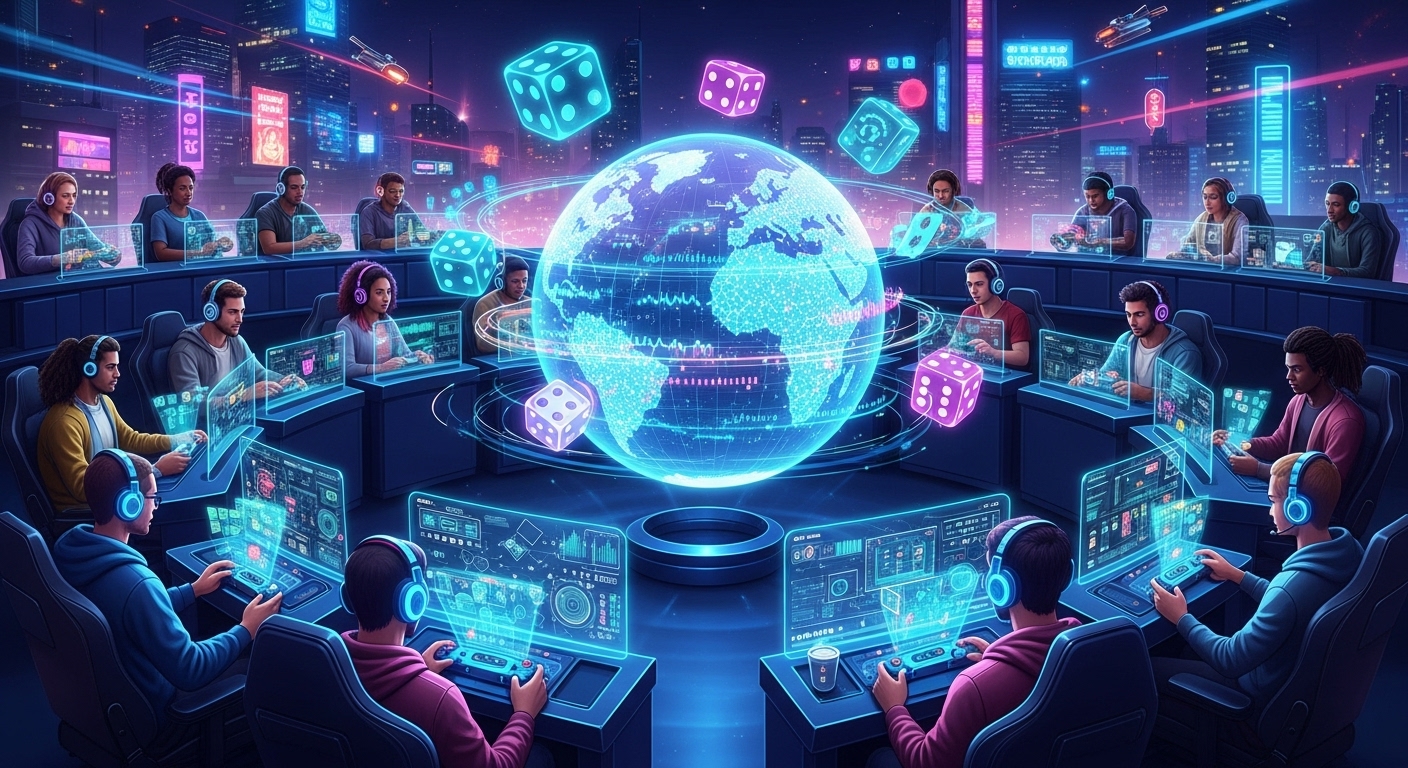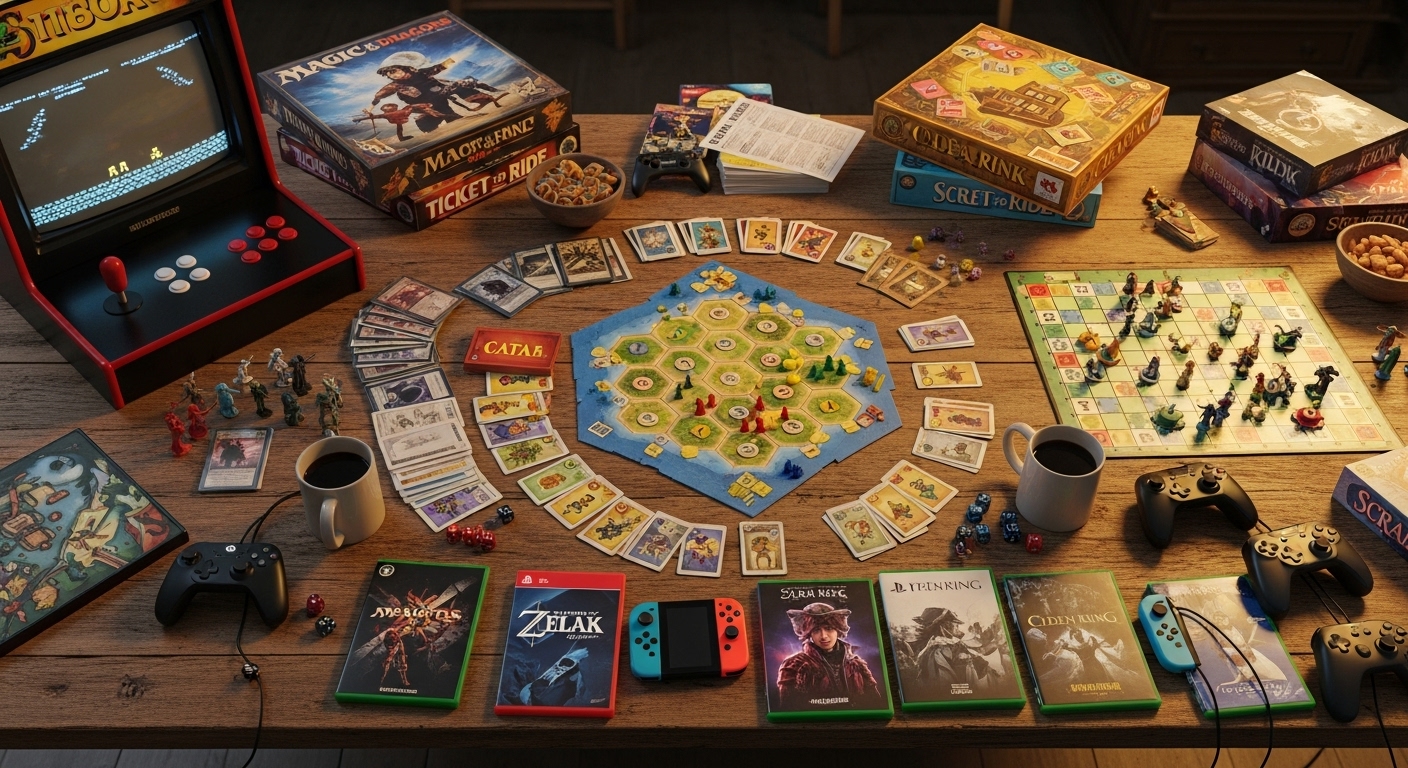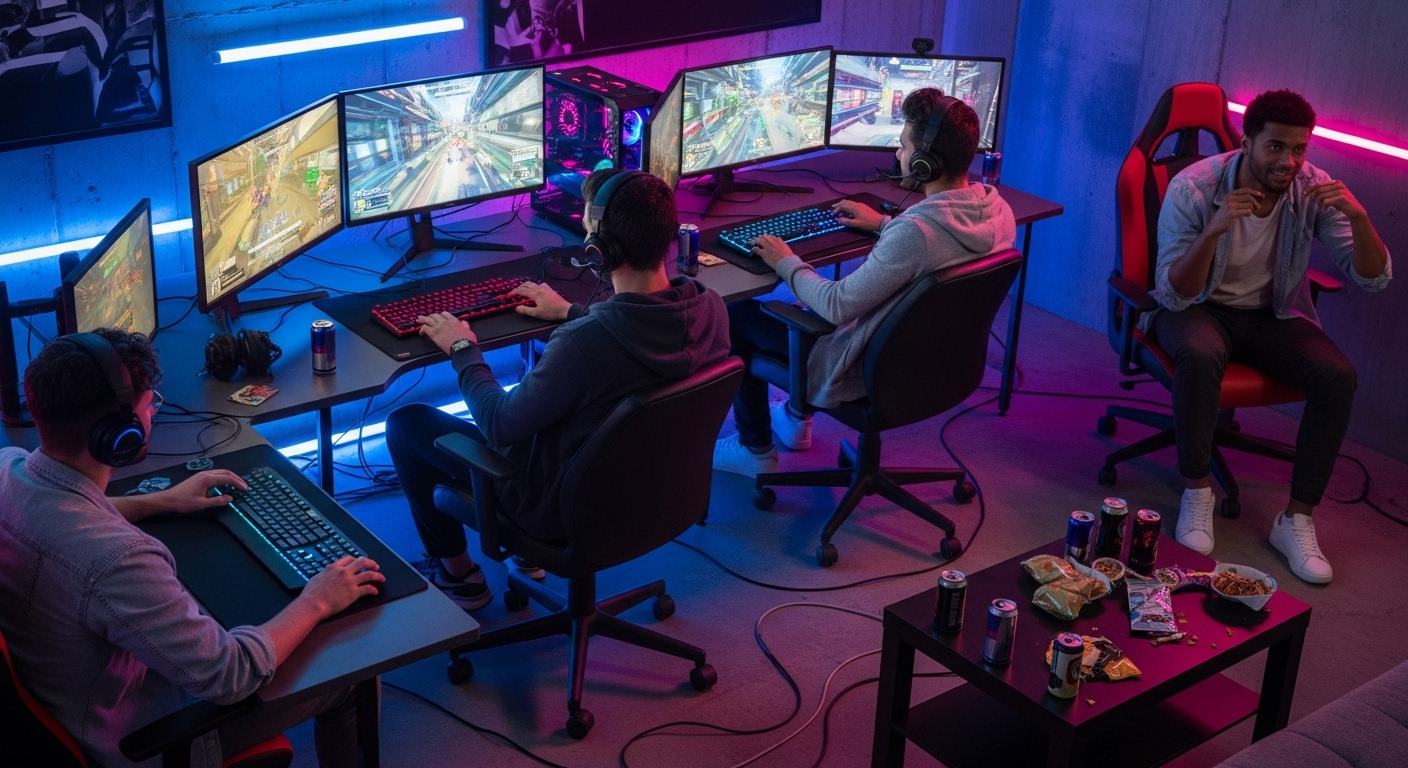
Games have been a part of human culture for thousands of years, evolving from simple pastimes to complex and immersive experiences that span across genres, technologies, and platforms. Whether it’s a quick mobile puzzle, a competitive esports event, or a deeply immersive open-world video game, the world of games has something for everyone. In this blog, we dive into the history, evolution, and impact of games, exploring how they have shaped our entertainment, culture, and even technology.
The Early Origins of Games
Games have existed in some form for millennia. The earliest known board games date back to ancient civilizations, where they were not only a form of entertainment but also served as tools for strategy and social bonding. Games like Senet, which originated in Egypt around 3100 BC, and Go, which was created in China over 2,500 years ago, were among the first to demonstrate the strategic elements that continue to influence game design today.
As human societies evolved, so did the games they played. Many traditional games were created to mimic real-life challenges, like chess, which originated in India as Chaturanga in the 6th century, offering a strategic, military-based contest. These early games were also a way to teach important life skills such as problem-solving, planning, and cooperation.
The Transformation of Games in the Digital Era
While traditional games remained popular for centuries, the advent of technology brought about a dramatic transformation in the gaming world. The 20th century saw the birth of video games, starting with simple arcade games like Pong in the 1970s. These early games introduced a new form of interactive entertainment, allowing players to engage with the game world in real-time.
In the 1980s and 1990s, the rise of home consoles like the Nintendo Entertainment System (NES) and the Sega Genesis revolutionized the gaming industry. These systems made games more accessible, allowing players to enjoy them at home rather than having to visit arcades. The introduction of handheld consoles such as the Game Boy also meant that gaming could be done on the go, expanding the market to a whole new audience of gamers.
As technology advanced, so did the complexity of video games. The development of 3D graphics in the late 1990s brought games to a new level of immersion. Titles like Super Mario 64 and The Legend of Zelda: Ocarina of Time are still considered some of the greatest games of all time, thanks in part to their groundbreaking use of 3D environments.
The Rise of Online Gaming and Social Play
The early 2000s marked the beginning of a new era in gaming with the rise of online multiplayer games. Titles like World of Warcraft and Halo 2 brought players together in virtual worlds where they could collaborate or compete in real-time. The rise of the internet made it possible for players to engage with others from around the world, creating global gaming communities.
Online gaming also sparked the development of new genres, including massively multiplayer online role-playing games (MMORPGs), first-person shooters (FPS), and real-time strategy (RTS) games. The success of online multiplayer gaming has led to the growth of esports, where professional players and teams compete in tournaments watched by millions around the world. Games like League of Legends, Fortnite, and Counter-Strike have become global phenomena, with dedicated fanbases and lucrative prize pools.
Mobile Gaming: Making Games More Accessible
As smartphones became more powerful, mobile gaming exploded in popularity. Games like Angry Birds, Candy Crush, and Clash of Clans offered quick, addictive gameplay that could be enjoyed anywhere, anytime. The accessibility of mobile games democratized the gaming experience, allowing anyone with a smartphone to dive into the world of gaming without the need for expensive hardware or complicated setups.
Mobile gaming also introduced new business models, such as free-to-play (F2P) games with microtransactions, which allowed players to access the game for free but offered in-game purchases for cosmetic items, upgrades, or other bonuses. This model has been incredibly successful, generating billions of dollars in revenue for developers, while also changing the way games are monetized.
The Impact of Games on Culture
Beyond entertainment, games have had a significant impact on culture. Video games are no longer just a form of leisure; they have become a form of art, storytelling, and expression. Games like The Last of Us, Red Dead Redemption 2, and Journey are considered not just games, but masterpieces of storytelling, offering emotionally rich narratives that rival those of movies and books.
In addition to storytelling, games also reflect social and cultural issues. Titles like Papers, Please, which tackles themes of immigration and bureaucracy, or The Witcher 3, which explores topics of racism and inequality, show how games can provoke thought and raise awareness about important global issues. The gaming community, too, has become a platform for discussing cultural trends and experiences, with fan art, cosplay, and streaming becoming significant parts of popular culture.
The Psychology Behind Gaming
Gaming isn’t just fun; it has also been shown to have cognitive and psychological benefits. Research has shown that playing games can enhance problem-solving skills, improve multitasking abilities, and even increase creativity. Puzzle games, in particular, challenge players to think critically and develop strategies to solve increasingly complex problems.
Games also serve as a form of escapism, offering players a break from the stresses of real life. The ability to immerse oneself in a different world, whether it’s a fantasy universe or a historical setting, can provide relief and relaxation. Additionally, games have been shown to foster social connection, as online multiplayer games encourage communication, teamwork, and community-building.
Esports: The Competitive Side of Gaming
The competitive side of gaming has exploded in recent years, with esports becoming a multi-billion-dollar industry. Esports refers to organized, multiplayer video game competitions, particularly between professional players, individually or as teams. Titles like Dota 2, League of Legends, and Overwatch host massive international tournaments, with millions of dollars in prize money and viewers watching online or in stadiums.
Esports has evolved into a professional sport, with players training rigorously, coaching staffs, and sponsorships from major brands. Universities now offer scholarships for esports athletes, and in some countries, professional gamers are treated like traditional athletes. This has created a cultural shift, where gaming is no longer seen as a hobby but as a legitimate career path.
Virtual Reality and the Future of Gaming
One of the most exciting frontiers in gaming is virtual reality (VR). VR technology allows players to fully immerse themselves in digital worlds, using headsets and motion controllers to interact with the environment in ways that were once unimaginable. Games like Beat Saber, Half-Life: Alyx, and The Walking Dead: Saints & Sinners have demonstrated the potential of VR, offering experiences that are as immersive and engaging as traditional gaming, if not more so.
As VR technology continues to improve, the potential for new forms of gaming becomes limitless. The future of gaming may include fully interactive virtual worlds, where players can explore, socialize, and compete in ways that blur the lines between reality and fiction. This technology will likely change the way we perceive and interact with entertainment, making the digital world an even more integral part of our daily lives.
The Future of Gaming
The future of gaming looks bright, with exciting advancements on the horizon. Cloud gaming, for example, allows players to stream high-quality games without the need for expensive hardware. This could make high-end gaming accessible to even more people, leveling the playing field and allowing anyone with an internet connection to experience cutting-edge games.
AI (artificial intelligence) is also set to play a larger role in gaming. AI can be used to create smarter, more challenging opponents and provide players with personalized gaming experiences. It can also improve storytelling by adapting the narrative to the player’s decisions, creating a more dynamic and interactive game world.
With advancements in technology, games will continue to evolve and push the boundaries of what is possible. New genres and experiences will emerge, and the ways we play, share, and experience games will continue to change. One thing is certain: the world of gaming will remain a vibrant and exciting part of our culture for generations to come.
Conclusion
Games have come a long way since their humble beginnings in ancient times. From simple board games to immersive video game experiences, the evolution of games has been nothing short of remarkable. Today, gaming is not only a form of entertainment but a cultural force, influencing art, technology, and social interaction. Whether you’re a casual mobile gamer, a competitive esports player, or a fan of narrative-driven experiences, games have something to offer everyone. As technology continues to advance, the future of gaming promises to be even more exciting, innovative, and immersive than ever before.