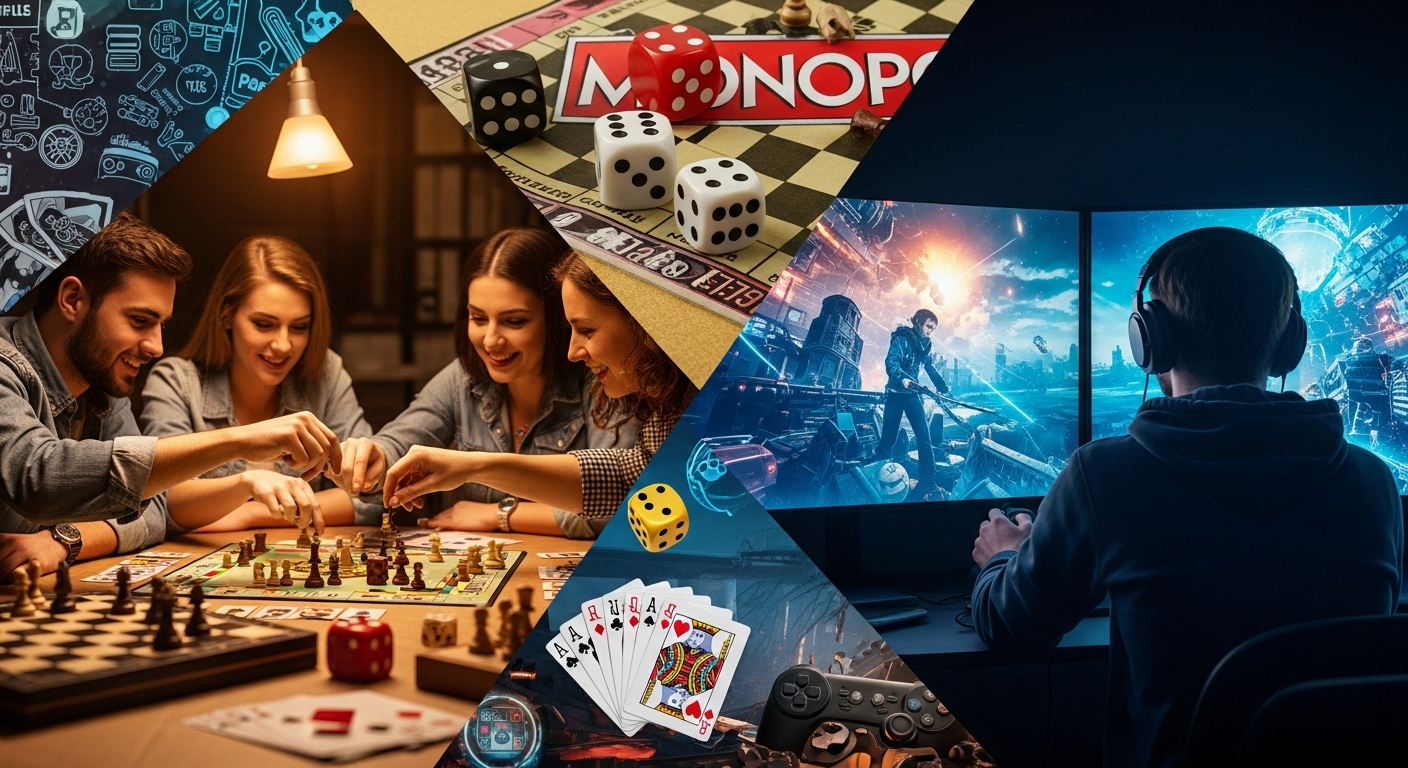
Introduction: The Allure of Games Through Time
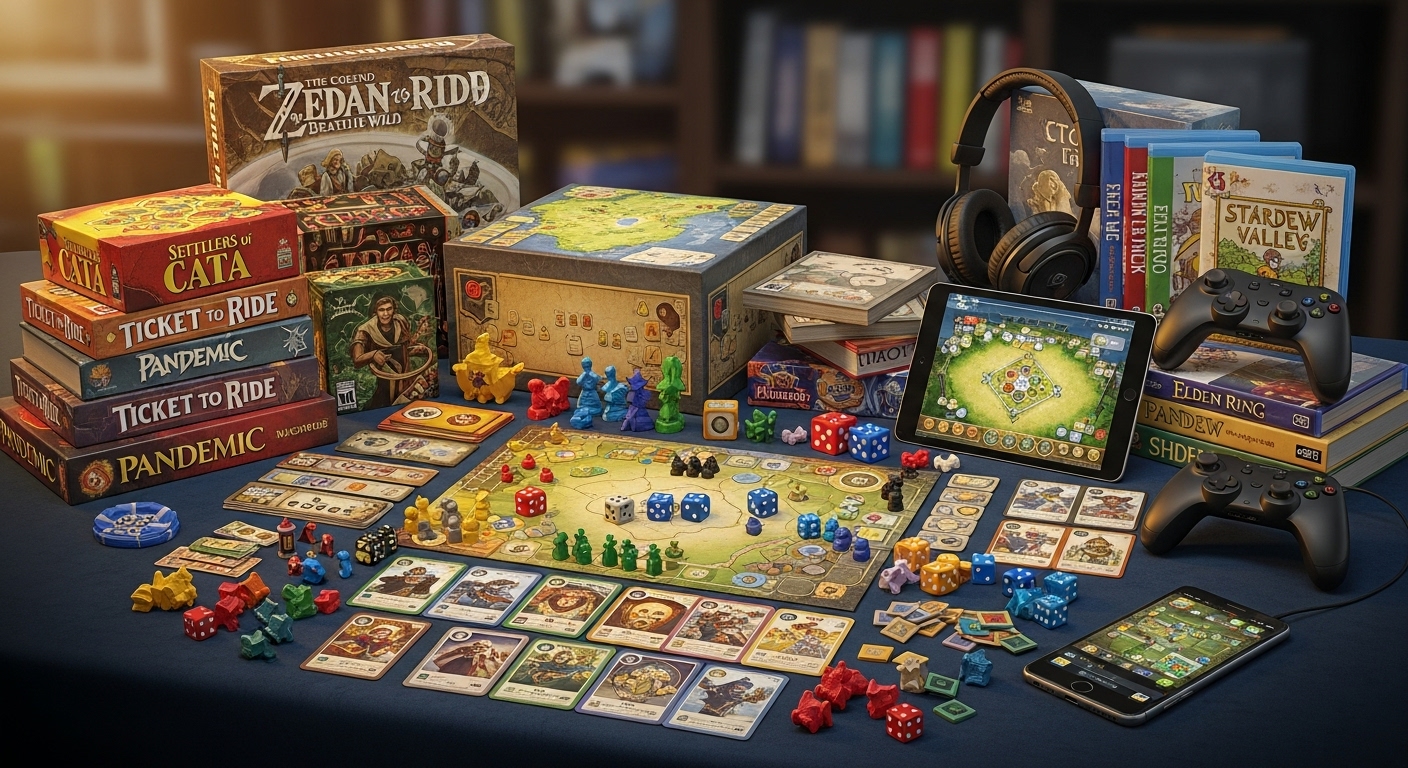
Games have been a cornerstone of human culture for centuries, from the ancient pastime of Senet in Egypt to the modern-day phenomena of Fortnite and virtual reality (VR) experiences. They are not just a source of entertainment but also a means of connection, competition, education, and personal growth. As technology continues to advance, the gaming landscape has evolved, giving rise to new genres, immersive environments, and even social communities that transcend traditional boundaries.
In this blog post, we will take an in-depth look at the world of games, examining their history, their development, and what the future may hold for this dynamic and ever-evolving form of entertainment.
The Origins of Gaming: Ancient Beginnings
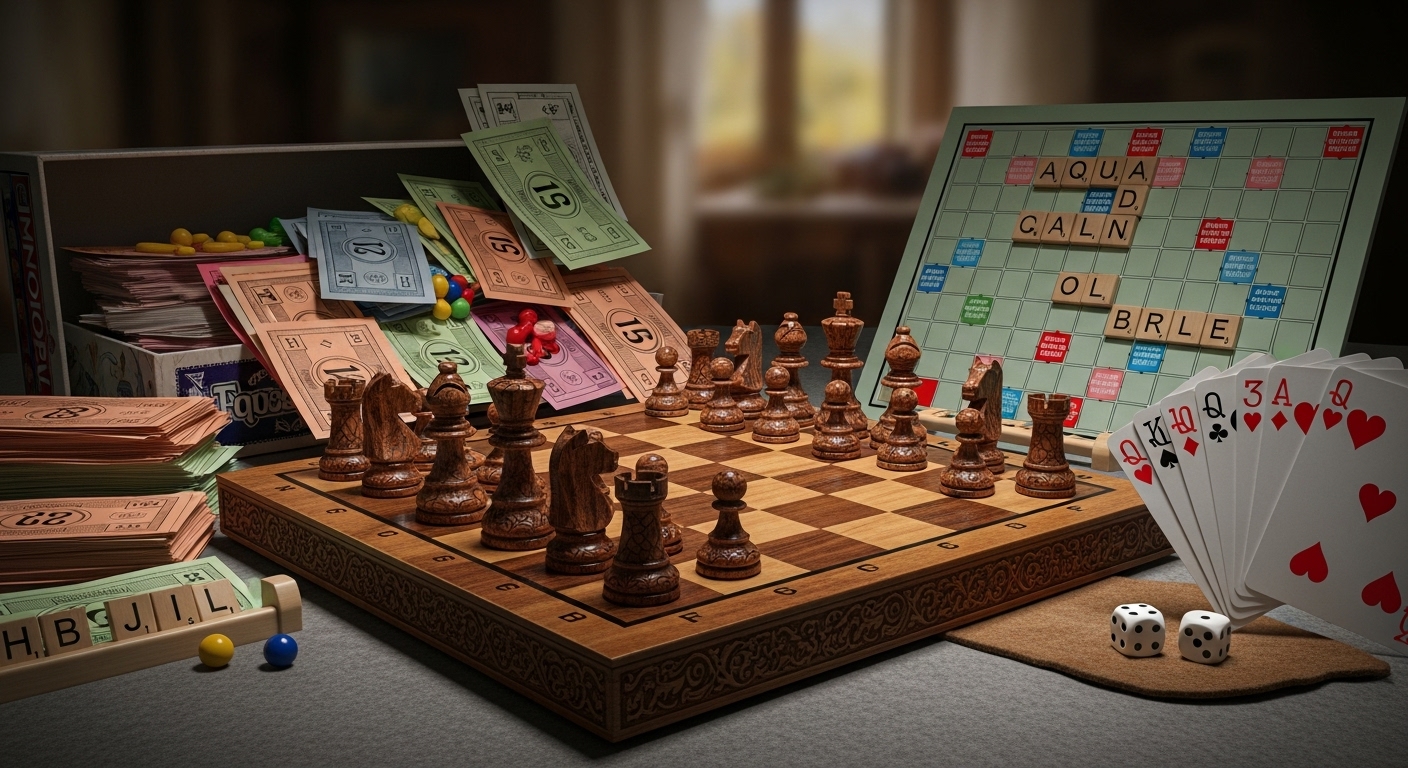
The history of games can be traced back thousands of years, where they served both as recreational activities and tools for learning strategy, critical thinking, and social interaction. The ancient Egyptians played Senet, a board game that’s believed to represent the journey of the soul through the afterlife. Similarly, the game of Go, originating in China over 2,500 years ago, became a beloved pastime that is still played today and involves deep strategy and abstract thinking.
While these early games may seem simple by today’s standards, they laid the foundation for the complex, multifaceted games we enjoy now. Chess, another ancient game with roots in India, offers insight into the development of games that not only entertain but also challenge the mind, honing cognitive skills such as planning, foresight, and tactics.
In addition to board games, physical games such as ball games, dice, and other recreational activities began to emerge in various cultures. These games were a reflection of the societies they came from and often had ritualistic or competitive purposes. The earliest games offered much more than diversion—they were integral to the cultures in which they developed, often symbolizing warfare, teamwork, or the divine.
The Rise of Video Games: The 20th Century Revolution
As technology advanced in the 20th century, the gaming industry experienced an explosive transformation. The invention of the computer, along with the development of interactive video graphics, opened new doors for gaming that were previously unimagined. In the 1950s, simple computer games like Tic-Tac-Toe and the groundbreaking “Spacewar!” on the PDP-1 paved the way for an entirely new form of entertainment.
By the 1970s, arcade games like Pong, developed by Atari, captured the public’s imagination and marked the beginning of the video game revolution. This simple two-dimensional game of tennis-style gameplay sparked the birth of a multi-billion-dollar industry. The following decade saw a proliferation of iconic arcade games like Pac-Man and Donkey Kong, which brought gaming into the mainstream, captivating players of all ages.
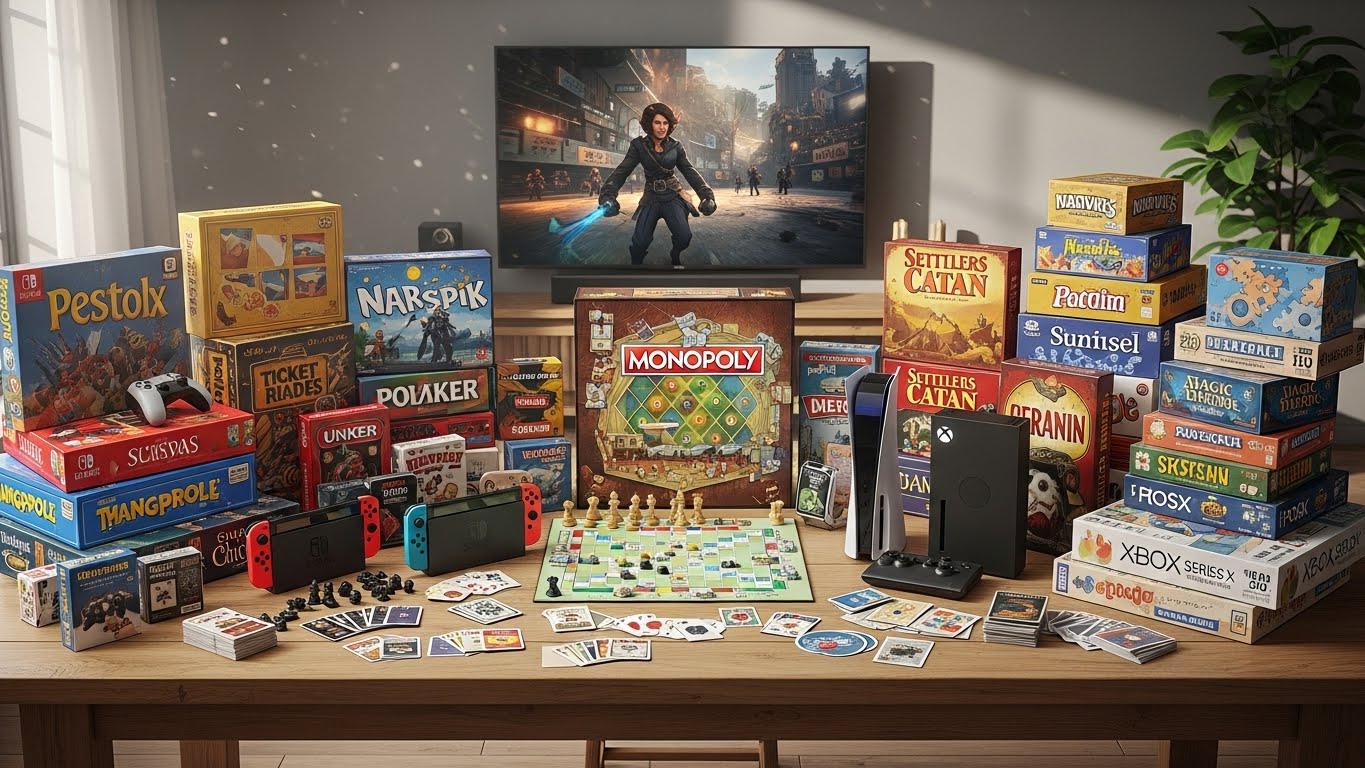
The 1980s and 1990s saw the rise of home gaming consoles, such as the Nintendo Entertainment System (NES), Sega Genesis, and the first PlayStation. These consoles brought sophisticated gameplay, graphics, and storylines to living rooms, making games more accessible to the masses and paving the way for future innovations in game development. The success of franchises like Super Mario, The Legend of Zelda, and Final Fantasy solidified gaming as a major form of entertainment, transforming it from a niche hobby to a global cultural phenomenon.
The Birth of Online Multiplayer Games: Connecting Players Globally
With the increasing availability of the internet in the late 1990s and early 2000s, online multiplayer games became a dominant force in the gaming industry. The introduction of broadband internet access allowed players to connect with others around the world, giving rise to a new era of collaborative and competitive gaming.
One of the most influential online games of this period was World of Warcraft, an MMORPG (Massively Multiplayer Online Role-Playing Game) that allowed millions of players to interact within a vast virtual world. Warcraft and other online games such as EverQuest and Diablo II helped establish the concept of persistent virtual worlds where players could form alliances, compete in quests, and develop characters over time.
Simultaneously, competitive online gaming or eSports began to rise in prominence. Games like Counter-Strike, League of Legends, and Dota 2 attracted dedicated players who competed for fame, money, and recognition on a global scale. eSports leagues, tournaments, and streaming platforms like Twitch have turned competitive gaming into a spectator sport, attracting millions of viewers worldwide and generating lucrative sponsorships and prize pools.
The concept of “social gaming” also emerged, as games like FarmVille on Facebook allowed people to interact with friends in new and novel ways. These games connected players in non-competitive environments, creating a new form of social interaction that blended entertainment with community-building.
The Evolution of Game Design: More Than Just Play
As games became more sophisticated, the focus of development shifted. What began as simple gameplay has evolved into a powerful medium for storytelling, art, and education. Today, video games can tackle complex themes, explore emotional depth, and even challenge societal norms. The narrative depth of games like The Last of Us, Red Dead Redemption, and Bioshock Infinite shows that games are not just about winning or losing—they can be powerful storytelling devices capable of evoking deep emotions in players.
The art of game design has also come to the forefront, with game developers pushing the boundaries of visual aesthetics. From the pixelated charm of Minecraft to the photorealistic visuals of The Witcher 3, the way games look and feel has become as important as how they play. The sound design in games is equally as important, with dynamic soundtracks and immersive audio design enhancing the emotional impact of the game experience.
Moreover, game developers now use games as a platform for exploring complex social issues. Titles like Papers, Please, a game about the morality of border control, or This War of Mine, which deals with the human experience of war from the perspective of civilians, show that games can be used to reflect on society and provoke critical thought.
Games have also become a medium for education. SimCity and Civilization are examples of games that not only entertain but also educate players about complex systems like city-building, governance, and economics. More recently, games like Duolingo and Kahoot! have brought the power of gamification to learning, engaging students in new and fun ways while teaching everything from foreign languages to math skills.
The Future of Gaming: Virtual Reality and Beyond
Looking to the future, the gaming industry is on the brink of another revolutionary shift with the development of virtual reality (VR) and augmented reality (AR). These technologies promise to take gaming into entirely new dimensions, immersing players in fully realized digital worlds where interaction feels as natural as in the physical world.
VR gaming allows players to put on headsets and fully immerse themselves in 3D environments, creating a sense of presence that traditional gaming setups simply cannot match. Games like Half-Life: Alyx and Beat Saber have already demonstrated the potential of VR, offering novel, physically engaging experiences that blur the lines between the virtual and real worlds.
Augmented reality (AR), as popularized by Pokémon Go, brings the virtual into the real world by overlaying digital objects onto a player’s view of their physical surroundings. This type of gaming fosters exploration, physical activity, and interaction with the environment, offering a new way to engage with games that goes beyond the screen.
Beyond VR and AR, artificial intelligence (AI) is likely to play a significant role in the future of gaming. AI-driven NPCs (non-player characters) can create dynamic and adaptive worlds that respond intelligently to players’ actions. This will lead to more immersive and personalized gaming experiences. Additionally, AI could streamline the development process, enabling games to evolve in real-time and offering infinite possibilities for how players interact with the game world.
Cloud gaming is another innovation poised to change the landscape of gaming. Services like Google Stadia, Nvidia GeForce Now, and Xbox Cloud Gaming allow players to stream games from powerful servers, removing the need for high-end hardware. This democratizes gaming, enabling more players around the world to access top-tier games regardless of their device’s capabilities.
Conclusion: The Infinite Potential of Games
The world of games has come a long way from ancient board games to cutting-edge virtual experiences. As technology continues to evolve, so too does the way we interact with and experience games. Today’s games are not just about entertainment—they are complex, immersive worlds that reflect culture, challenge the mind, and bring people together. They provide a unique form of storytelling and interaction that no other medium can offer.
The future of gaming is brighter than ever, with advancements in VR, AR, AI, and cloud gaming promising to push the boundaries of what’s possible. Whether you are a casual gamer or a competitive esports enthusiast, there has never been a better time to be a part of the ever-expanding world of games. As the lines between reality and virtual spaces continue to blur, one thing is certain: games are here to stay, and their influence will only continue to grow.