Introduction to the Universal Language of Play
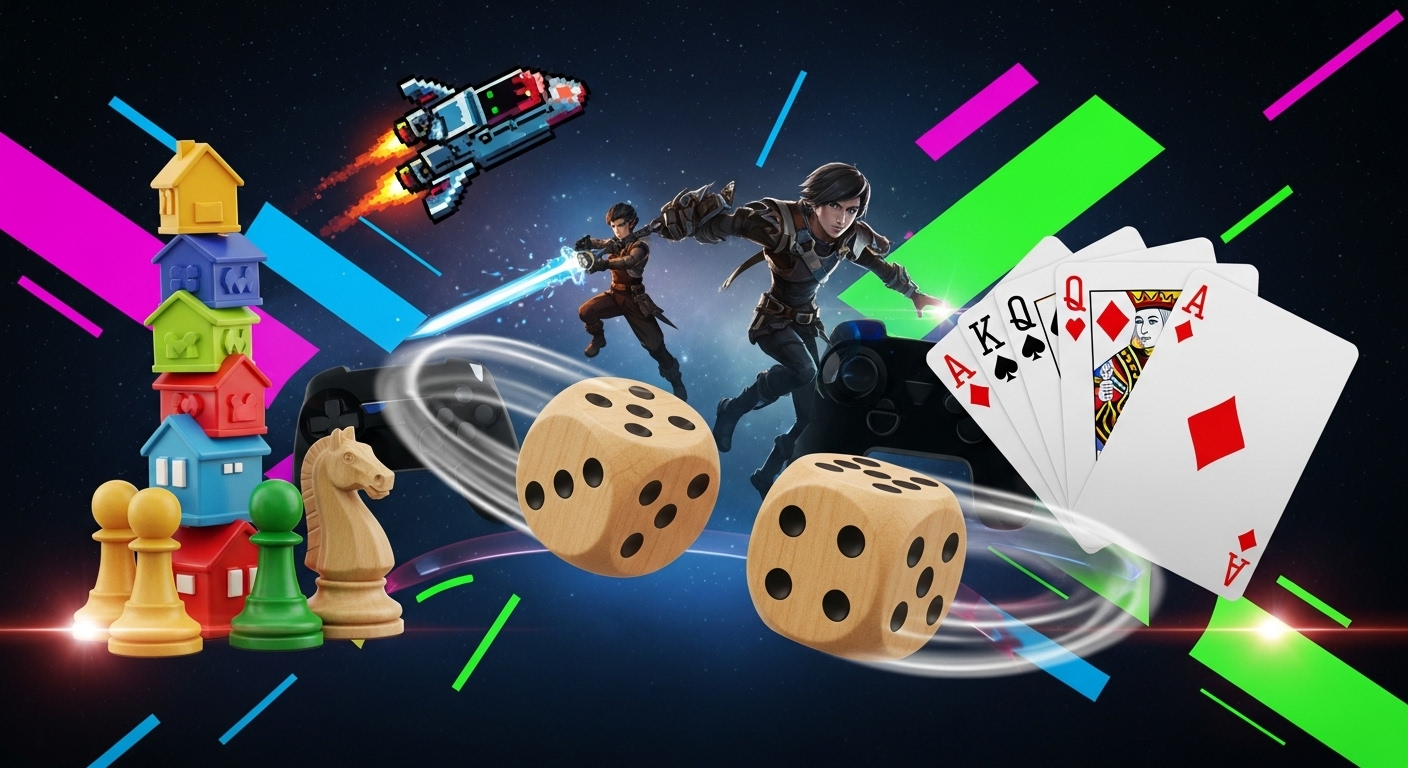
Games have been part of human culture since the beginning of civilization. They are more than entertainment; they are a reflection of human creativity, strategy, and imagination. Whether digital or traditional, games bring people together, spark emotions, and challenge the mind. In today’s world, the gaming landscape is broader and more dynamic than ever before, spanning consoles, mobile devices, computers, and casual tabletop experiences. This blog explores the evolution of games, their impact on society, the creativity behind game development, and the future of gaming as an influential global phenomenon.
The Historical Roots of Gaming
Gaming is not a modern invention. Ancient civilizations played strategic board games, athletic contests, and abstract thinking challenges. Games like early variants of chess, small stone-based puzzles, and physical competitions laid the foundation for modern entertainment. These early games were not just pastimes; they served as tools for education, strategy training, and social bonding.
As time progressed, the diversity of games increased. Board games evolved into more complex forms, card games introduced elements of randomness and skill, and physical games shaped athletic traditions. These ancient influences continue to inspire the structure and philosophy of modern gaming, reminding us that games have always been part of human identity.
The Revolution of Digital Gaming
The rise of digital technology transformed gaming in ways no one could have predicted. The introduction of early home consoles and personal computers opened the door to limitless creativity. Simple pixels evolved into fully immersive interactive worlds. Developers began experimenting with fantasy adventures, puzzle challenges, and multiplayer experiences.
Digital gaming allowed players to explore new environments beyond real-world limitations. They could journey through galaxies, fight dragons, solve mysteries, or manage entire civilizations. Each new generation of technology made games more visually stunning, more mechanically complex, and more emotionally engaging. This shift turned gaming into a dominant form of global entertainment.
The Appeal of Games in Modern Society
Today’s games attract players across all ages, backgrounds, and regions. One key reason for this widespread appeal is accessibility. Mobile devices allow anyone to enjoy games on the go, offering entertainment during travel, breaks, or downtime. Consoles provide high-quality gaming experiences from the comfort of home. Computers offer deep, complex titles that challenge players intellectually and creatively.
Games provide a sense of escape, allowing players to temporarily step away from daily stresses and immerse themselves in different worlds. They also offer achievement and progression, giving players rewarding goals to pursue. Many games encourage social interaction through multiplayer features, fostering friendships and communities that extend beyond the screen.
The Power of Storytelling in Games
One of the most transformative aspects of modern gaming is the rise of narrative-driven experiences. Storytelling in games has reached the level of novels and films, with complex characters, emotional arcs, and immersive world-building. Players are not passive observers; they actively shape the story through their choices and actions.
This interactivity creates a unique emotional bond between players and the game’s world. A powerful story can leave a lasting impact, making games both a personal and memorable form of entertainment. The ability to explore stories at one’s own pace and influence their outcomes sets games apart as a creative medium.
Creativity and Innovation in Game Development
Behind every great game is a team of creators who blend artistry, technology, and storytelling. Game development is a highly collaborative process involving designers, writers, programmers, artists, composers, testers, and producers. Each discipline plays a vital role in shaping the final product.
Developers push boundaries by experimenting with unique mechanics, artistic styles, and themes. Some games emphasize exploration and creativity, others focus on strategy and decision-making, and many blend genres to create entirely new experiences. Innovation drives the industry forward, ensuring that games continue to evolve and surprise players.
The Rise of Multiplayer and Social Gaming
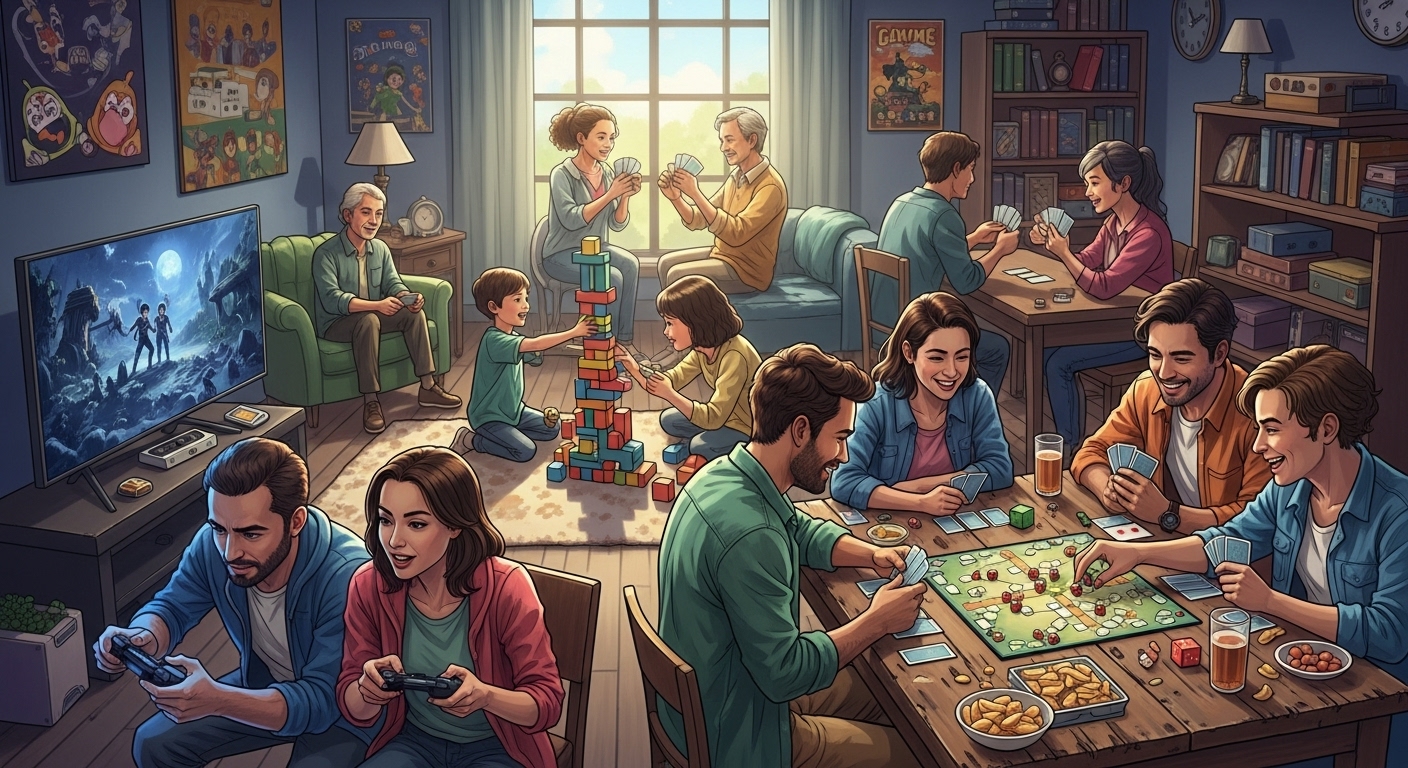
One of the biggest shifts in modern gaming is the transition from single-player experiences to shared worlds. Multiplayer games allow friends, families, and strangers to play together regardless of distance. Cooperative challenges promote teamwork, while competitive modes test skills and strategy.
Online communities have formed around popular games, creating cultures filled with shared experiences, discussions, fan art, and memorable moments. Social gaming platforms make it easy for players to chat, team up, or compete in real time. These social connections help gaming feel more like a global community than an individual activity.
Mobile Gaming as a Global Trend
Mobile gaming is one of the largest and fastest-growing areas in the gaming industry. The convenience of mobile devices means that games have become part of everyday life. People play during commutes, breaks, and moments of relaxation. Mobile games vary from simple puzzle titles to large multiplayer adventures that rival console games in complexity.
Mobile gaming introduces millions of new players each year. Its accessibility ensures that gaming is not limited to specific groups; instead, it reaches nearly everyone. This inclusivity has made mobile gaming a cultural phenomenon that continues to reshape the industry.
Educational and Cognitive Benefits of Games
Games are often viewed as entertainment, but they also offer educational and cognitive benefits. Strategy games improve decision-making and planning abilities. Puzzle games boost problem-solving skills and attention to detail. Simulation games teach resource management, creativity, and real-world concepts.
Many educational institutions use games as learning tools because they make complex topics more engaging. Games promote patience, resilience, and critical thinking. They also encourage teamwork, communication, and collaboration in multiplayer settings. When used responsibly, gaming can be both fun and intellectually enriching.
The Importance of Game Accessibility and Inclusivity
As gaming grows, accessibility has become a crucial topic. Developers work to ensure that games can be enjoyed by players with diverse abilities. Features such as customizable controls, adjustable difficulty levels, subtitles, and color-blind modes help make games inclusive for everyone.
Inclusivity extends beyond accessibility. Representation within games matters, as players want to see characters and stories that reflect their identities and experiences. A more inclusive gaming environment fosters creativity, empathy, and diversity within the community.
Esports and Competitive Gaming
Competitive gaming, known as esports, has recently grown into a major global industry. Skilled players train for hours each day to compete in organized tournaments. Esports events attract millions of viewers, and top players achieve celebrity status.
Esports combines strategy, coordination, teamwork, and quick reflexes. It has created new career opportunities, including coaching, commentary, content creation, and event production. Competitive gaming has elevated games to the level of recognized sports, further demonstrating the cultural impact of the industry.
Game Communities and Fan Culture
Gaming communities are among the most passionate and creative groups in digital entertainment. Fans create artwork, stories, videos, and discussions inspired by their favorite games. Many gamers form lasting friendships with people they meet online.
Community-driven platforms encourage collaboration and expression, allowing players to share experiences and celebrate milestones. These communities help keep games alive long after release, contributing to their popularity and long-term success.
The Future of Games and Emerging Technologies
The future of gaming is shaping up to be more immersive and interactive than ever. Technological advancements such as virtual reality, augmented reality, and artificial intelligence are already influencing game design. These technologies will create new experiences that blend physical and digital worlds.
Cloud gaming may remove hardware limitations, allowing players to access high-quality games on any device. Improved graphics, more responsive controls, and smarter game systems will continue to elevate the gaming experience.
As technology evolves, the gaming industry will expand into new genres, new storytelling possibilities, and new ways for players to interact with virtual worlds.
Conclusion: The Endless Potential of Games
Games are more than a pastime; they are a universal form of expression, creativity, and connection. From ancient board games to cutting-edge virtual realities, gaming has evolved into a multifaceted cultural force that continues to shape the world. It entertains, educates, inspires, and unites people across the globe.
The future of gaming is limitless. As innovation continues, games will grow even more immersive, inclusive, and influential. Whether played casually or competitively, alone or with others, games will always hold a special place in human life as a powerful and timeless form of play.