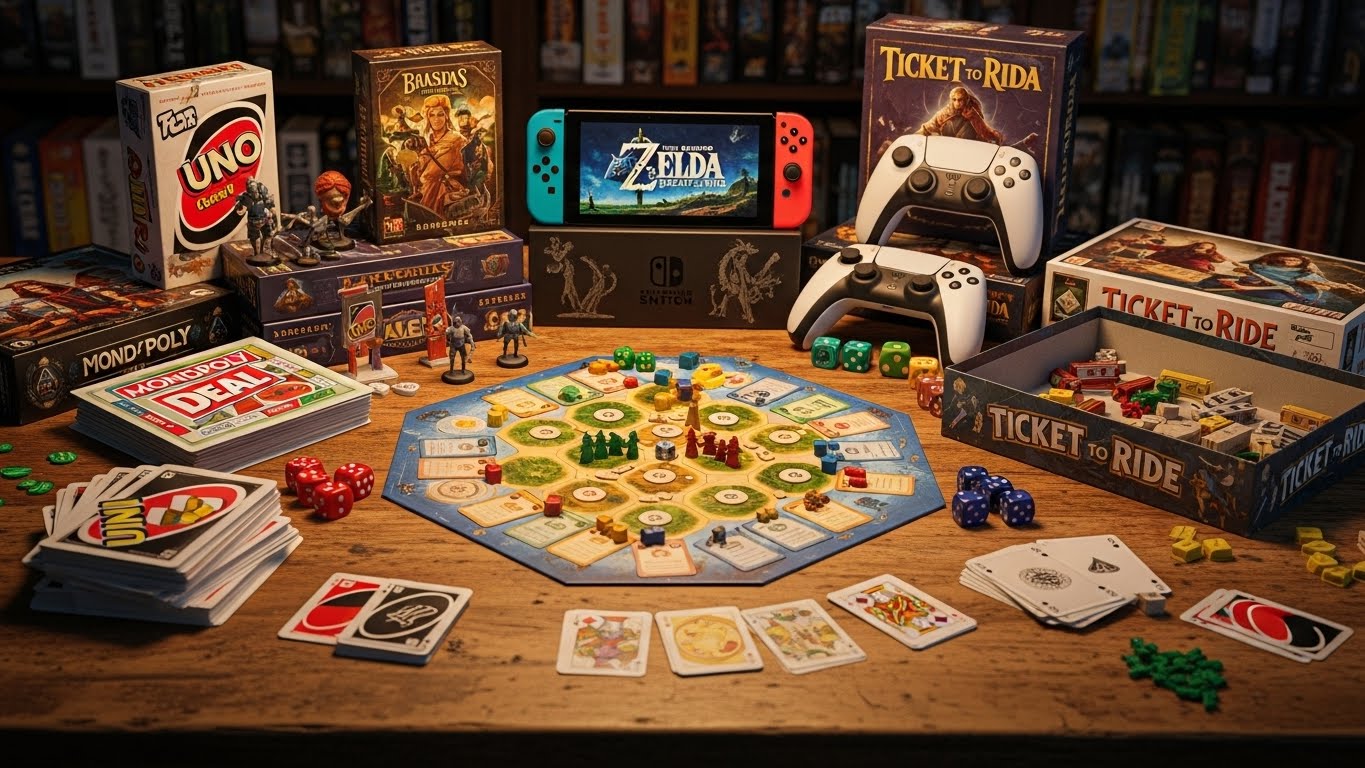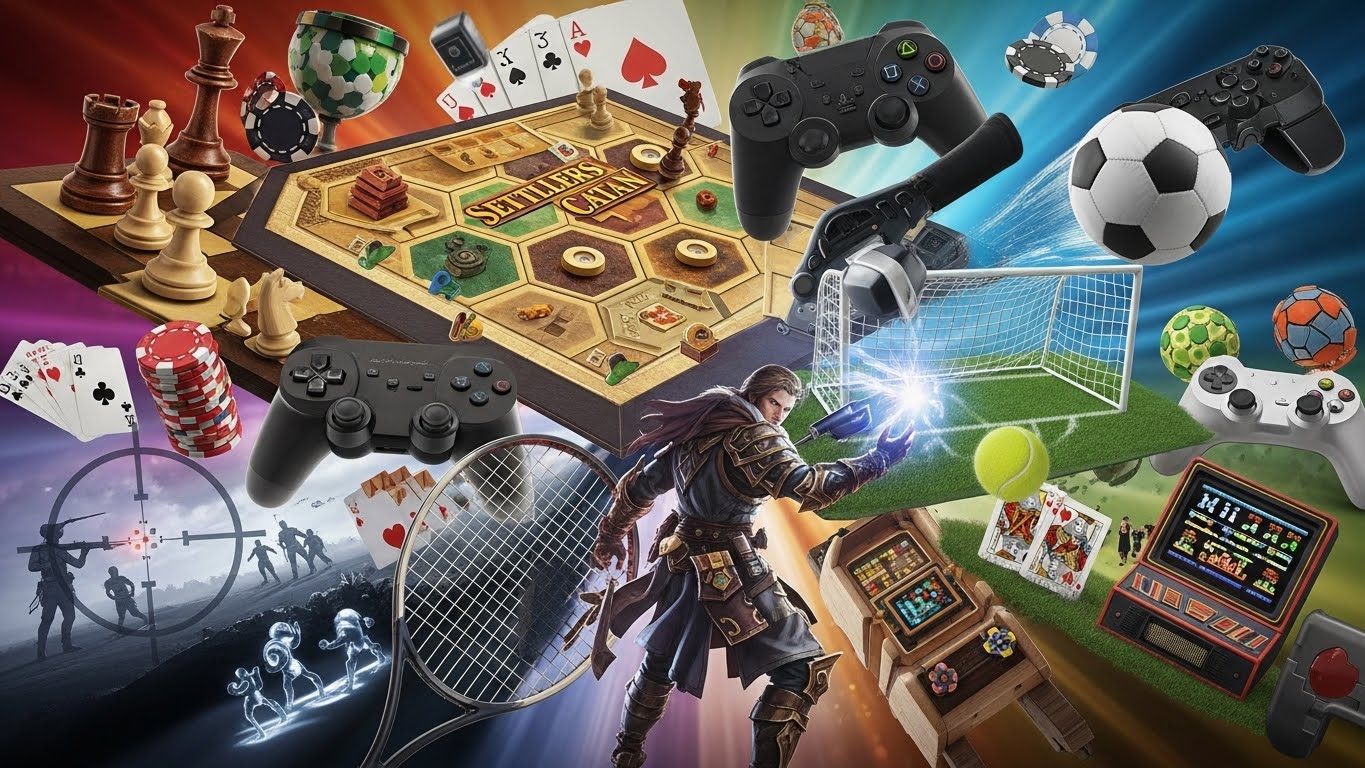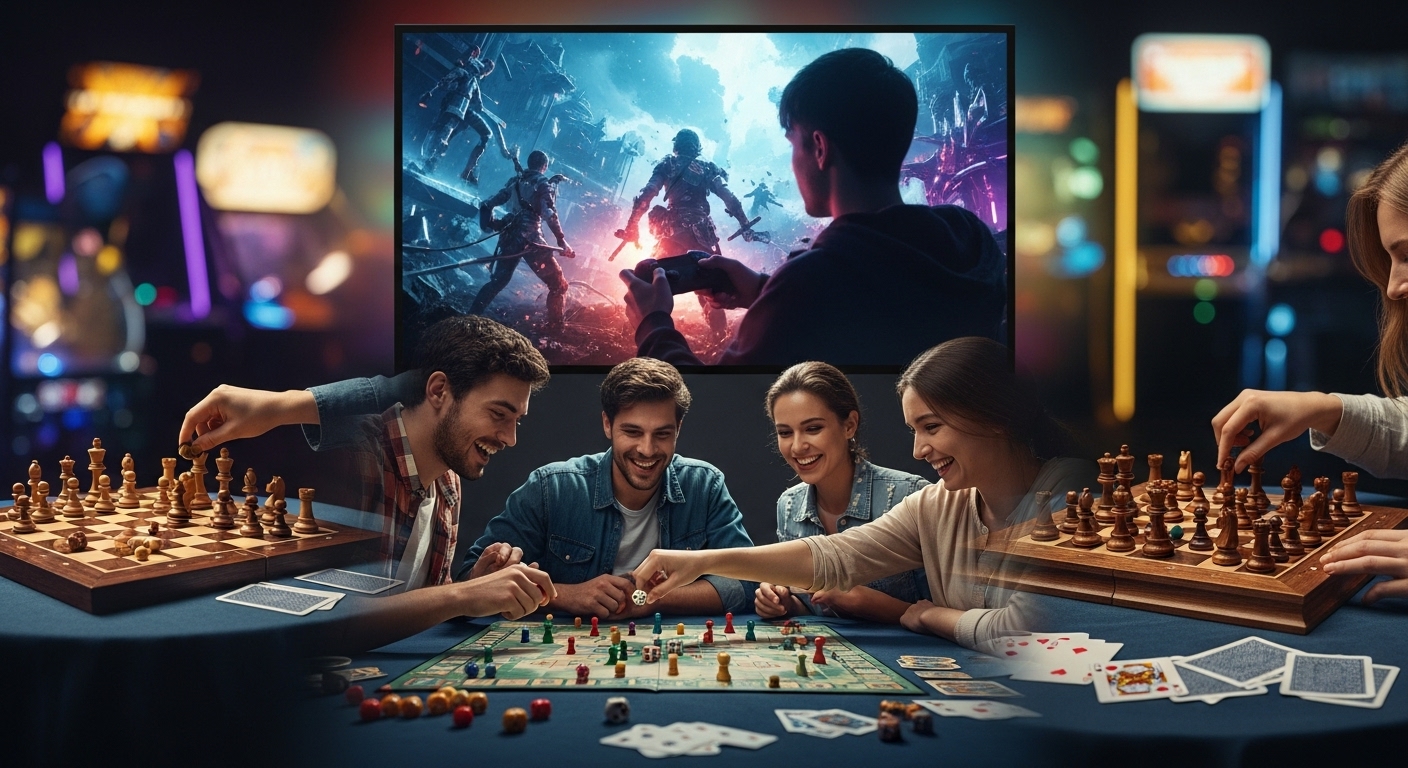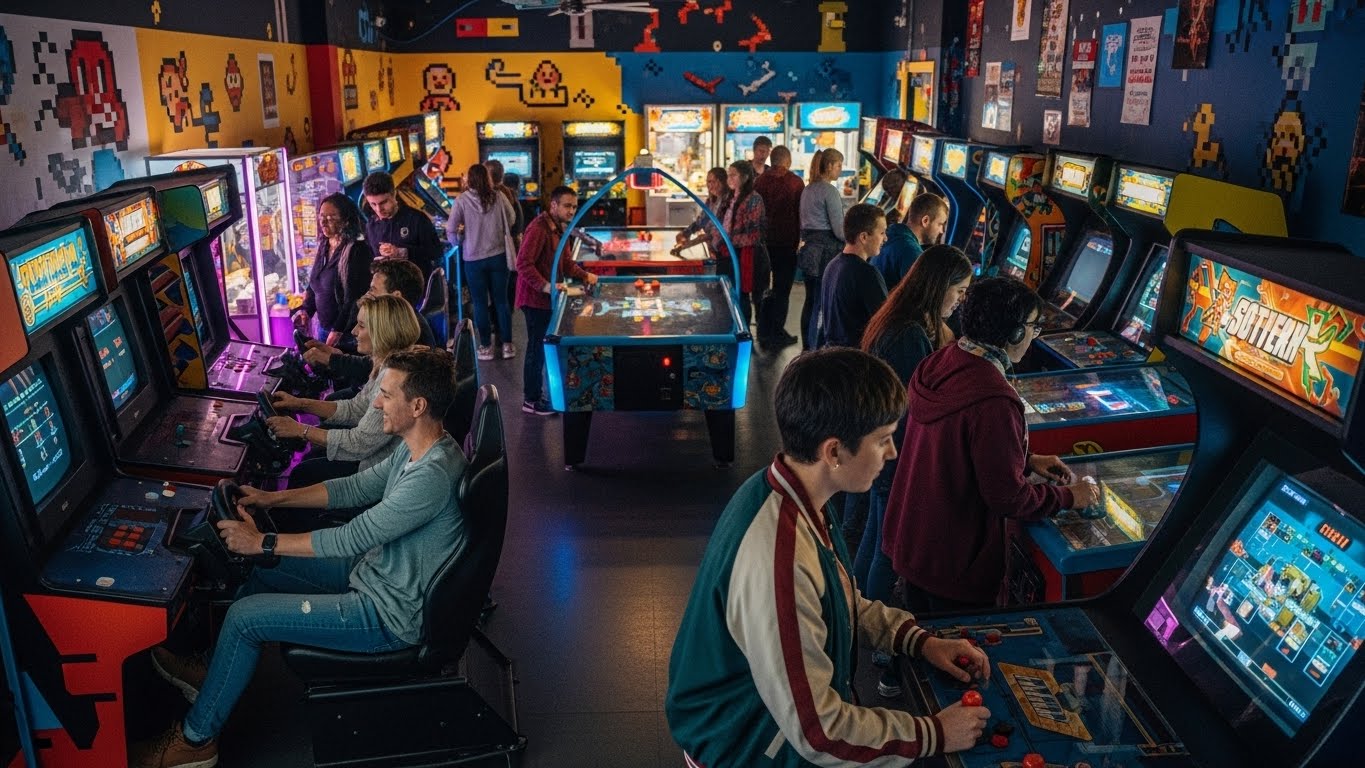
Games have been an integral part of human culture for centuries, offering both entertainment and mental stimulation. From ancient board games to modern video games, the concept of play has transcended generations, transforming into an art form, a social activity, and even a career. As we explore the world of games, we will uncover how they have evolved over time, the impact they have on society, and what the future holds for this dynamic and ever-growing industry.
The Origin of Games: From Ancient Pastimes to Cultural Pillars
The concept of games can be traced back to ancient civilizations, where they served not only as a form of entertainment but as a means to teach important life skills such as strategy, leadership, and resource management. The earliest evidence of games can be found in ancient Egypt, where games like Senet, a board game, were played as early as 3100 BCE. Other civilizations such as the Greeks and Romans also contributed to the development of games, including chess, which originated in India during the 6th century. These early games were typically social activities, enjoyed by the elite classes, and were often linked to philosophical and intellectual pursuits.
In addition to their recreational value, games in ancient times were also used for religious purposes, representing the complexities of life, death, and the gods. The Mayans, for example, played a ball game known as Pok-ta-Pok, which held deep symbolic meaning, and its outcome was believed to reflect the will of the gods. Games also provided a means of socialization, promoting cooperation and competition within communities. These cultural practices set the foundation for the development of games into the multifaceted entertainment medium we recognize today.
The Rise of Modern Games: Board Games and Sports
As societies progressed, so too did the complexity and variety of games. The development of modern board games and sports played a significant role in shaping the way we understand and interact with games. In the 19th century, chess evolved into a competitive sport, with formalized rules and tournaments, while games like Monopoly and Scrabble emerged as forms of family entertainment in the early 20th century.
The rise of professional sports leagues such as football, basketball, and baseball marked the beginning of a new era for competitive gaming. These sports offered not only the thrill of competition but also a way for individuals to connect through shared interests, creating a sense of community and belonging. The formation of organized leagues and tournaments provided a platform for players to showcase their talents, and these sports became an essential part of modern culture, influencing everything from politics to advertising.
Sports, both professional and recreational, continue to be a significant part of global entertainment. The physical activity, teamwork, and camaraderie involved in traditional games have continued to resonate with millions of people worldwide, fostering unity and competition across cultural boundaries.
The Digital Revolution: Video Games Take Center Stage
The 1970s and 1980s marked the beginning of the video game revolution, forever changing the landscape of gaming. Early video games such as Pong, Space Invaders, and Pac-Man provided a new form of entertainment, appealing to both casual and dedicated players. These games were the first to combine visuals, sound, and interactive elements in a way that had never been seen before.
The development of home consoles like the Atari 2600 and Nintendo Entertainment System (NES) gave players the ability to play games in their homes, introducing a new level of accessibility. This era also witnessed the birth of iconic franchises such as Super Mario Bros., The Legend of Zelda, and Final Fantasy, which laid the foundation for the long-lasting success of video games.
In the 1990s, the introduction of 3D graphics revolutionized the gaming experience, bringing a level of realism to games that was previously unimaginable. Consoles like the PlayStation and Nintendo 64 offered players immersive, three-dimensional worlds in which they could explore, battle, and interact. Games like The Legend of Zelda: Ocarina of Time, Final Fantasy VII, and Gran Turismo pushed the boundaries of storytelling and gameplay, cementing video games as a cultural phenomenon.
The late 1990s and early 2000s saw the rise of online multiplayer games, with titles like World of Warcraft and Counter-Strike ushering in a new era of connectivity. Players could now interact with others from around the world in real-time, leading to the rise of esports and online gaming communities. This period also marked the expansion of game genres, including first-person shooters, real-time strategy games, and massively multiplayer online role-playing games (MMORPGs).
The Rise of Esports: Competitive Gaming Becomes a Profession
The explosion of esports in the 2010s marked a new chapter in the world of gaming. Once seen as a hobby or casual pastime, competitive gaming has become a global industry, with professional players, teams, and tournaments offering substantial cash prizes. Games like League of Legends, Dota 2, Fortnite, and Counter-Strike: Global Offensive have transformed gaming into a spectator sport, drawing millions of viewers and creating opportunities for players to earn a living from their skills.
Esports has not only led to the professionalization of gaming but has also created a vibrant culture of fandom. Major esports tournaments like The International and the League of Legends World Championship are broadcast live to audiences worldwide, often drawing as many viewers as traditional sports events. The development of platforms like Twitch has also allowed players to stream their gameplay, further fueling the growth of the esports ecosystem.
The rise of esports has had a significant impact on the gaming community. It has provided players with the opportunity to turn their passion for gaming into a career while fostering global connections and creating a sense of community among fans. In addition, esports has become an important social activity for millions of people, encouraging collaboration, competition, and skill development.
Mobile Gaming: Games Go Everywhere
With the widespread adoption of smartphones, mobile gaming has become one of the most popular forms of entertainment in recent years. Games like Angry Birds, Candy Crush Saga, and Clash of Clans have introduced millions of players to gaming on the go, allowing them to enjoy quick and accessible experiences wherever they are. Mobile games have become an integral part of everyday life, offering entertainment for people of all ages and backgrounds.
The success of mobile games has also led to the development of augmented reality (AR) games like Pokémon GO, which blend digital elements with the real world, encouraging players to explore their surroundings while playing. Mobile gaming has not only transformed the way we play but has also opened up new opportunities for game developers, enabling smaller studios to reach a global audience through app stores.
Mobile gaming has also led to a shift in how we view gaming as a whole. While traditional console and PC gaming often require dedicated hardware and lengthy gaming sessions, mobile games have made gaming more casual and accessible. This has contributed to the diversification of the gaming audience, with people who might not have previously identified as gamers now participating in this form of entertainment.
Virtual Reality and the Future of Gaming: Immersion Like Never Before
Looking ahead, the future of gaming appears to be increasingly focused on virtual reality (VR) and augmented reality (AR). These technologies offer players a chance to immerse themselves in digital worlds in ways that were previously unimaginable. VR headsets like the Oculus Rift, HTC Vive, and PlayStation VR have brought immersive experiences to gamers, allowing them to interact with virtual environments in a more lifelike manner.
In VR games, players can explore virtual worlds, solve puzzles, and engage in combat—all while physically moving within a 360-degree environment. This level of immersion creates a sense of presence that has the potential to transform gaming, making it feel less like an activity and more like an experience. VR gaming has the potential to revolutionize genres such as simulation, exploration, and storytelling, opening up new possibilities for game developers and players alike.
While VR gaming is still in its early stages, it is already clear that this technology will play a significant role in the future of gaming. As hardware becomes more affordable and the quality of VR experiences improves, it’s likely that more players will embrace this form of gaming.
Games as a Medium for Storytelling and Art
One of the most fascinating aspects of gaming is its ability to tell stories in ways that no other medium can. Video games are unique in that they offer interactive storytelling, where the player’s decisions can affect the narrative and outcomes. Games like The Last of Us, Red Dead Redemption 2, and Bioshock Infinite have raised the bar for storytelling in games, offering emotionally resonant stories that rival the best films and literature.
In addition to storytelling, games are increasingly being recognized as a form of art. The visual design, music, and world-building in many modern games are nothing short of breathtaking. Games like Journey, Hollow Knight, and Shadow of the Colossus have received critical acclaim for their artistic achievements, demonstrating that video games are more than just entertainment—they can be works of art in their own right.
The Social Impact of Games: Connection, Community, and Learning
Beyond their entertainment value, games have a significant social impact. They create communities, allowing people to connect with others from around the world. Whether through online multiplayer games, social platforms like Discord, or fan communities dedicated to specific titles, gaming has become a shared experience that brings people together across cultural and geographical boundaries.
Games also offer a platform for learning and personal development. Puzzle games, strategy games, and educational games help improve critical thinking, problem-solving, and creativity.