Introduction: The Power of Games
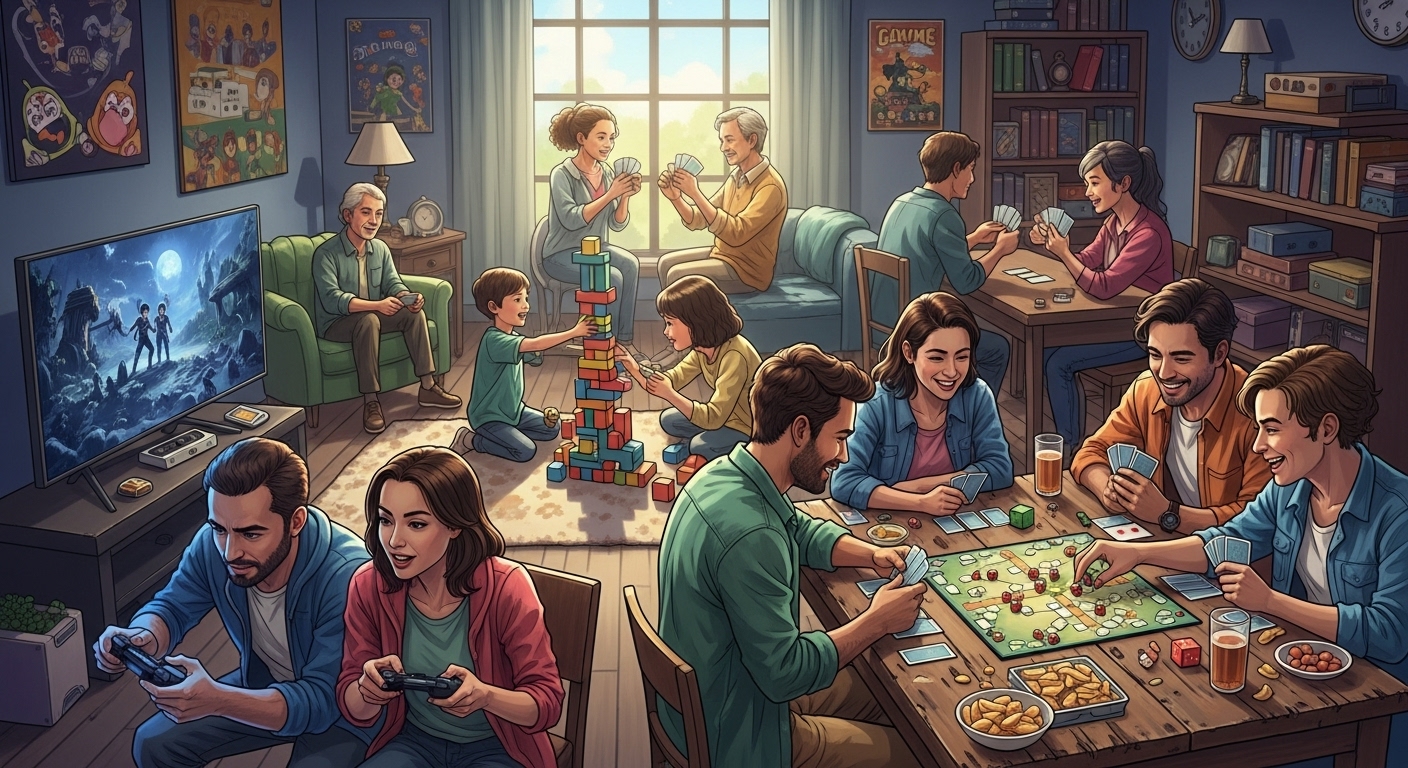
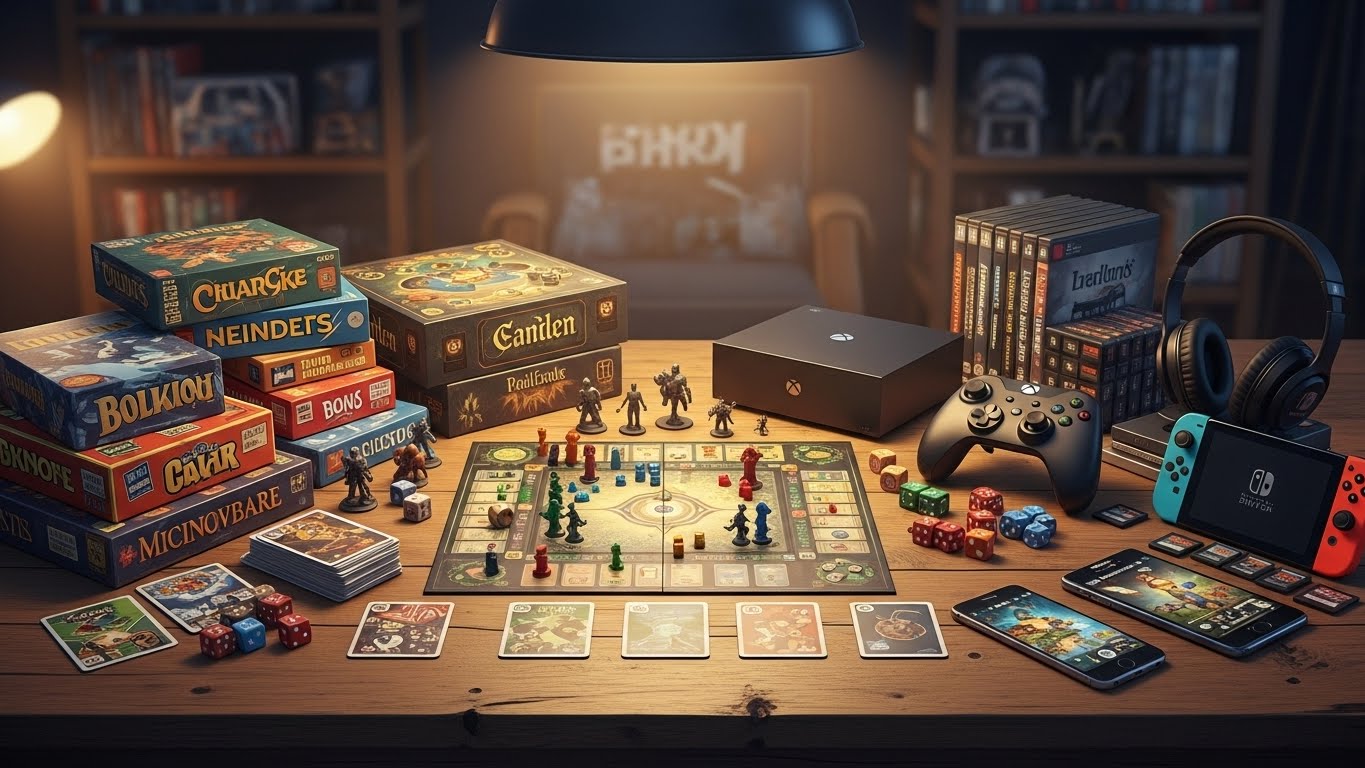
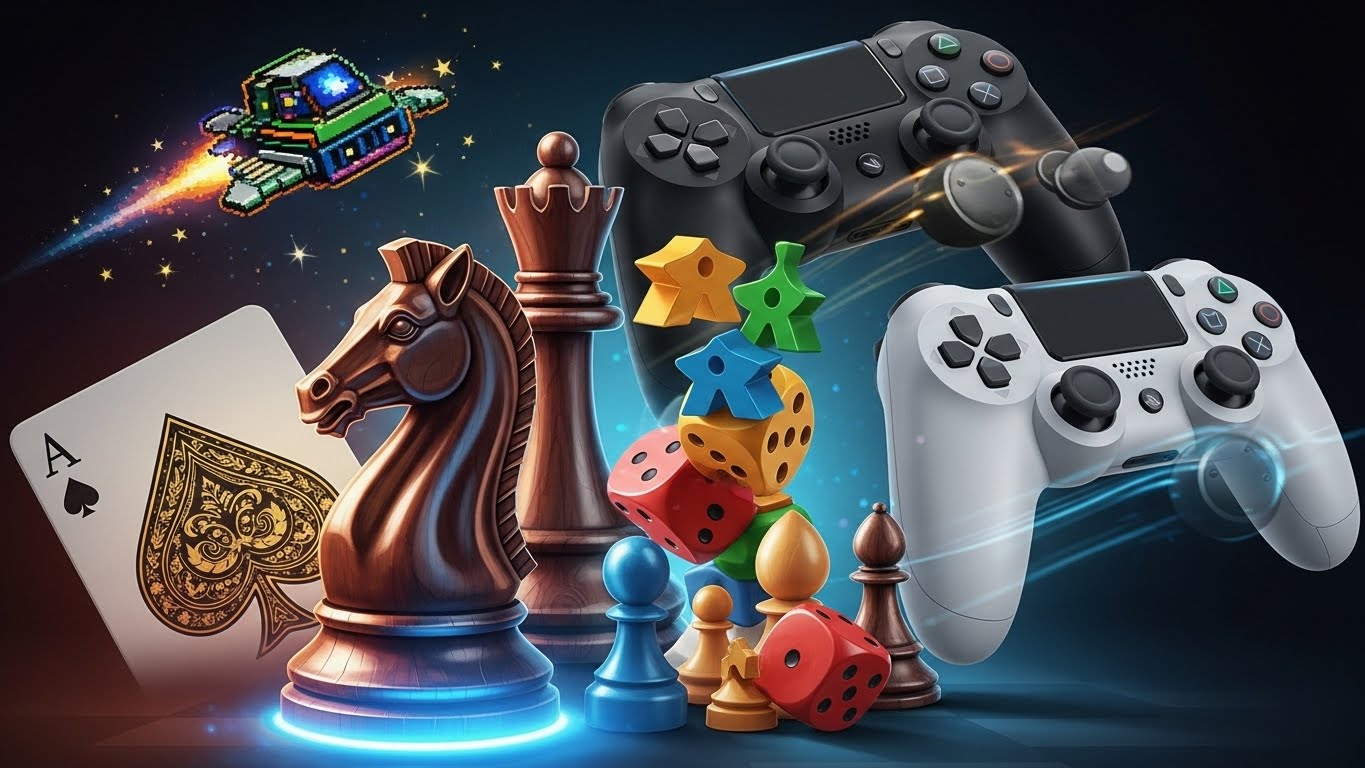
Games are more than mere entertainment; they are a reflection of human creativity, strategy, and social interaction. From board games played around a table to immersive digital experiences, games have been a part of human society for centuries. They entertain, challenge, and bring people together, offering both individual satisfaction and community engagement. Modern gaming has evolved dramatically, blending technology, storytelling, and interactivity to create experiences that rival movies, music, and literature. Understanding the world of games reveals not only how we play but also how games influence culture, technology, and social interaction in profound ways.
The History of Gaming: From Ancient Boards to Modern Consoles
The concept of games can be traced back thousands of years. Early civilizations developed board games, dice, and competitive physical games as forms of entertainment and skill development. Games such as Senet in ancient Egypt, Go in China, and Chess in India illustrate the universal human desire for challenge and strategy. These early games were often more than amusement; they served educational, religious, or social purposes, teaching strategy, patience, and decision-making. As societies evolved, games became increasingly structured and widely popular, eventually transitioning into the digital era with the invention of computers and video consoles.
The Birth of Video Games: A New Frontier
Video games emerged as a groundbreaking form of entertainment in the 1970s. Early titles, such as Pong, introduced players to interactive digital experiences that were simple yet captivating. The 1980s and 1990s saw a rapid evolution with consoles like Nintendo, Sega, and later Sony PlayStation, which offered richer graphics, immersive gameplay, and memorable characters. Video games quickly became a cultural phenomenon, attracting players of all ages and sparking the creation of iconic franchises that remain popular today. The emergence of home consoles brought gaming into living rooms worldwide, transforming it from niche hobby to mainstream entertainment.
The Evolution of Game Genres
Modern games encompass a wide variety of genres, each appealing to different player preferences. Action games challenge reflexes and coordination, while strategy games test planning and problem-solving skills. Role-playing games (RPGs) immerse players in expansive worlds with complex narratives and character development. Simulation games allow players to experience real-world scenarios, from managing cities to flying airplanes. Sports and racing games replicate competitive physical experiences digitally, while puzzle games stimulate cognitive abilities. This diversity ensures that games remain accessible and engaging to people of all ages and interests.
Multiplayer Gaming: Building Communities in Virtual Worlds
One of the most transformative aspects of modern gaming is the rise of multiplayer experiences. Initially, multiplayer games were limited to local play, requiring players to share a console or connect through local networks. The internet revolutionized this by enabling online multiplayer games, allowing players to interact globally in real-time. Games such as massive multiplayer online role-playing games (MMORPGs) and first-person shooters create vast communities where cooperation, competition, and communication are central. Multiplayer gaming not only enhances engagement but also fosters social connections, collaboration, and cultural exchange across borders.
The Psychology of Gaming: Why We Play
Gaming engages fundamental aspects of human psychology. Players are motivated by challenge, reward, and progression. The satisfaction of overcoming obstacles, completing quests, and earning achievements stimulates a sense of accomplishment. Multiplayer games add social motivation, as players seek recognition, status, and cooperation within their communities. Games also offer cognitive benefits, enhancing problem-solving, memory, and strategic thinking. Beyond skill development, gaming provides emotional rewards, allowing players to experience adventure, exploration, and creativity in a controlled and safe environment.
Gaming as Storytelling: Immersion and Narrative
Modern games are powerful storytelling mediums. Beyond gameplay mechanics, narrative-driven games create immersive worlds where players influence the story through their choices. Games like role-playing adventures and interactive fiction allow players to inhabit characters, make decisions, and experience consequences, creating a deeply personal engagement with the narrative. Visual design, music, dialogue, and environmental cues enhance the storytelling, making games a unique blend of literature, cinema, and interactive art. This evolution has elevated games to a legitimate form of creative expression and cultural commentary.
The Technology Behind Gaming
Technological advancements have played a pivotal role in the growth of gaming. Graphics processing, physics engines, artificial intelligence, and network infrastructure have enabled increasingly realistic and complex gaming experiences. High-definition visuals, immersive audio, and motion capture create worlds that feel alive and responsive. Virtual reality (VR) and augmented reality (AR) technologies further blur the line between digital and physical experiences, allowing players to step inside the game environment. The continual evolution of hardware and software ensures that gaming remains at the forefront of entertainment innovation.
Mobile Gaming: Entertainment in the Palm of Your Hand
The rise of smartphones and tablets has transformed gaming into a portable experience. Mobile games are accessible, affordable, and often designed for short, engaging sessions. This accessibility has expanded the gaming audience to include casual players, bridging generational gaps and global communities. Mobile games also innovate in monetization and interactivity, introducing features such as in-app purchases, social sharing, and real-time multiplayer. The convenience and versatility of mobile gaming highlight its role as a dominant force in modern entertainment.
The Competitive World of Esports
Esports has turned gaming into a professional sport with worldwide audiences and lucrative tournaments. Competitive gaming requires exceptional skill, strategy, and teamwork, attracting millions of spectators both online and in live arenas. Esports professionals achieve celebrity status, and the industry includes sponsorships, broadcasting, coaching, and content creation. The growth of esports underscores gaming’s potential beyond casual play, transforming it into a career path, a spectator experience, and a legitimate cultural phenomenon.
Educational and Therapeutic Benefits of Gaming
Games are increasingly recognized for their educational and therapeutic potential. Educational games teach problem-solving, critical thinking, and creativity, often simulating real-world experiences in a safe environment. Simulation games, for example, can teach management, scientific principles, or historical contexts. Therapeutically, games are used to enhance cognitive skills, improve motor function, and provide stress relief. Multiplayer games can also reduce social isolation by connecting individuals with shared interests. These benefits demonstrate that gaming is not just entertainment but also a tool for learning, growth, and wellbeing.
Challenges in the Gaming Industry
While gaming offers numerous benefits, it is not without challenges. Concerns about addiction, excessive screen time, and exposure to inappropriate content are ongoing discussions among parents, educators, and psychologists. Ethical issues such as microtransactions, pay-to-win models, and monetization strategies for younger audiences have sparked debate. The industry also faces challenges regarding inclusivity, workplace culture, and representation within games. Addressing these issues is critical to ensuring gaming remains a safe, equitable, and positive experience for all players.
The Future of Gaming: Endless Possibilities
The future of gaming promises continued innovation and expansion. Cloud gaming and streaming technologies are removing hardware barriers, making high-quality experiences accessible on any device. Artificial intelligence is enabling adaptive narratives, smarter non-player characters, and personalized experiences. Virtual reality, augmented reality, and haptic feedback are enhancing immersion and sensory engagement. Gaming will continue to intersect with other forms of entertainment, such as film, music, and social media, creating hybrid experiences that are increasingly interactive and personalized. As technology evolves, the line between digital and physical worlds will blur, offering unprecedented opportunities for creativity, connection, and exploration.
Conclusion: Games as a Reflection of Human Creativity
Games are more than leisure activities; they are a reflection of human innovation, imagination, and social behavior. From ancient board games to cutting-edge virtual reality experiences, games have evolved alongside humanity, adapting to technology, culture, and societal needs. They entertain, challenge, and inspire, providing experiences that are interactive, immersive, and meaningful. As gaming continues to grow and innovate, it remains a powerful force in shaping how we play, connect, and understand the world. Whether as a pastime, a professional pursuit, or a cultural phenomenon, games are an enduring and transformative part of human life.