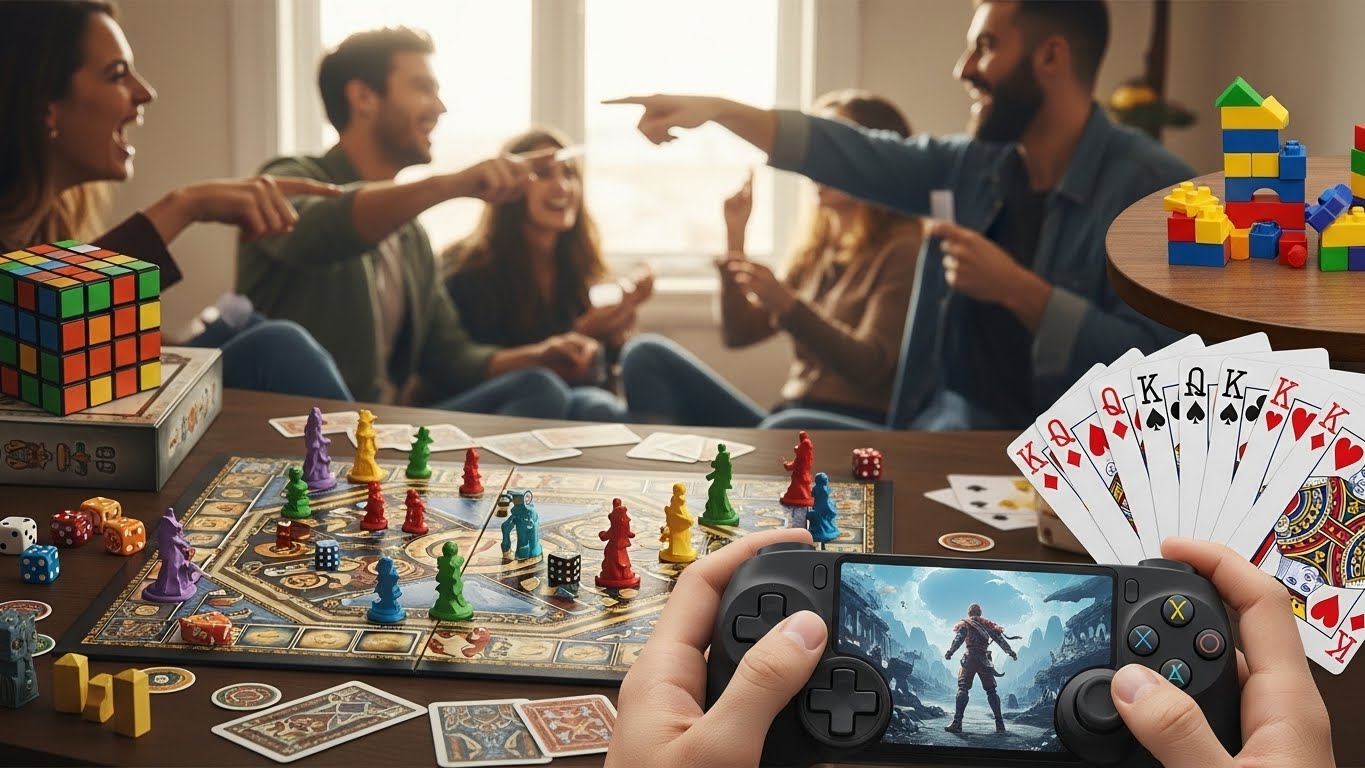
Games have been an integral part of human culture for thousands of years. They are more than mere entertainment; they are a reflection of our creativity, social interaction, and even cognitive abilities. From ancient board games to modern video games, the evolution of games has been remarkable. In this blog, we will explore the different types of games, their impact on society, and why they continue to captivate people across the globe.
The History of Games
The history of games is as old as civilization itself. Ancient cultures developed games not only as a source of amusement but also as tools for education and strategy training. For example, the game of chess originated in India during the 6th century and was designed to teach strategic thinking and planning. Similarly, ancient board games like Senet in Egypt or Go in China were more than just pastimes; they were reflections of societal values and intellectual pursuits.
As societies evolved, so did the complexity of games. Dice games and card games became popular in medieval Europe, providing both entertainment and a way to socialize. These games laid the foundation for the diverse gaming culture we see today.
Different Types of Games
Games can be categorized in various ways, but they generally fall into three main types: board games, physical games, and digital games. Each type offers unique experiences and benefits.
Board Games
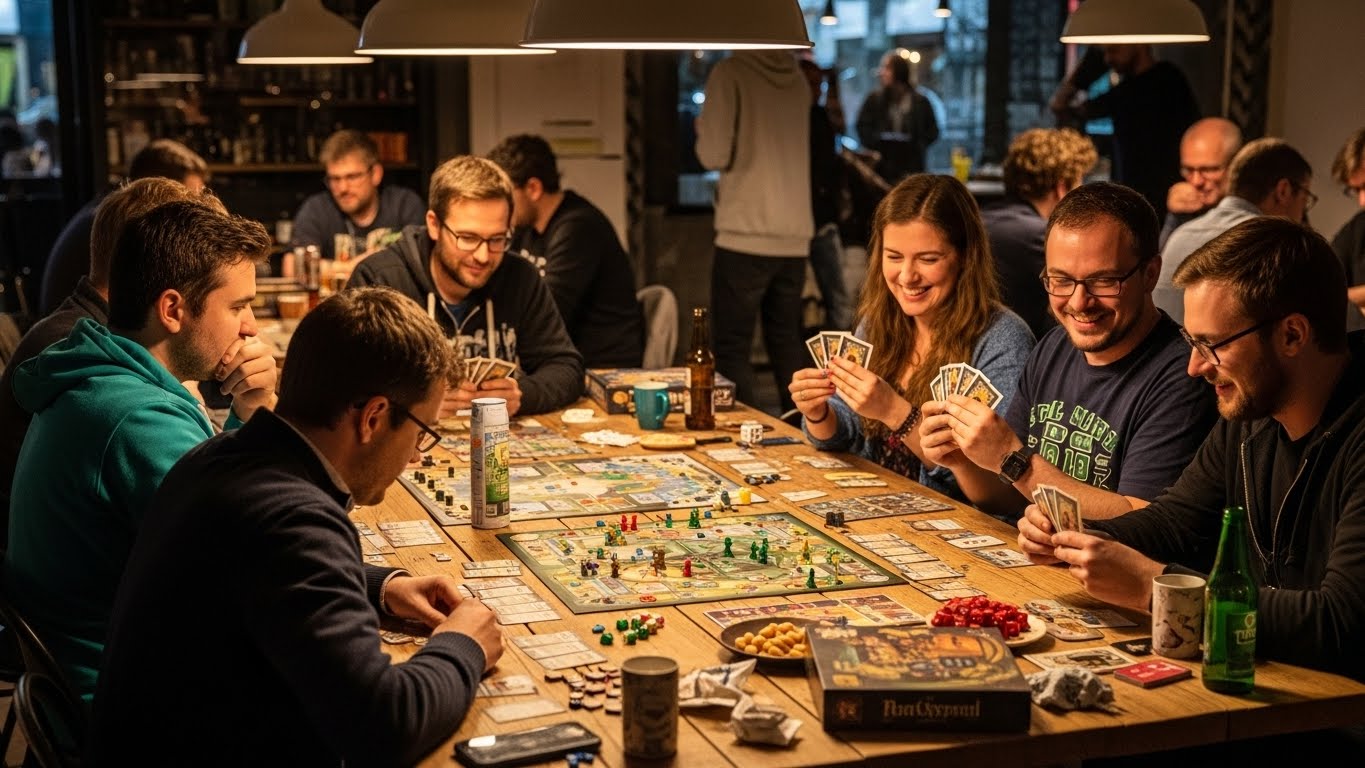
Board games are among the oldest forms of gaming and have seen a resurgence in popularity in recent years. They range from simple games like Ludo to complex strategy games like Settlers of Catan. Board games encourage social interaction, critical thinking, and patience. They are often played in groups, making them a great way to bond with family and friends. The tactile nature of board games, combined with strategic challenges, provides a unique form of engagement that digital games cannot fully replicate.
Physical Games
Physical games, including sports and outdoor activities, focus on physical skill, endurance, and teamwork. Games like football, basketball, and tennis have global appeal, bringing people together across cultures. Physical games offer numerous health benefits, including improved cardiovascular health, coordination, and mental well-being. Moreover, they teach important life skills such as discipline, teamwork, and perseverance.
Digital Games
Digital games have transformed the way we play. From console games to mobile apps, digital gaming has become a multi-billion-dollar industry. These games range from casual puzzles to immersive role-playing experiences. Digital games offer players the opportunity to explore vast virtual worlds, solve complex problems, and connect with others online. They also stimulate cognitive abilities, such as problem-solving, memory, and strategic thinking. The interactive nature of digital games makes them an engaging form of entertainment that appeals to all age groups.
The Impact of Games on Society
Games have a profound impact on society, influencing culture, education, and even technology. They are not merely pastimes; they shape the way people think, communicate, and collaborate.
Cultural Influence
Games often reflect the culture and values of the societies in which they are created. Traditional games like Kabaddi in India or Mancala in Africa carry cultural significance and historical context. Modern games also influence culture, with popular franchises inspiring movies, merchandise, and fan communities. Games have become a medium for storytelling, artistic expression, and cultural exchange.
Educational Value
Many games have educational value, helping players develop various skills. Strategy games like chess enhance critical thinking and planning abilities, while puzzle games improve problem-solving and logical reasoning. Educational games are increasingly used in classrooms to make learning interactive and fun. By combining entertainment with learning, games encourage cognitive development in ways that traditional methods may not achieve.
Technological Advancements
The gaming industry drives technological innovation. From graphics and artificial intelligence to virtual reality and cloud computing, games push the boundaries of technology. Innovations in gaming technology often have applications beyond entertainment, influencing fields such as healthcare, education, and military training. The continuous evolution of gaming technology reflects the dynamic relationship between creativity, innovation, and entertainment.
Games as a Social Connector
Games have a unique ability to bring people together. Whether it is playing a board game with family or participating in an online multiplayer game, games foster social connections. They create communities where people share experiences, collaborate, and compete in a healthy environment. Social games, in particular, have bridged geographic distances, allowing players from around the world to interact in real-time. This social aspect of gaming contributes to emotional well-being and a sense of belonging.
The Psychology of Gaming
Understanding why people are drawn to games involves exploring the psychology behind gaming. Games engage the brain in multiple ways, providing rewards, challenges, and a sense of achievement. The concept of “flow,” a state of deep focus and immersion, is often experienced during gaming. This psychological engagement makes games compelling and addictive in a positive sense. Additionally, games can serve as a stress reliever, offering a temporary escape from daily pressures while stimulating creativity and strategic thinking.
Emerging Trends in Gaming
The gaming industry is constantly evolving, with new trends shaping the way people play. One significant trend is the rise of mobile gaming, which has made games more accessible than ever before. Another trend is virtual reality and augmented reality gaming, offering immersive experiences that blur the line between reality and the digital world. Esports has also emerged as a major phenomenon, with competitive gaming attracting global audiences and professional players. These trends highlight the innovative nature of gaming and its ability to adapt to changing technologies and consumer preferences.
Challenges in the Gaming Industry
Despite its many benefits, the gaming industry faces challenges. Concerns about addiction, screen time, and the impact of violent games on behavior are frequently discussed. Balancing entertainment with responsibility is crucial for players and developers alike. Additionally, the industry must address issues related to inclusivity, diversity, and fair representation in games. By acknowledging these challenges, the gaming community can continue to grow in a positive and sustainable manner.
The Future of Games
The future of games looks promising, with endless possibilities for innovation and creativity. Advancements in artificial intelligence, virtual reality, and cloud gaming are set to revolutionize the gaming experience. Games will become more interactive, personalized, and immersive, offering players experiences that were once unimaginable. Moreover, the integration of educational, social, and therapeutic elements into gaming will expand the role of games in society. As technology continues to evolve, games will remain a powerful medium for entertainment, learning, and connection.
Conclusion
Games are far more than a way to pass the time. They are a reflection of human ingenuity, culture, and social interaction. From ancient board games to modern digital experiences, games have evolved to become a vital part of our lives. They offer entertainment, education, and a sense of community while driving technological innovation and creativity. As we look to the future, games will continue to captivate, challenge, and connect people across the globe. Embracing the world of games is not just about play; it is about celebrating the endless possibilities of human imagination and interaction.