Introduction: The Universal Language of Games
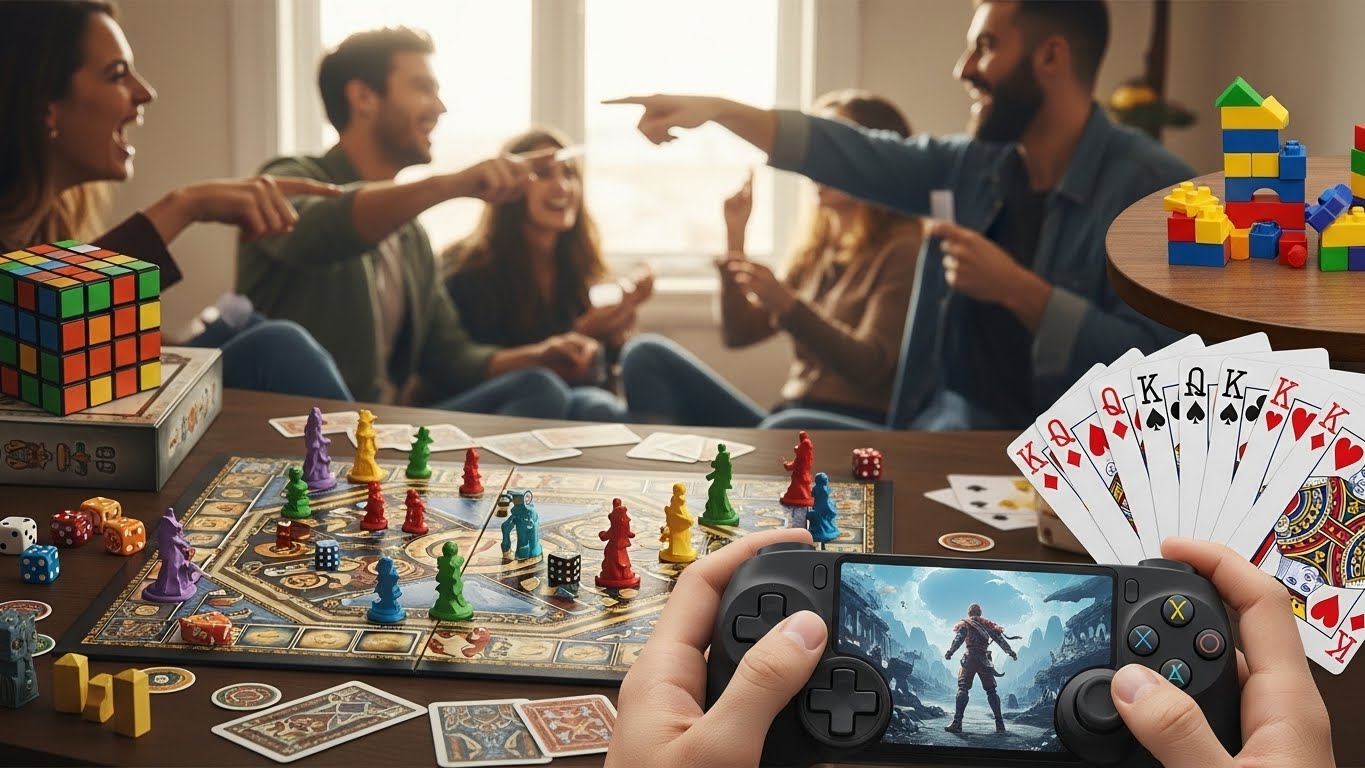
Games have always been a fundamental part of human existence. Long before digital screens and advanced technology, people played games to learn, compete, and connect with one another. Games speak a universal language that transcends age, culture, and geography. Whether played for fun, challenge, or social bonding, games offer experiences that stimulate the mind and nurture creativity. In the modern world, games have evolved into a powerful form of entertainment and expression, influencing how people interact, learn, and even build careers. Understanding the importance of games reveals their deep impact on society and personal development.
The Origins of Games in Human Civilization
The roots of games stretch back thousands of years. Ancient civilizations developed games using simple tools such as stones, boards, and cards. These early games were often tied to education, strategy, and cultural traditions. Chess, dice games, and athletic competitions were not only sources of enjoyment but also tools to teach discipline, patience, and decision-making. Games played a role in social gatherings, religious ceremonies, and royal courts, highlighting their importance beyond mere amusement. The long history of games proves that the desire to play is deeply embedded in human nature.
The Transition from Traditional Games to Digital Experiences
The invention of computers and electronic devices marked a major turning point in the evolution of games. Traditional board and physical games gradually found digital counterparts, offering new dimensions of interaction and complexity. Early digital games were simple in design but revolutionary in concept, allowing players to control characters and outcomes through technology. As hardware improved, games became more visually appealing and mechanically sophisticated. This transition expanded the audience for games and transformed them into a dominant form of modern entertainment.
The Growth of Video Games as Mainstream Entertainment
Video games have grown from a niche interest into a global industry enjoyed by millions. Modern video games offer cinematic visuals, immersive sound design, and detailed storytelling. They allow players to explore vast worlds, solve intricate problems, and experience emotions similar to those found in films and books. The accessibility of gaming platforms, including consoles, computers, and mobile devices, has made gaming part of everyday life. Video games are no longer limited to a specific age group; they appeal to children, teenagers, adults, and even seniors.
Understanding Different Types of Games
Games come in many forms, each designed to appeal to different preferences and skills. Action games focus on quick reflexes and coordination, offering fast-paced excitement. Strategy games challenge players to think critically, plan ahead, and manage resources wisely. Role-playing games immerse players in narrative-driven experiences where character development and choice matter. Simulation games replicate real-life scenarios, allowing players to experiment and learn through virtual experiences. Puzzle games emphasize logic and creativity, while sports games bring competitive excitement into the digital realm. This diversity ensures that games remain engaging and inclusive for everyone.
Games and Social Interaction
One of the most powerful aspects of games is their ability to bring people together. Multiplayer games encourage cooperation, communication, and teamwork. Players form friendships, communities, and even long-lasting relationships through shared gaming experiences. Online gaming has removed geographical barriers, allowing individuals from different cultures to interact and collaborate. Games often serve as social spaces where people share achievements, support each other, and celebrate success. In an increasingly digital world, games provide meaningful opportunities for social connection.
The Psychological Appeal of Games
Games are designed to engage the human mind in unique ways. They offer challenges that stimulate problem-solving skills and reward perseverance. Progression systems, achievements, and rewards create a sense of accomplishment that motivates players to continue. Games also provide a safe space for experimentation, allowing players to take risks and learn from failure without real-world consequences. This balance of challenge and reward explains why games can be deeply engaging and satisfying for players of all backgrounds.
Storytelling and Emotional Engagement in Games
Modern games have become powerful storytelling tools. Through narrative design, character development, and player choice, games create emotional connections that rival traditional storytelling mediums. Players are not passive observers; they actively shape the story through their decisions. This interactivity deepens emotional engagement and makes each experience unique. Games can explore complex themes such as identity, morality, sacrifice, and hope, offering meaningful stories that resonate long after gameplay ends.
The Role of Technology in Shaping Games
Advancements in technology have continuously redefined what games can achieve. Improved graphics, realistic physics, and intelligent artificial behavior have enhanced immersion. Sound design and music add emotional depth, while motion controls and virtual environments increase interactivity. Emerging technologies such as virtual reality and augmented reality offer entirely new ways to experience games. As technology continues to evolve, games will become even more immersive, blurring the line between reality and virtual experiences.
Mobile Games and Everyday Entertainment
Mobile gaming has transformed how and when people play games. With smartphones in nearly every pocket, games are accessible anytime and anywhere. Mobile games are designed for convenience, offering short yet engaging experiences. This accessibility has expanded the gaming audience and introduced new players to gaming culture. Mobile games also encourage social interaction through shared challenges and competitive features. Their widespread popularity highlights the adaptability and reach of games in modern life.
Competitive Gaming and Professional Opportunities
Games have also opened doors to professional opportunities. Competitive gaming has evolved into a recognized industry where skilled players compete at the highest levels. Professional gamers dedicate hours to practice, strategy, and teamwork. Beyond competition, careers in game development, design, streaming, and content creation have emerged. Games are no longer just a hobby; they are a legitimate career path for many individuals passionate about creativity and competition.
Educational Value of Games
Games are increasingly used as educational tools. Educational games make learning interactive and enjoyable, helping players understand complex concepts through experience. Strategy and simulation games improve critical thinking and decision-making skills. Language games enhance communication abilities, while creative games encourage imagination and innovation. The ability of games to engage learners actively makes them effective tools for education and personal growth.
Challenges and Responsibilities in Gaming
Despite their benefits, games also present challenges. Excessive gaming can lead to imbalance if not managed responsibly. Issues such as screen time, online behavior, and content appropriateness require awareness and moderation. Developers, parents, and players all share responsibility in promoting healthy gaming habits. By encouraging balance and mindful play, games can remain a positive and enriching part of life.
The Future of Games
The future of games is filled with potential. Innovations in artificial intelligence, immersive environments, and interactive storytelling will continue to push boundaries. Games will become more personalized, adaptive, and socially connected. As technology integrates further into daily life, games will expand beyond entertainment into education, training, and social interaction. The evolution of games reflects humanity’s ongoing desire to explore, create, and connect through play.
Conclusion: Games as a Reflection of Human Creativity
Games are more than simple pastimes; they are expressions of creativity, intelligence, and culture. From ancient board games to modern digital worlds, games have evolved alongside humanity, adapting to changing technologies and social needs. They entertain, educate, and unite people across the globe. As games continue to grow and innovate, they will remain an essential part of human experience, offering endless opportunities for enjoyment, learning, and connection. The enduring power of games lies in their ability to bring joy, challenge the mind, and remind us of the simple pleasure of play.