Introduction
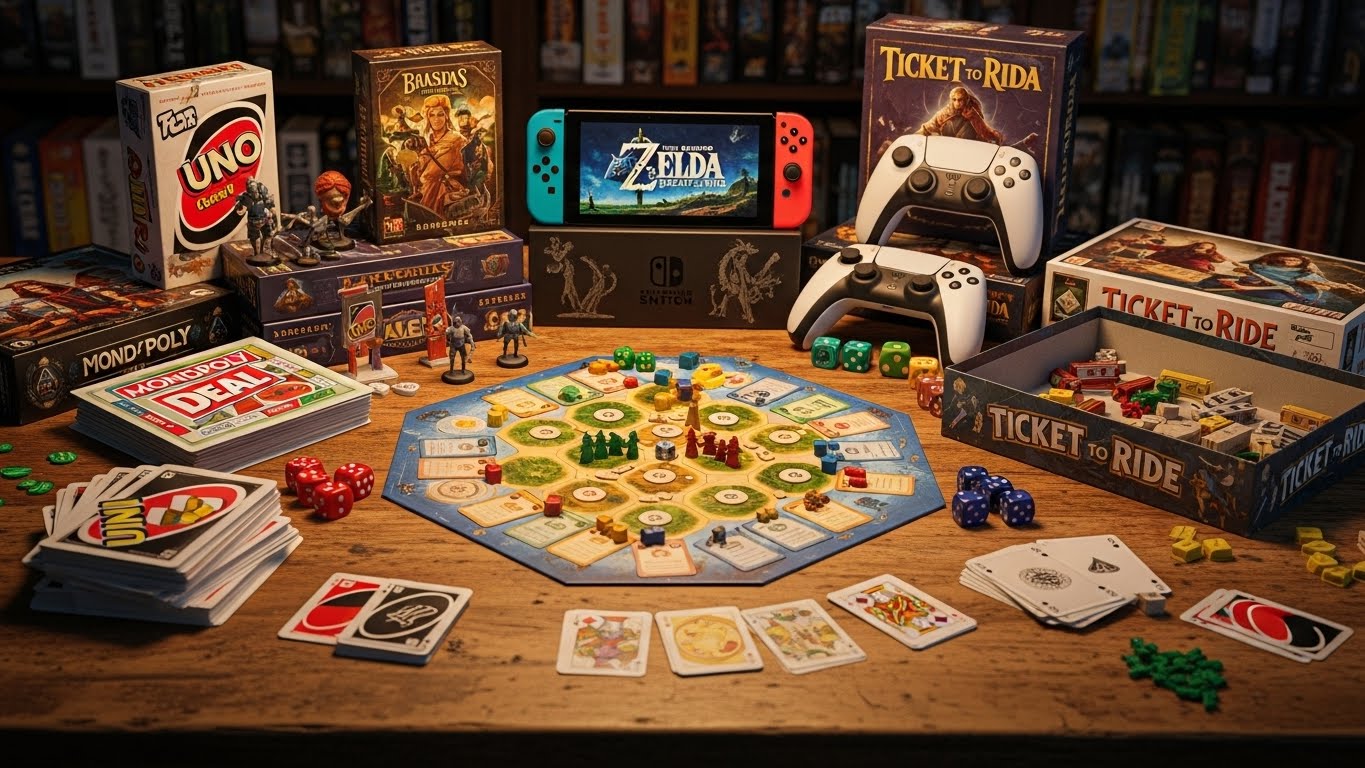
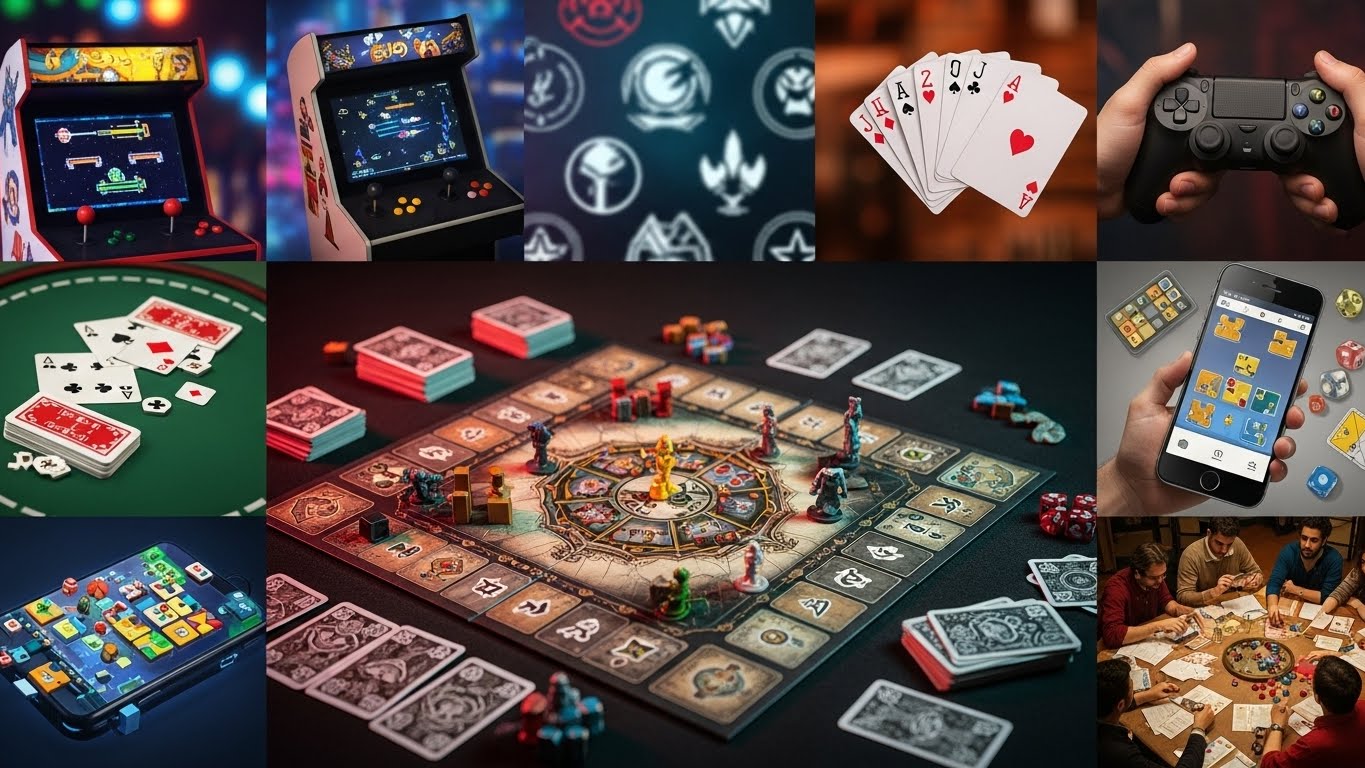
Games have been an integral part of human culture for centuries, evolving from simple physical activities to complex digital experiences. In the modern era, video games have transformed entertainment, offering immersive experiences, social interaction, and even educational benefits. The gaming industry has grown into a multi-billion-dollar sector, encompassing a wide variety of platforms, genres, and technologies.
Today, games are not just about entertainment—they are a medium of storytelling, creativity, and connection. From mobile puzzles to expansive online multiplayer worlds, gaming continues to capture the imagination of millions worldwide. This blog explores the growth of games, technological innovations, popular genres, cultural impact, emerging trends, challenges, and the future of gaming.
The History of Games
Games have a rich history, with early forms found in ancient civilizations. Traditional board games, card games, and physical competitions laid the foundation for modern gaming. With the invention of electronic computers in the mid-20th century, the first video games emerged, introducing interactive digital entertainment.
The 1970s and 1980s saw the rise of arcade games and early home consoles, bringing classics like Pong, Pac-Man, and Space Invaders to the public. The 1990s marked a leap forward with 3D graphics, multiplayer functionality, and narrative-driven gameplay. As the internet became widespread, online gaming communities flourished, paving the way for today’s interconnected gaming culture.
Technological Advancements in Gaming
Modern gaming is closely tied to technology, with advancements driving innovation, realism, and accessibility.
Graphics and Visual Realism
High-definition graphics have transformed how players experience games. Advanced engines and rendering techniques create lifelike visuals, realistic environments, and fluid animations. Ray tracing, 4K resolution, and dynamic lighting allow developers to craft visually stunning worlds that engage players in ways previously impossible.
Artificial Intelligence
Artificial intelligence has revolutionized gameplay, enabling smarter NPCs (non-player characters) and adaptive challenges. AI allows for procedural storytelling, personalized game experiences, and dynamic world-building. Players face opponents that learn from their actions, creating more engaging and unpredictable gameplay.
Virtual Reality and Augmented Reality
Virtual reality immerses players in fully 3D environments, while augmented reality blends digital elements into the real world. VR and AR offer innovative ways to experience games, from exploring virtual worlds to interacting with objects in real-time. These technologies provide a level of immersion that traditional gaming platforms cannot match.
Cloud Gaming
Cloud gaming allows players to stream games without high-end hardware. With powerful servers handling processing, users can access graphics-intensive games on mobile devices, laptops, and smart TVs. This technology makes gaming more accessible and reduces the need for expensive consoles or PCs.
Popular Game Genres
Games cater to diverse audiences, and various genres offer unique experiences and challenges.
Action and Adventure Games
Action and adventure games focus on exploration, combat, and narrative. Players navigate complex environments, solve puzzles, and engage in dynamic gameplay. Popular franchises like The Legend of Zelda, Tomb Raider, and Uncharted combine storytelling with interactive challenges, appealing to players seeking immersive experiences.
Role-Playing Games (RPGs)
RPGs allow players to assume the roles of characters, developing skills, completing quests, and influencing the game world. Titles such as Skyrim, Final Fantasy, and The Witcher series emphasize narrative depth and world-building, offering players agency and emotional engagement.
Simulation and Strategy Games
Simulation and strategy games focus on planning, resource management, and critical thinking. Games like The Sims, Cities: Skylines, and Civilization enable players to build, manage, and optimize virtual environments or societies. These genres appeal to players who enjoy problem-solving and creative experimentation.
Sports and Racing Games
Sports and racing games recreate real-world athletic competition. Titles like FIFA, NBA 2K, Gran Turismo, and Forza Motorsport allow players to experience the excitement of sports and high-speed racing. Multiplayer modes and online tournaments enhance competition and community engagement.
Casual and Mobile Games
Casual and mobile games provide quick, accessible entertainment. Games like Candy Crush, Among Us, and Clash of Clans appeal to a broad demographic, often incorporating social elements, microtransactions, and reward systems. These games are designed for short sessions and mass appeal, making them a staple of modern gaming.
Esports
Esports represents the professional and competitive side of gaming. Titles like League of Legends, Dota 2, and Counter-Strike: Global Offensive host organized tournaments with large prize pools. Esports has grown into a global phenomenon, with professional teams, sponsorships, and live events, highlighting the evolution of gaming from hobby to career.
Cultural Impact of Games
Gaming has influenced culture, creativity, and social interaction in profound ways.
Storytelling and Narrative
Games have become a medium for storytelling, rivaling films and literature. Interactive narratives allow players to make choices that impact the storyline, creating deeply personal experiences. Games like The Last of Us and Red Dead Redemption explore complex themes and moral dilemmas, engaging players emotionally and intellectually.
Social Interaction
Online multiplayer games foster communities and social connections. Players form teams, participate in events, and communicate globally. Gaming provides a platform for collaboration, competition, and friendship, turning digital spaces into social ecosystems.
Educational and Cognitive Benefits
Games offer educational and cognitive benefits. Strategy games enhance problem-solving, decision-making, and critical thinking. Puzzle games improve memory and pattern recognition, while simulations teach resource management and planning. Educational games integrate learning into gameplay, making knowledge acquisition interactive and enjoyable.
Influence on Pop Culture
Games influence music, movies, fashion, and art. Iconic characters, soundtracks, and storylines inspire creative expression and media adaptations. Gaming conventions and esports events attract millions of fans, demonstrating how games have become central to modern culture.
Emerging Trends in Gaming
The gaming industry is constantly evolving, with new trends shaping how players interact with games and how developers create them.
Cross-Platform Play
Cross-platform gaming allows players on different devices to play together, breaking down hardware barriers. This trend fosters inclusivity, community growth, and competitive play, ensuring friends can connect regardless of their chosen platform.
Subscription and Streaming Services
Subscription-based models and game streaming services provide access to extensive libraries for a fixed monthly fee. These platforms encourage exploration, reduce upfront costs, and introduce players to new titles they may not have considered.
Procedural and Sandbox Games
Procedural generation and sandbox games give players freedom to explore and create. Titles like Minecraft and No Man’s Sky offer limitless possibilities, fostering creativity, experimentation, and replayability.
AI-Driven Personalization
Artificial intelligence personalizes gaming experiences by adapting difficulty, recommending content, and creating dynamic worlds. This ensures players remain challenged and engaged, offering unique experiences tailored to individual preferences.
Immersive Experiences
Virtual and augmented reality, along with advanced audio and haptic feedback, create immersive environments that deepen engagement. Players can explore realistic worlds, interact with characters, and experience gameplay on a sensory level previously unimaginable.
Challenges Facing the Gaming Industry
Despite its growth, gaming faces challenges that must be addressed to ensure sustainable development.
Regulation and Age Restrictions
Games must comply with regional regulations regarding content, online interaction, and in-game purchases. Ensuring compliance while maintaining an enjoyable experience is a complex challenge for developers.
Security and Privacy
Online gaming exposes players to risks such as hacking, account theft, and data breaches. Platforms must implement robust security measures to protect users and maintain trust.
Addiction and Mental Health
Gaming addiction and its impact on mental health remain concerns. Excessive gaming can lead to physical, emotional, and social challenges. Awareness campaigns and responsible gaming initiatives are essential to mitigate these risks.
Market Competition
With the rapid expansion of the industry, competition is intense. Developers must innovate and produce compelling content to stand out, as market saturation can make visibility and player retention challenging.
The Future of Gaming
The future of gaming is exciting, with technological advancements set to redefine how players interact with games. AI, VR, AR, and cloud gaming will provide more immersive, accessible, and personalized experiences. Cross-platform play and subscription models will continue to grow, ensuring players can access games in flexible and convenient ways.
Esports will further solidify its position as a professional industry, and narrative-driven or sandbox games will push creative boundaries. Gaming will remain a hub for social interaction, learning, and cultural influence, continuing to shape entertainment for generations to come.
Conclusion
Games have evolved from simple pastimes to a multifaceted global phenomenon. They offer immersive experiences, social engagement, educational benefits, and cultural influence, making them more than just entertainment.
With genres ranging from action and RPGs to simulation, sports, and casual mobile games, the industry caters to diverse preferences. Emerging technologies such as AI, VR, AR, and cloud gaming are expanding possibilities, creating experiences that are more engaging and accessible than ever.
Despite challenges like regulation, security, and mental health concerns, the gaming industry continues to innovate and thrive. The future promises even more immersive, interactive, and creative experiences, solidifying gaming as a central pillar of modern entertainment.