Introduction: Games Beyond Entertainment
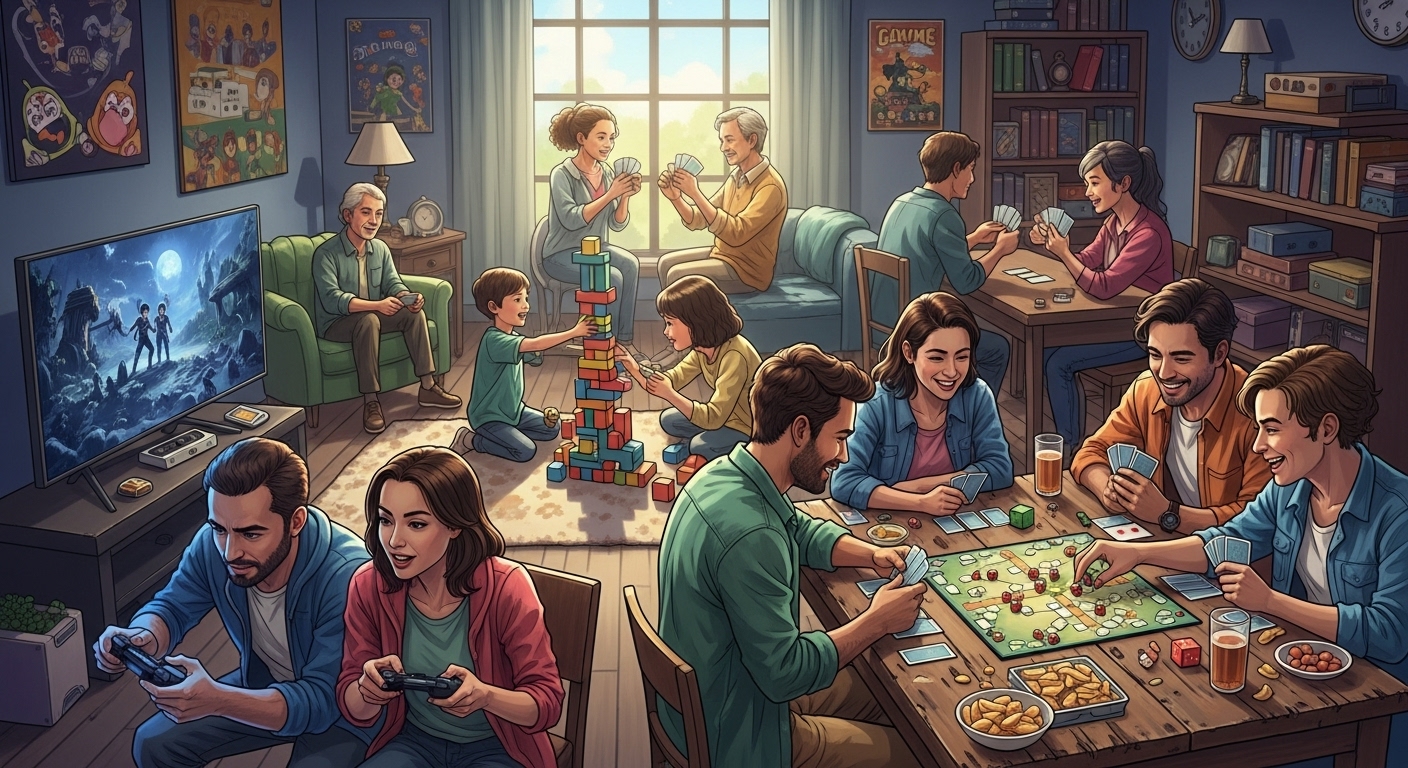
Games have been an integral part of human culture for centuries, evolving from simple pastimes to complex interactive experiences that captivate millions around the world. They are more than just entertainment; games foster creativity, strategy, problem-solving, and social interaction. From board games and card games to video games and mobile apps, the world of gaming offers a diverse playground where imagination meets skill. This blog explores how games influence our lives, culture, technology, and communities, highlighting why they remain one of the most compelling forms of entertainment today.
The Evolution of Games: From Ancient Pastimes to Digital Worlds
Games have existed since the dawn of civilization. Ancient societies played strategic board games like chess and Go, which required intellect, foresight, and tactical planning. These early games reflected cultural values and social structures, offering both entertainment and mental stimulation.
With the invention of digital technology, games transformed dramatically. Video games brought interactive experiences to screens, allowing players to explore virtual worlds, complete challenges, and compete globally. Early arcade classics paved the way for home consoles and PC gaming, evolving into today’s high-definition, story-driven, and multiplayer experiences. The evolution of games demonstrates how play adapts with technology and creativity, turning entertainment into an immersive, interactive medium.
Storytelling in Games: Narratives That Engage Players
Modern games are powerful storytelling tools. Unlike traditional media, games offer players control over the narrative, allowing them to shape outcomes, influence characters, and explore dynamic worlds. Story-driven games create emotional engagement, drawing players into experiences that can be as impactful as novels or films.
Games explore complex themes such as morality, human relationships, cultural identity, and social challenges. Choices made in-game often have consequences, teaching players about cause and effect, responsibility, and ethical dilemmas. By merging gameplay with storytelling, games offer a unique blend of entertainment and personal reflection.
Types of Games: A World of Variety
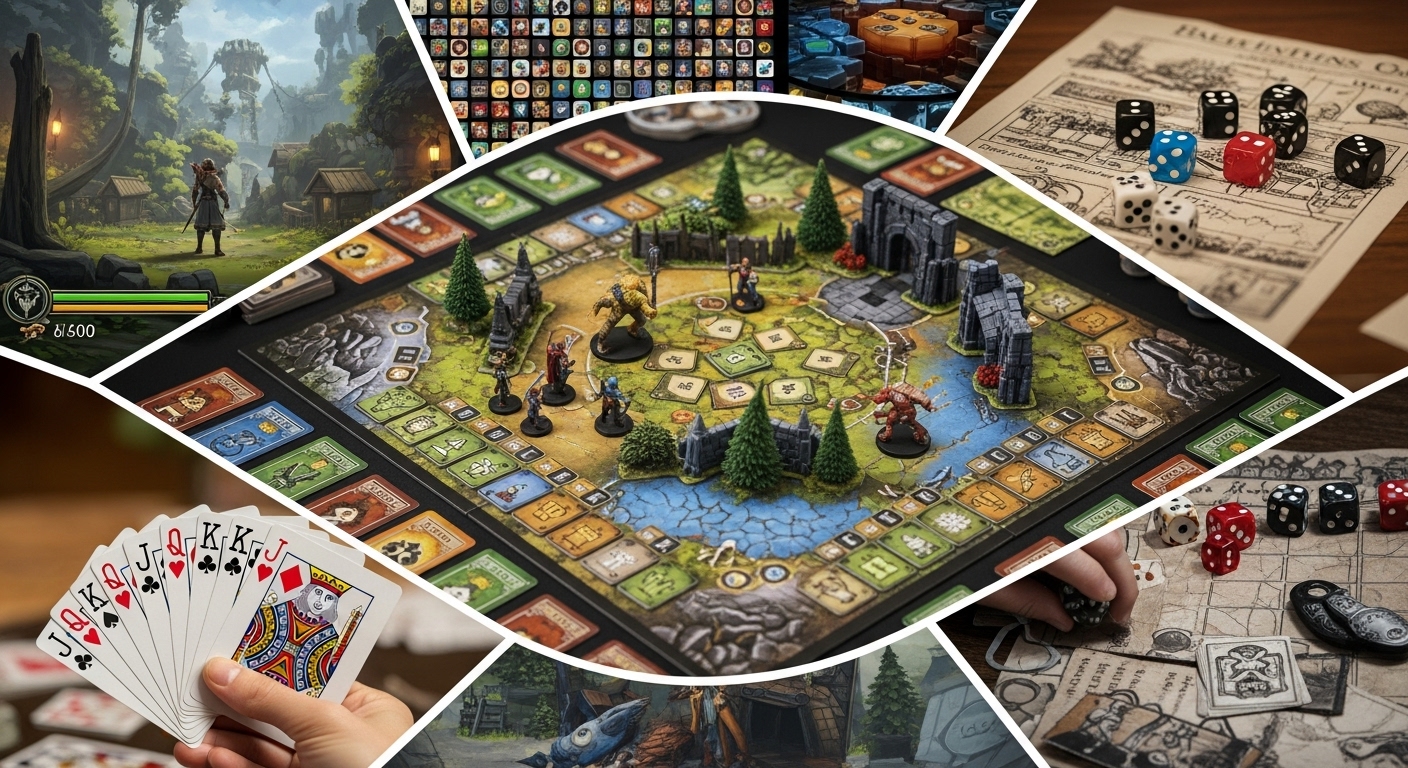
The gaming universe is incredibly diverse, catering to different interests, age groups, and skill levels.
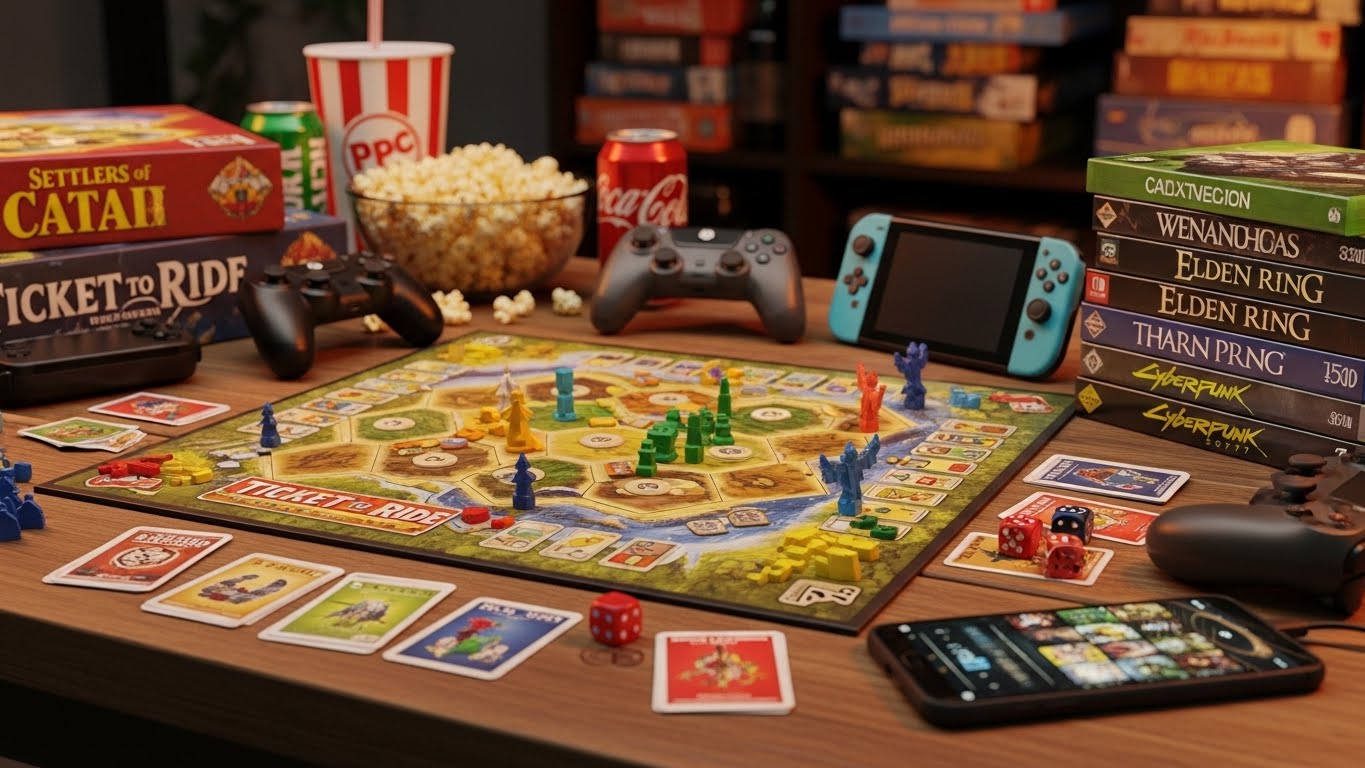
Board Games and Card Games: These classics remain popular for social gatherings, fostering strategy, competition, and fun. Games like chess, monopoly, and poker challenge players intellectually while encouraging social interaction.
Video Games: Ranging from action-packed adventures to peaceful simulations, video games provide immersive experiences that transport players to virtual worlds. Role-playing games allow for character development, strategic planning, and exploration, while shooters and sports games test reflexes and coordination.
Mobile Games: Designed for convenience, mobile games fit into busy lifestyles, offering quick puzzles, casual strategy, or role-playing adventures. Accessibility has expanded the gaming audience globally, allowing billions to engage in interactive entertainment at their fingertips.
Educational Games: These games combine fun and learning, helping players develop critical thinking, problem-solving, and cognitive skills. By turning challenges into interactive experiences, educational games make learning enjoyable and engaging.
Multiplayer and Online Gaming: Connecting the World
One of the most transformative aspects of modern gaming is online multiplayer experiences. Players can connect globally, collaborating or competing in real time. Online games foster teamwork, communication, and social skills, offering a sense of community and shared purpose.
Massively multiplayer online games (MMOs) create virtual societies with complex economies, alliances, and hierarchies. Players build communities, trade resources, and form friendships that extend beyond the screen. This social dimension of gaming demonstrates its power as a connector, transcending borders and bringing people together through shared experiences.
Esports: Professional Gaming on a Global Stage
Esports has revolutionized gaming by turning it into a professional, competitive industry. Skilled players train rigorously, mastering strategy, reflexes, and teamwork to compete in tournaments watched by millions. Professional esports events now rival traditional sports in popularity, viewership, and prize money.
The rise of esports has created new career paths, including professional players, coaches, analysts, commentators, and content creators. It highlights that gaming requires discipline, skill, and dedication. Esports has transformed public perception, proving that games are not just leisure activities but serious, skill-driven pursuits.
The Creative Side of Gaming: Players as Innovators
Games encourage creativity, not just in gameplay but also in design and storytelling. Many platforms allow players to create levels, develop custom content, and modify existing games. This creativity transforms gaming into a medium of artistic expression.
User-generated content, such as mods, custom maps, and original stories, often inspires developers and leads to new genres or gameplay mechanics. Games become a collaborative playground where imagination thrives, blurring the line between player and creator.
Educational Benefits of Gaming
Gaming can provide substantial educational value. Strategy games improve planning and critical thinking, puzzle games enhance problem-solving skills, and role-playing games encourage decision-making and moral reasoning. Many educational games teach concepts in math, science, history, and language arts, making learning interactive and engaging.
Gamification, the use of game elements in non-gaming contexts, is increasingly used in classrooms and professional training programs. By turning tasks into challenges, rewards, and interactive experiences, games help learners stay motivated and retain knowledge effectively.
Mental Health and Cognitive Development
Gaming can positively affect mental health and cognitive abilities when done responsibly. Certain games improve memory, attention, multitasking, and spatial awareness. Strategy and puzzle games challenge the brain, promoting logical thinking and adaptability.
Gaming also provides emotional benefits, offering stress relief, relaxation, and a sense of accomplishment. Multiplayer games create social bonds, helping to reduce feelings of isolation. By balancing gaming with other activities, players can enjoy cognitive stimulation, emotional growth, and social engagement.
Technology and Innovation Driven by Gaming
The gaming industry drives technological innovation across multiple sectors. Advanced graphics engines, artificial intelligence, virtual reality, augmented reality, and motion tracking were popularized through gaming. These technologies now have applications in education, healthcare, architecture, and professional training.
Gaming pushes creative boundaries, inspiring new forms of interactive storytelling, design, and user experience. It demonstrates that entertainment and technology can co-evolve, producing tools and innovations that impact broader society.
Mobile Gaming: Convenience and Accessibility
Mobile gaming has transformed accessibility, making interactive entertainment available to virtually everyone. Smartphones allow players to engage in casual puzzles, competitive matches, and immersive adventures anywhere. This portability ensures gaming fits into modern lifestyles, reaching audiences who may never own a console or high-end PC.
Mobile games also support creativity and social interaction, allowing players to share achievements, compete with friends, and participate in global communities. The rise of mobile gaming proves that games are no longer confined to traditional platforms—they are a ubiquitous part of daily life.
Gaming Culture: Identity, Community, and Expression
Gaming culture has become a vibrant and influential aspect of modern society. Fans express themselves through cosplay, streaming, fan art, community events, and content creation. These activities foster creativity, collaboration, and shared identity among players.
Gaming also reflects social values, promoting diversity, inclusivity, and innovation. Communities celebrate achievements, discuss strategies, and explore narratives together. The culture around games influences fashion, media, and entertainment, making gaming a powerful force in shaping contemporary culture.
Challenges in Gaming
Despite its benefits, gaming faces challenges. Online harassment, addiction, excessive screen time, and lack of accessibility in some games are ongoing concerns. Developers and communities are actively working to create safer, more inclusive environments for players.
These challenges also present opportunities for innovation. Designing inclusive games, implementing safety measures, and promoting healthy gaming habits help ensure that the industry grows sustainably while maintaining its entertainment and educational value.
The Future of Gaming: Infinite Possibilities
The future of gaming promises even greater immersion, creativity, and interactivity. Virtual reality, augmented reality, and artificial intelligence will continue to transform gameplay, making experiences more adaptive and personalized. Cloud gaming and cross-platform integration will allow seamless access to games, expanding global reach and accessibility.
As games evolve, they will continue to influence culture, education, technology, and social interaction. Gaming will remain a space for creativity, competition, and community, pushing boundaries and inspiring generations to explore new worlds of imagination and skill.
Conclusion: Games as a Reflection of Human Potential
Games are more than leisure activities—they are a reflection of human creativity, intelligence, and social connection. From immersive storytelling and competitive esports to educational tools and cultural phenomena, games influence multiple aspects of life. They challenge our minds, spark imagination, foster collaboration, and bring joy.
The world of games continues to expand, evolving with technology and culture, yet its core purpose remains unchanged: to engage, entertain, and inspire. Games offer a limitless playground where players explore, learn, compete, and create. They remind us that play is not merely for children—it is a fundamental part of human experience and imagination.