Introduction: Games as the Pulse of Modern Creativity
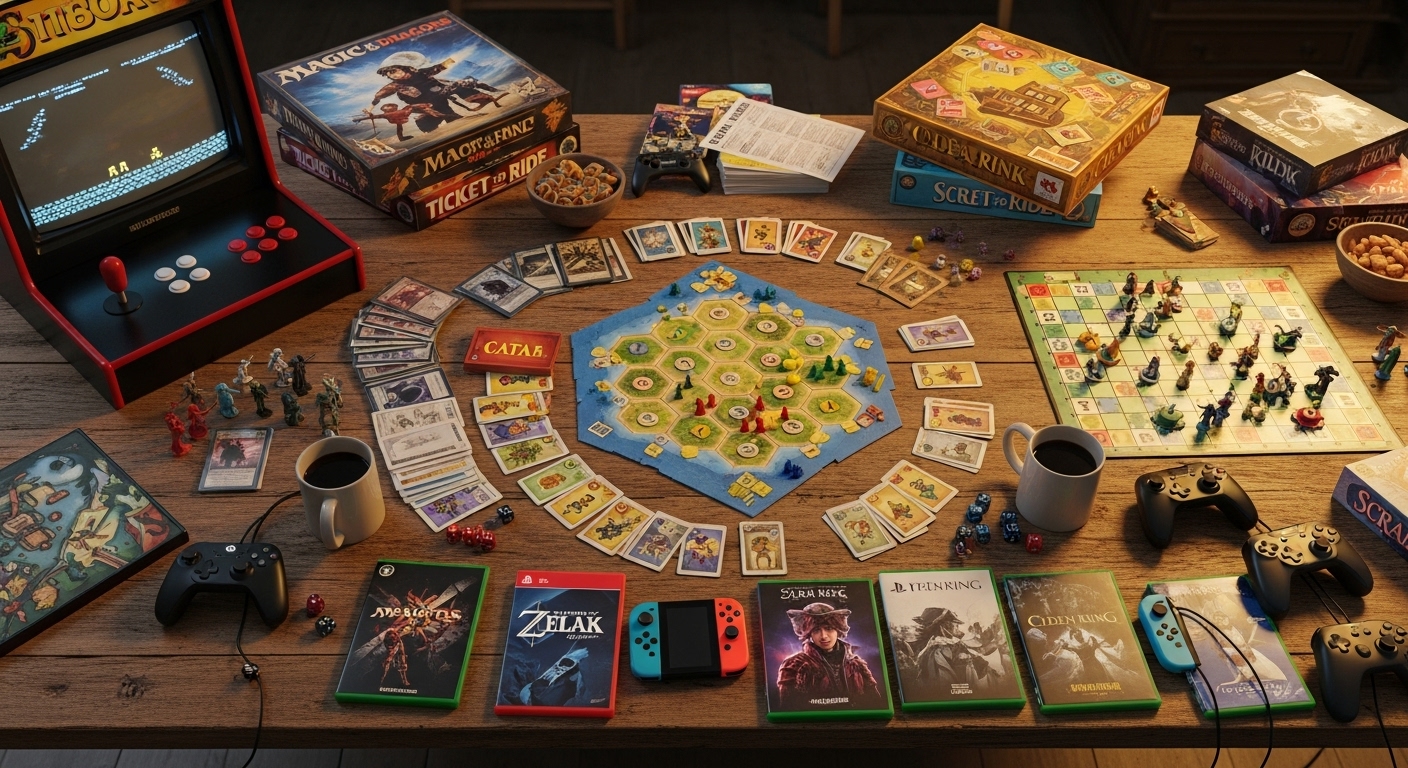
Games have evolved from simple forms of amusement into one of the most dynamic and creative expressions of human imagination. They blend art, technology, and storytelling in a way that no other medium can match. What began as ancient board games carved from stone has grown into virtual worlds filled with life, challenge, and endless possibility. Games today are more than entertainment; they are cultural cornerstones that influence education, social interaction, and even mental health. The global gaming phenomenon is a testament to how far human innovation and imagination can go when combined with the joy of play.
The Ancient Roots of Gaming
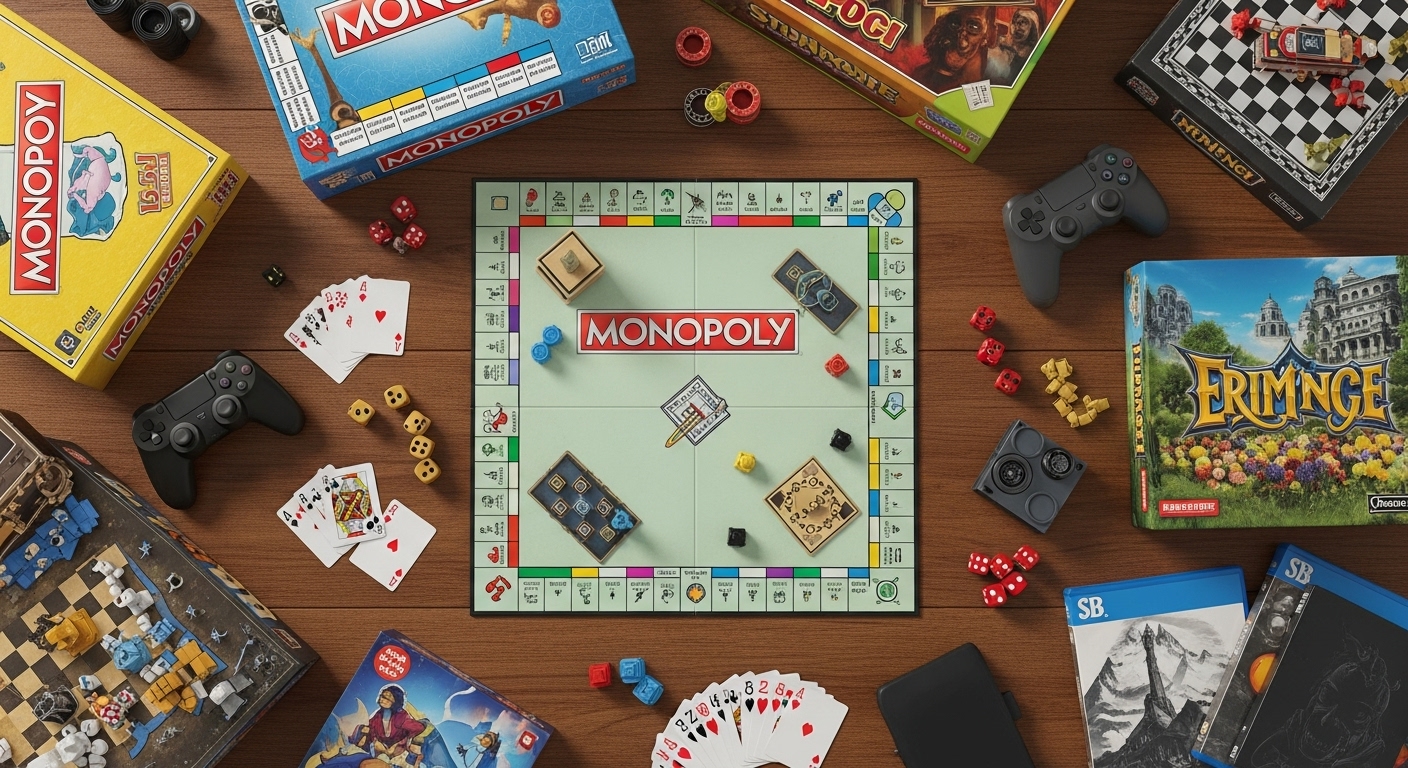
Long before the digital revolution, people played games as a way to learn, socialize, and compete. Archaeological evidence shows that ancient civilizations enjoyed games of strategy and chance thousands of years ago. Games like Senet in Egypt, Go in China, and Chess in India taught lessons in planning, patience, and skill. These early forms of play were not just entertainment—they reflected the values and intellect of their societies. As time went on, games evolved into more complex and creative forms, setting the foundation for the interactive entertainment we enjoy today.
The Birth of Video Games and the Digital Transformation
The mid-twentieth century marked a revolutionary moment in human history when games transitioned from the physical to the digital realm. Early computer scientists created simple games like Spacewar! and Pong, which fascinated players with their novelty. The 1980s became the golden era of arcade machines, where players lined up to challenge high scores and test their reflexes. The introduction of home consoles such as the Atari and Nintendo Entertainment System brought gaming into living rooms, forever changing entertainment. These early innovations laid the groundwork for the massive, interconnected gaming universe that now spans the globe.
The Role of Technology in Modern Gaming
Technology is the heartbeat of the modern gaming industry. The rapid advancement of computer hardware and software has allowed developers to create stunning, realistic worlds filled with detail and emotion. High-definition graphics, artificial intelligence, and advanced physics engines make games feel more alive than ever before. The evolution from 8-bit characters to lifelike 3D avatars is a journey of constant innovation. Virtual reality headsets and motion controllers have blurred the line between reality and the digital realm, allowing players to fully immerse themselves in their experiences. Technology has transformed gaming into a sophisticated art form where imagination meets engineering brilliance.
The Rise of Online and Multiplayer Experiences
The internet transformed gaming from a solitary activity into a global social phenomenon. Online gaming allows millions of people to connect, compete, and cooperate in real time, regardless of distance. Multiplayer titles encourage teamwork, strategy, and communication. Friendships are formed across continents through shared experiences in virtual worlds. Whether players are battling in competitive arenas or building in creative sandboxes, the social dimension of gaming has become one of its defining features. Online gaming has united people under a common passion, demonstrating that play can be a powerful force for connection and collaboration.
Mobile Gaming and the Age of Accessibility
The rise of smartphones has revolutionized the gaming landscape. Mobile gaming has made interactive entertainment accessible to everyone, breaking down barriers of cost and complexity. With just a tap on a screen, anyone can dive into a game—whether it is a quick puzzle during a lunch break or an expansive adventure played on the go. This accessibility has introduced gaming to audiences that were previously untapped, from children to seniors. Mobile games now account for a significant portion of the industry’s revenue and continue to push boundaries in creativity, design, and storytelling.
The Emergence of Esports and Competitive Gaming
Competitive gaming, or esports, has become one of the most exciting developments in the modern entertainment world. What began as small tournaments among friends has grown into a global industry with professional players, sponsors, and live audiences numbering in the millions. Esports athletes train rigorously, strategize deeply, and perform under intense pressure—just like traditional sports professionals. Tournaments for games like battle arenas, shooters, and strategy titles now rival traditional sporting events in viewership. Esports has elevated gaming to a respected competitive discipline, proving that digital skill can command the same admiration as physical athleticism.
The Art of Storytelling in Games
Modern games are not just about mechanics and competition; they are about stories. Developers craft rich narratives that draw players into deep emotional journeys. Unlike movies or books, games give players agency—the ability to make choices that shape the story. This interactivity makes gaming one of the most personal storytelling mediums ever created. Games like role-playing adventures and interactive dramas allow players to explore morality, identity, and emotion in ways that engage both heart and mind. Through compelling stories, games teach empathy, challenge beliefs, and inspire creativity.
Game Design: A Fusion of Art and Science
Creating a game is a monumental task that requires the perfect harmony of creativity and technology. Designers, programmers, writers, and artists work together to bring virtual worlds to life. Every detail—from the sound of footsteps to the design of a landscape—contributes to the overall experience. Game development is an art form that demands precision, vision, and collaboration. Independent developers have particularly shown that innovation does not require massive budgets; it requires imagination. Indie games, often created by small teams, have introduced unique mechanics and emotional storytelling that rival large-scale productions, proving that passion is the true fuel of creativity.
The Educational and Cognitive Benefits of Gaming
Games are often underestimated as tools for learning and mental growth. Educational games teach complex subjects in fun and interactive ways, making learning more engaging and memorable. Strategy and simulation games develop critical thinking, decision-making, and resource management skills. Even action games improve hand-eye coordination, reaction time, and focus. Beyond formal education, gaming fosters creativity, problem-solving, and perseverance. Many educators now recognize games as valuable tools that bridge entertainment and learning, turning play into a form of cognitive development.
The Psychological and Social Impact of Games
Games have a profound impact on mental health and social well-being. They can serve as stress relievers, helping players escape from real-world worries and unwind through immersive experiences. Cooperative games promote teamwork, empathy, and communication skills. Online gaming communities often become support networks where players share experiences and build friendships. Moreover, therapeutic games are being used in psychological treatments for anxiety, depression, and post-traumatic stress. By offering both challenge and comfort, games have proven to be powerful tools for emotional growth and healing.
The Economic Powerhouse of the Gaming Industry
The gaming industry has become one of the most profitable sectors in entertainment. It generates more revenue than film and music combined. This success has fueled job creation in fields like software development, design, marketing, and hardware engineering. The global demand for new and innovative experiences drives continuous technological advancement. Independent developers and large studios alike contribute to this thriving ecosystem. As gaming continues to expand across new platforms and technologies, its economic and cultural influence shows no signs of slowing down.
Challenges in the Gaming World
Despite its many triumphs, the gaming industry faces ongoing challenges. Issues such as addiction, toxicity in online communities, and concerns about data privacy continue to spark debate. Developers also grapple with maintaining inclusivity and fair representation in their games. The demand for constant innovation can lead to intense pressure on development teams, resulting in workplace stress and burnout. However, with increasing awareness and advocacy, both players and creators are working toward solutions that promote balance, diversity, and respect within the gaming ecosystem.
The Future of Games: Expanding Beyond Reality
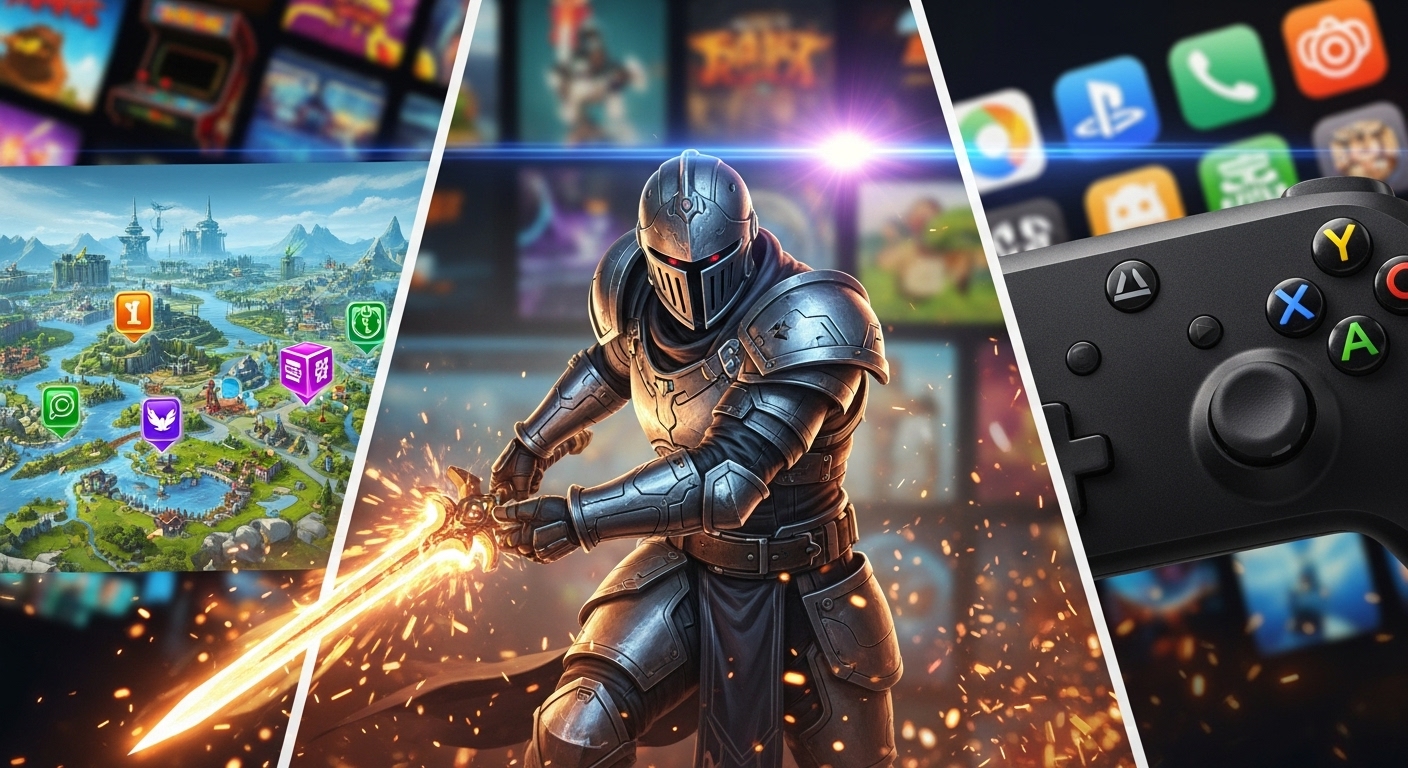
The future of gaming is limited only by imagination. Virtual reality, augmented reality, and artificial intelligence are transforming how players interact with digital worlds. Cloud gaming promises to make high-quality experiences available without expensive hardware, while machine learning may soon create games that adapt to individual play styles. As technology continues to evolve, games will become even more integrated into everyday life. They will influence education, art, communication, and even the way we perceive the world. The next era of gaming will not just entertain—it will expand human potential.
Conclusion: The Eternal Magic of Play
Games are more than just digital pastimes; they are a reflection of who we are as humans. They challenge our minds, ignite our creativity, and connect us to one another. From ancient board games to virtual worlds powered by artificial intelligence, gaming has always been about exploration and expression. It encourages curiosity, teaches resilience, and rewards imagination. The infinite playground of gaming continues to grow, offering new experiences and endless possibilities. As technology and creativity continue to advance hand in hand, one truth remains unchanged—games will always be a celebration of the human spirit’s boundless desire to play, dream, and create.