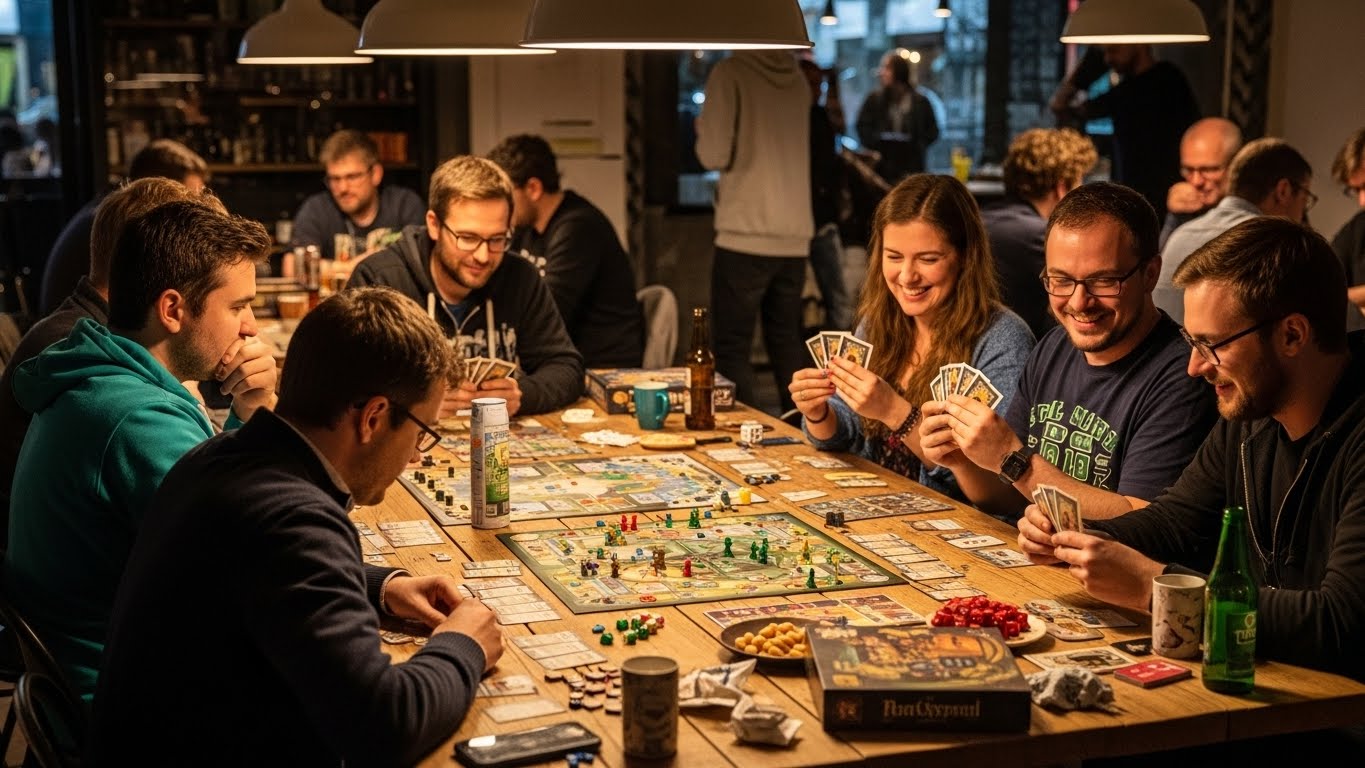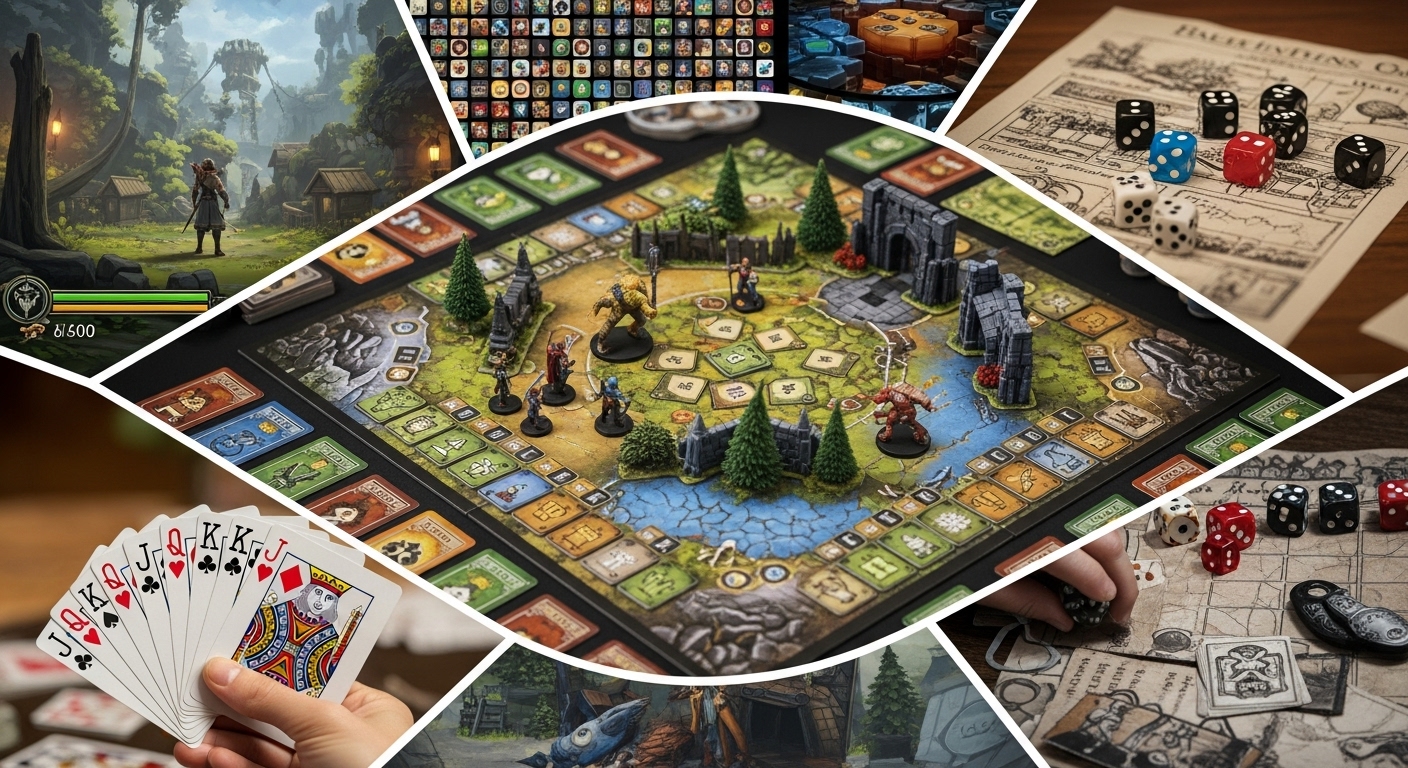
Games have been an integral part of human culture for centuries. From ancient board games to modern video games, they have entertained, educated, and connected people across generations. Games are more than a pastime—they are a reflection of creativity, strategy, and human interaction. In this blog, we explore the evolution of games, their cultural impact, the technological advancements shaping them, and the trends driving the gaming industry forward.
The Origins of Games
The history of games stretches back thousands of years. Ancient civilizations created games for entertainment, education, and social engagement. For example, board games like Senet in Egypt and Go in China served not only as recreational activities but also as tools to develop strategic thinking and problem-solving skills. Dice games and competitive contests were common in Mesopotamia, emphasizing luck, skill, and social bonding.
Games have always played a cultural role. They often reflected societal norms, taught moral lessons, and encouraged teamwork and strategic thinking. Even early games were designed to engage the mind, promote interaction, and provide enjoyment, establishing a foundation for the sophisticated games we enjoy today.
The Evolution of Traditional Games
Traditional games have evolved alongside societies. Chess, which originated in India as Chaturanga, became a symbol of intelligence, strategy, and competition worldwide. Card games, such as Poker and Bridge, introduced social and probabilistic elements, bringing people together in both casual and competitive settings.
Sports and physical games also developed alongside intellectual games. Football, basketball, and athletics allowed communities to compete physically, cultivate teamwork, and celebrate cultural pride. These games provided structured competition, entertainment, and a sense of belonging that communities continue to cherish today.
The Birth of Video Games
The late 20th century marked a revolution in gaming with the introduction of video games. Early arcade games like Pong and Space Invaders introduced digital interactivity, attracting a wide audience and laying the groundwork for a global gaming culture. The 1980s and 1990s saw the rise of home consoles, such as the Nintendo Entertainment System and Sega Genesis, making gaming accessible in households worldwide.
Video games introduced new levels of engagement. Unlike traditional games, they offered immersive experiences with graphics, sound, and storytelling. Gamers could now explore virtual worlds, solve complex problems, and experience narratives in ways that were previously impossible. This shift transformed games from simple leisure activities into rich, interactive experiences that continue to captivate audiences today.
The Rise of Online and Multiplayer Gaming
The advent of the internet brought multiplayer gaming to the forefront. Players could now compete or collaborate with others from different parts of the world. Games like Counter-Strike, World of Warcraft, and StarCraft created global communities, emphasizing strategy, teamwork, and social interaction.
Online gaming fostered a sense of community and competition. Leaderboards, guilds, and clans provided structure and recognition, while forums and chat systems allowed players to share strategies and connect socially. Multiplayer gaming became more than entertainment; it became a social phenomenon that bridged cultural and geographic divides.
Mobile Gaming and Accessibility
The rise of smartphones dramatically changed the gaming landscape. Mobile gaming made it possible for people to play anywhere, anytime. Titles like Candy Crush, Clash of Clans, and Pokémon Go reached audiences who might not have engaged with traditional console or PC games, broadening the appeal of gaming.
Mobile games are often designed for accessibility and convenience. Short, engaging gameplay sessions appeal to casual gamers, while competitive mobile games continue to push boundaries in skill and strategy. Mobile technology has made gaming a ubiquitous part of daily life, ensuring that entertainment is always at our fingertips.
The Psychology and Benefits of Gaming
Games are not just for fun; they offer numerous cognitive, emotional, and social benefits. Strategy-based games improve problem-solving skills, decision-making, and critical thinking. Puzzle games enhance memory, focus, and logical reasoning, while role-playing games encourage creativity, storytelling, and empathy.
Social games, including online multiplayer titles, foster communication, collaboration, and teamwork. They provide spaces for social connection, community building, and even leadership development. Additionally, games offer emotional benefits, such as stress relief, escapism, and a sense of achievement, contributing to overall well-being.
Esports: Gaming as Competition
The rise of esports has transformed gaming into a professional, spectator-driven industry. Competitive gaming has evolved from small tournaments to massive international events with professional teams, sponsorships, and audiences in the millions. Games like League of Legends, Dota 2, and Fortnite have become staples of the esports scene.
Esports emphasizes strategy, skill, and mental agility. Players train rigorously, analyze opponents, and develop tactics, similar to traditional athletes. Spectatorship in esports has created a new form of entertainment, blending competition, drama, and community engagement. The professionalization of gaming has further cemented its cultural and economic significance.
The Role of Storytelling in Games
Modern games often blend interactivity with narrative, offering players immersive storytelling experiences. Role-playing games, adventure titles, and interactive simulations allow players to explore complex worlds, make choices, and experience consequences, much like literature or film.
Storytelling in games enhances emotional engagement, encouraging players to invest in characters, relationships, and plots. It transforms games from passive entertainment into interactive experiences that provoke thought, empathy, and emotional connection. This narrative element has elevated gaming into an art form recognized for its creativity and depth.
Technology and Innovation in Gaming
Advancements in technology continue to reshape gaming experiences. Virtual reality (VR) and augmented reality (AR) provide immersive environments where players can interact physically with digital worlds. Artificial intelligence (AI) enhances gameplay, providing adaptive challenges, smarter opponents, and personalized experiences.
Cloud gaming allows users to stream high-quality games without requiring powerful hardware, making advanced gaming experiences accessible to more people. Innovations in graphics, sound design, and physics engines further increase realism, engagement, and the emotional impact of games. Technology ensures that gaming continues to evolve and captivate audiences across generations.
Cultural Impact of Gaming
Gaming has become a global cultural force. It influences art, music, fashion, and media. Characters, stories, and franchises transcend games, appearing in movies, merchandise, and social media. Gaming has created communities, subcultures, and social norms that influence how people interact and express themselves.
Beyond entertainment, games reflect societal trends, cultural values, and collective imagination. They offer spaces for experimentation, learning, and social commentary. The cultural impact of gaming demonstrates its role as more than recreation—it is a medium of expression, identity, and innovation.
Challenges in the Gaming Industry
Despite its growth, gaming faces challenges. Addiction and excessive screen time can impact mental health, particularly among younger players. Ensuring inclusivity and diversity in game design and communities remains an ongoing concern.
Technological complexity and high development costs create barriers for new creators, limiting innovation in some areas. Additionally, ethical considerations around monetization, in-game purchases, and data privacy require careful management. Addressing these challenges is essential to maintaining a healthy, responsible, and sustainable gaming industry.
The Future of Gaming
The future of gaming is poised for exciting developments. Cloud-based platforms, AI-driven personalization, and immersive VR and AR experiences will continue to redefine what games can offer. Social integration and multiplayer ecosystems will strengthen global communities and enhance engagement.
Gaming will likely expand into education, professional training, and creative collaboration, further blending entertainment with learning and productivity. As technology evolves and new narratives are explored, games will remain at the forefront of cultural and digital innovation.
Conclusion: The Enduring Power of Games
Games have come a long way from ancient board games to high-tech digital experiences. They entertain, educate, and connect people across generations and cultures. With immersive storytelling, innovative technology, and social engagement, games have become more than a pastime—they are a reflection of human creativity and imagination.
As the gaming industry continues to evolve, its cultural, economic, and social impact will grow. Games are not just about winning or playing—they are about exploration, connection, and the joy of discovery. The power of play remains a fundamental part of the human experience, shaping entertainment, culture, and society for years to come.