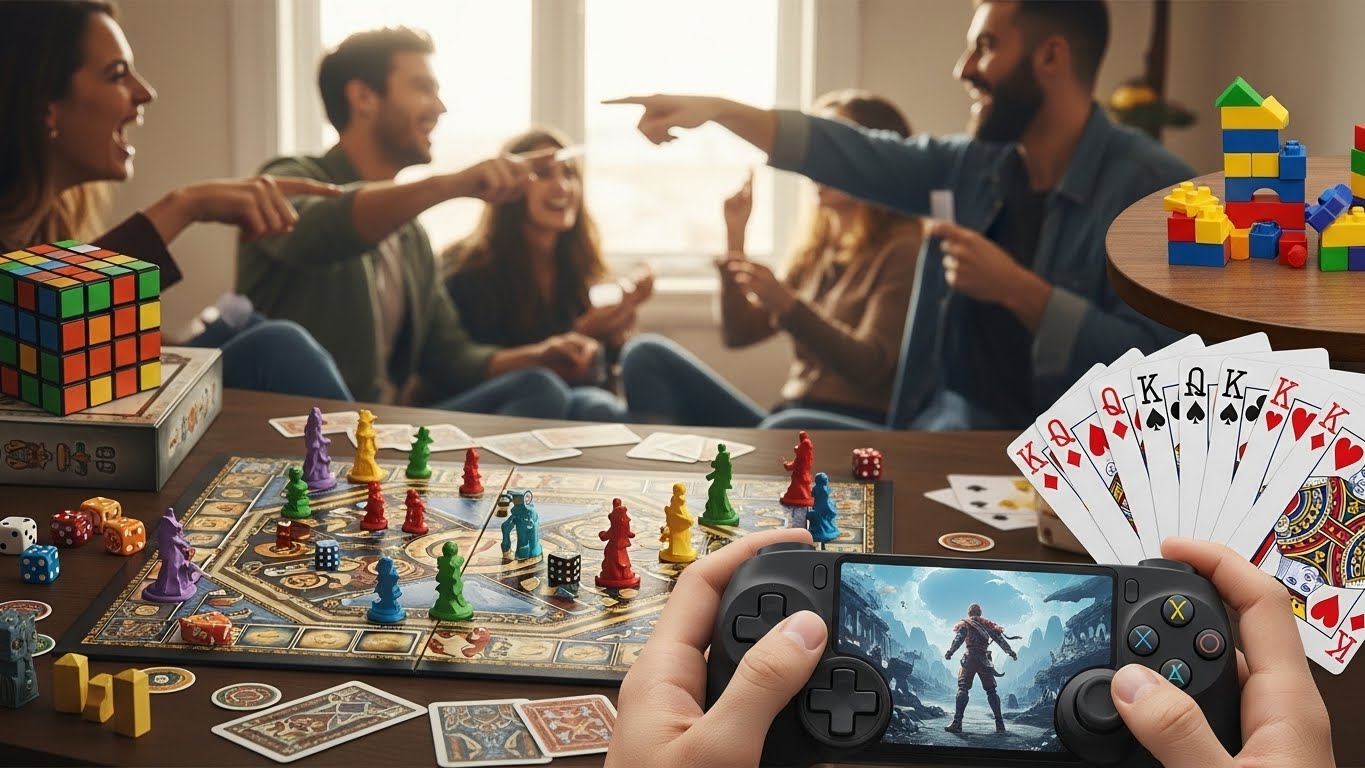
The world of gaming has evolved from simple pixelated screens to immersive universes that push the boundaries of creativity and technology. What started as a pastime for the few has now become a global phenomenon, with millions of people playing games across various platforms such as consoles, PCs, and mobile devices. The gaming landscape is vast, with genres ranging from action-packed shooters to brain-teasing puzzle games. But with the rapid rise of new technologies, how are games evolving, and what trends are shaping the future of gaming? In this guide, we’ll explore the current state of games, examine popular genres, and discuss what the future holds for players and developers alike.
The Ever-Evolving World of Gaming
Gaming is no longer a niche activity; it is an integral part of modern culture. Whether you are a casual player or a hardcore gamer, there is something for everyone. Over the years, the gaming industry has expanded exponentially, thanks to advancements in technology, the rise of online multiplayer experiences, and the diversification of gaming platforms.
A game can now be played on a wide variety of devices, from consoles like PlayStation, Xbox, and Nintendo Switch, to PCs with powerful graphics cards, to smartphones and tablets. This accessibility has transformed gaming into a mainstream activity, attracting people of all ages and backgrounds. With such a broad range of options, the question becomes: what makes a game truly great, and how do developers continue to push the envelope in terms of gameplay, storytelling, and innovation?
The Rise of Different Gaming Genres
One of the most remarkable aspects of the gaming world is its diversity of genres. Whether you prefer the adrenaline rush of first-person shooters or the strategic depth of role-playing games, there is a genre for every type of gamer. Here are some of the most popular genres that have gained traction over the years:
Action Games: Fast-Paced and Exciting
Action games have been a staple of the gaming world for decades. These games are known for their fast-paced gameplay and high levels of excitement. From platformers like Super Mario to modern open-world adventures such as Grand Theft Auto V, action games often involve a combination of combat, exploration, and problem-solving.
One key aspect of action games is the immediate gratification they offer. Players are often tasked with completing missions or objectives that require quick reflexes and strategic thinking. With advances in graphics and physics, action games have become more immersive, with lifelike animations and destructible environments that keep players engaged for hours.
Role-Playing Games (RPGs): Deep Stories and Character Development
Role-playing games (RPGs) have a loyal following due to their focus on storytelling and character development. Unlike other genres that prioritize fast action, RPGs allow players to dive deep into intricate worlds and experience epic stories. Games like The Witcher 3: Wild Hunt and Final Fantasy XV offer expansive worlds filled with memorable characters, quests, and lore.
In RPGs, players often take on the role of a protagonist who can make meaningful choices that impact the world and the story’s outcome. These games emphasize exploration, decision-making, and dialogue, providing a unique and immersive experience. RPGs can vary from single-player experiences to massively multiplayer online RPGs (MMORPGs) like World of Warcraft, where thousands of players interact in real-time.
Sports and Racing Games: Realism and Competition
For fans of sports, video games provide an opportunity to experience the thrill of the game from the comfort of their home. Sports games like FIFA, NBA 2K, and Madden NFL bring the excitement of real-world sports to virtual arenas. These games allow players to control their favorite teams or athletes, compete in leagues, and experience the highs and lows of professional sports.
Similarly, racing games like Gran Turismo and Forza Horizon offer realistic driving simulations and high-speed thrills. Racing games have evolved over the years, incorporating advanced physics engines and stunning graphics to deliver realistic driving experiences. Whether you are a casual player or a competitive racer, these games allow you to push the limits of speed and precision.
Puzzle Games: Stimulating the Mind
Puzzle games are perfect for players who enjoy a mental challenge. These games typically involve problem-solving, logic, and pattern recognition. Titles like Tetris, Portal, and The Witness are examples of puzzle games that test a player’s ability to think critically and strategically.
While puzzle games may not have the action-packed excitement of other genres, they excel at providing a sense of accomplishment when players solve a particularly tricky puzzle or challenge. Many of these games incorporate minimalist design, which helps to keep the focus on the gameplay and problem-solving elements.
Simulation Games: Creating Worlds
Simulation games have seen a rise in popularity, especially in recent years. These games allow players to create and manage virtual worlds, often providing a sandbox environment where anything is possible. The Sims series is perhaps the most famous example of a life simulation game, allowing players to build homes, form relationships, and manage daily activities in a virtual world.
Simulation games can also cover a wide variety of themes, such as city-building (SimCity), farming (Stardew Valley), or even space exploration (Kerbal Space Program). What makes simulation games so appealing is their freedom. Players are given control over the environment, allowing them to experiment, create, and experience different scenarios.
Horror Games: Thrills and Chills
For players who enjoy the thrill of fear, horror games offer an intense and often terrifying experience. These games are designed to keep players on the edge of their seat, with dark environments, unsettling sounds, and intense gameplay. Popular titles in this genre include Resident Evil, Silent Hill, and Outlast.
Horror games often rely on atmosphere and psychological tension rather than sheer gore. The sense of vulnerability and the unknown are key elements that make horror games so compelling. With advancements in graphics and sound design, the horror genre has evolved, offering more immersive and terrifying experiences than ever before.
The Impact of Technology on Modern Games
The evolution of gaming would not be possible without the rapid advancements in technology. From enhanced graphics to powerful gaming consoles, technology has revolutionized the gaming experience. Let’s take a look at some of the key technological innovations that have shaped modern games:
Virtual Reality (VR) and Augmented Reality (AR)
Virtual reality (VR) and augmented reality (AR) have taken gaming to a whole new level. VR gaming allows players to fully immerse themselves in a digital world, offering an unprecedented sense of presence. With VR headsets like the Oculus Rift and PlayStation VR, players can step into their favorite games and interact with the environment as if they were actually there.
On the other hand, AR overlays digital elements onto the real world, creating a more interactive and engaging experience. Games like Pokémon GO use AR technology to blend the virtual and real worlds, encouraging players to explore their surroundings while hunting for virtual creatures.
Cloud Gaming: The Future of Accessibility
Cloud gaming is another technology that is reshaping the industry. With services like Google Stadia, Xbox Cloud Gaming, and NVIDIA GeForce Now, players can stream games directly to their devices without the need for powerful hardware. This opens up gaming to a wider audience, as even those with lower-end devices can play high-quality games.
Cloud gaming also allows for greater flexibility, as players can start a game on one device and continue it on another without losing progress. As internet speeds continue to improve and cloud infrastructure expands, this technology will likely play an even more significant role in the future of gaming.
Artificial Intelligence (AI) and Machine Learning
Artificial intelligence (AI) has made significant strides in gaming, particularly in terms of NPC behavior and procedural content generation. In modern games, AI is used to create more realistic enemy behavior, dynamic storylines, and challenging gameplay. The use of machine learning algorithms can also lead to more personalized experiences, where the game adapts to the player’s actions and preferences.
AI is also being used to generate vast, procedurally created worlds, such as in Minecraft or No Man’s Sky. These games can generate nearly infinite landscapes, providing players with endless exploration opportunities.
The Future of Games
As technology continues to advance, the future of gaming looks incredibly exciting. Several trends and innovations are expected to shape the next generation of games:
More Immersive Experiences
With the development of VR, AR, and advanced graphics engines, games will become even more immersive in the future. We can expect more lifelike characters, expansive worlds, and experiences that blur the lines between the real and digital worlds. The potential for sensory immersion will allow players to experience games in entirely new ways.
Expanding Social Connectivity
Social connectivity will continue to play a vital role in the future of gaming. Multiplayer games, esports, and social gaming platforms are growing in popularity, allowing players to connect, collaborate, and compete with others around the globe. In the future, social elements will likely be incorporated into even more games, making it easier for players to communicate and share their experiences.
Increased Focus on Storytelling
As games become more sophisticated, storytelling will continue to evolve. We are already seeing deep, narrative-driven experiences in games like The Last of Us and Red Dead Redemption 2. In the future, interactive storytelling could become even more personalized, with players’ choices shaping the direction of the plot in more meaningful ways.
Conclusion
Games have come a long way since their humble beginnings, and the gaming industry shows no signs of slowing down. With technological advancements, a wide range of genres, and the increasing accessibility of gaming platforms, there has never been a better time to be a gamer. As we look to the future, we can expect even more innovation, with games becoming more immersive, social, and personalized than ever before. Whether you are a fan of action, RPGs, sports, or puzzle games,