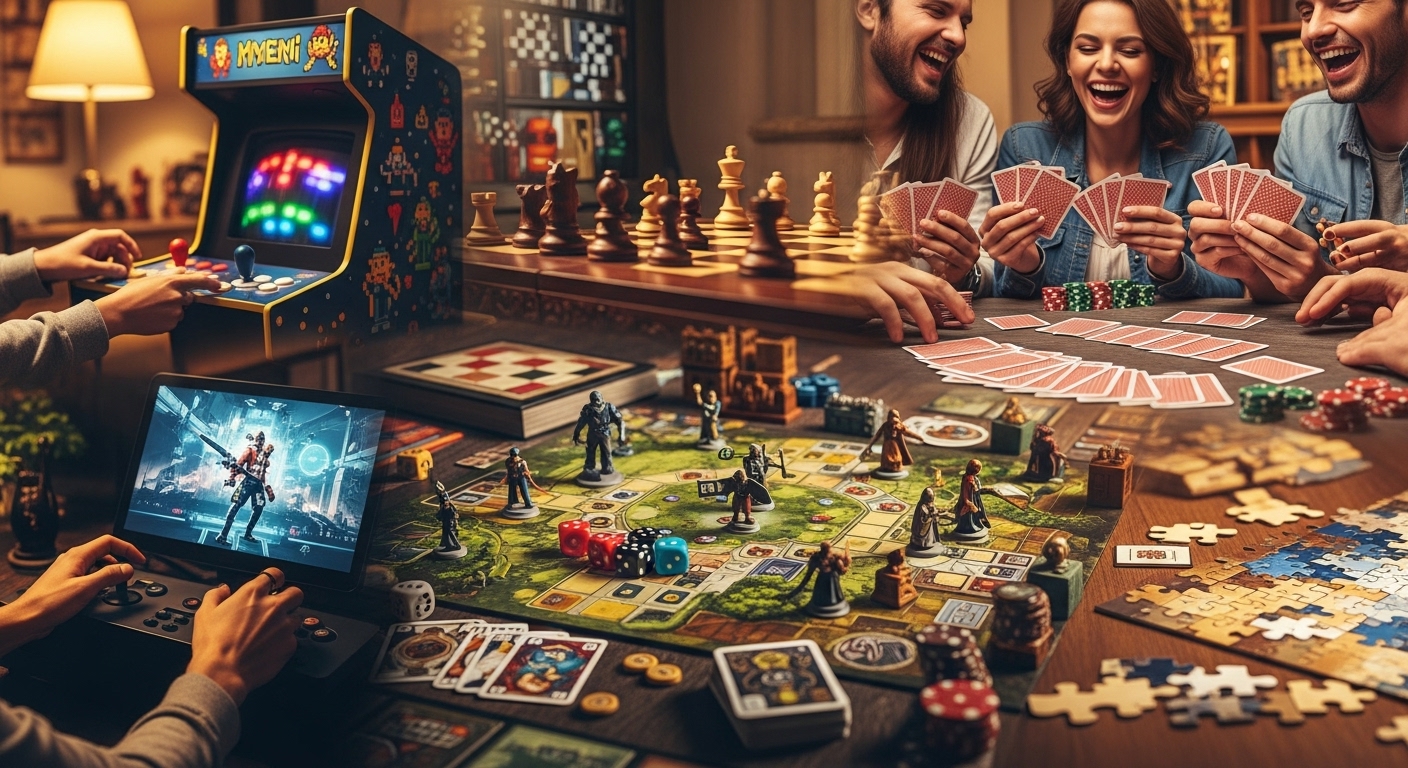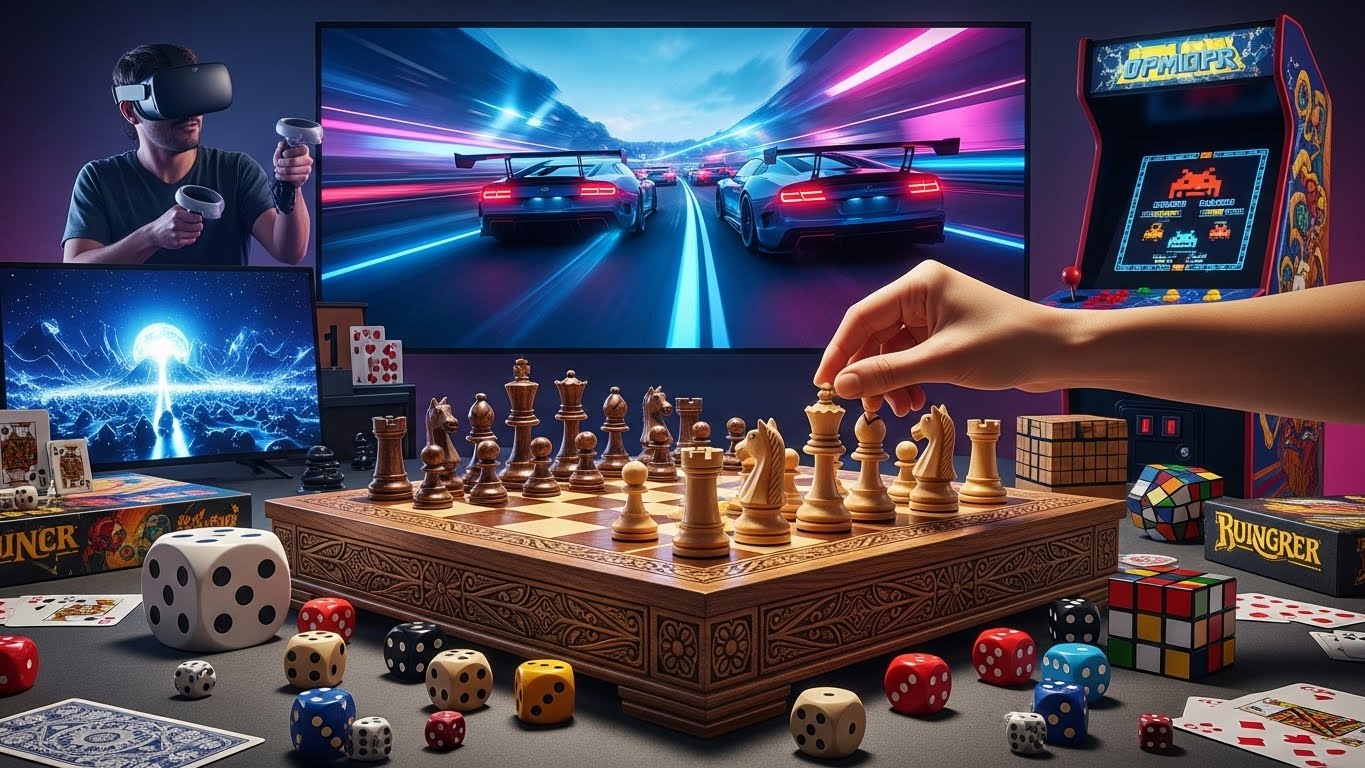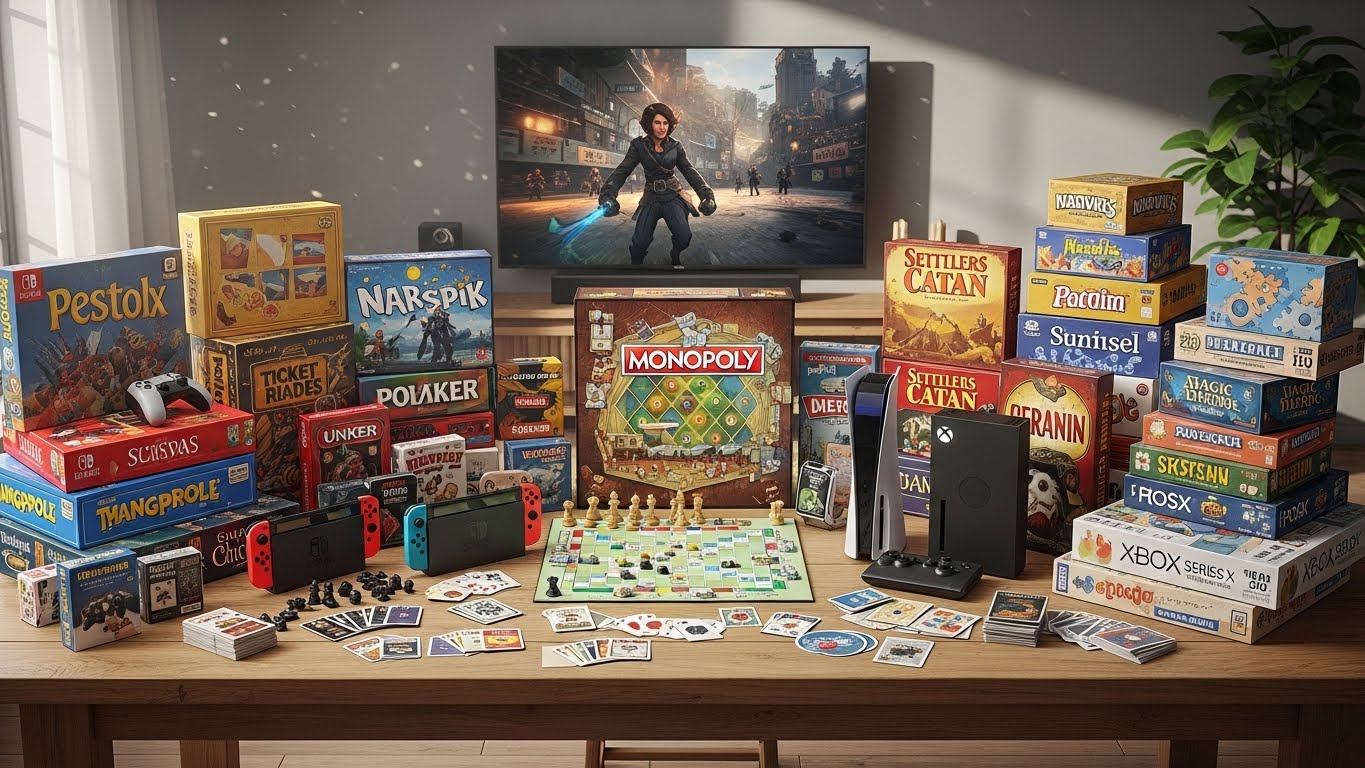
Games have been an integral part of human culture for centuries, evolving from simple board games to complex video games that push the boundaries of creativity and technology. Games are more than just a way to pass time; they are a medium for storytelling, social interaction, skill development, and even education. Whether it’s a traditional tabletop game or an immersive digital experience, games offer a unique blend of entertainment and challenge. In this blog post, we will explore the history of games, different types of games, their benefits, and how they continue to influence our world.
The History of Games
Games have existed since the earliest civilizations. Ancient societies created games to entertain, teach, and even prepare individuals for real-life challenges. Board games, dice, and physical challenges were common in Egypt, Mesopotamia, and China. For example, Senet, an Egyptian board game dating back over 5,000 years, is one of the earliest known games. These games often had cultural or religious significance and were a way for people to engage in strategic thinking and social bonding.
During the Middle Ages, games like chess and backgammon became popular in Europe. Chess, in particular, was not only a game of strategy but also a tool for developing critical thinking and tactical planning. Over time, games began to diversify, incorporating elements of chance, skill, and strategy, leading to the vast range of games we see today.
With the invention of electronic devices in the 20th century, games transitioned into the digital realm. The 1970s marked the beginning of modern video gaming, with titles like Pong bringing arcade-style games into mainstream culture. This era laid the foundation for the multi-billion-dollar video game industry we know today.
Different Types of Games
Games can be categorized in many ways, from physical to digital, competitive to cooperative, and casual to professional. Understanding the various types of games helps us appreciate their diversity and impact.
Board and Card Games
Board and card games are traditional games that have been enjoyed for generations. They encourage strategic thinking, social interaction, and patience. Popular board games like Monopoly, Scrabble, and Settlers of Catan challenge players to manage resources, plan strategies, and negotiate with others. Card games such as Poker, Bridge, and Uno combine skill, luck, and psychology, making them enduring favorites. These games are also an excellent way for families and friends to bond while developing problem-solving and decision-making skills.
Outdoor and Physical Games
Outdoor and physical games focus on movement, coordination, and teamwork. Sports like soccer, basketball, and tennis are not only competitive but also help build physical fitness, discipline, and resilience. Traditional games like tag, hide-and-seek, and hopscotch have entertained children for generations while promoting agility and creativity. Outdoor games are essential for healthy development, encouraging players to interact with their environment and with others.
Video Games
Video games are one of the fastest-growing segments of the gaming industry. They range from simple mobile games to complex console and PC games with immersive worlds and storylines. Video games are often categorized into genres such as action, adventure, role-playing, simulation, sports, strategy, and puzzle games. Each genre offers a unique experience, from the fast-paced challenges of action games to the deep storytelling of role-playing games.
Video games also offer opportunities for social interaction. Multiplayer online games allow players to compete or collaborate with others worldwide, creating communities and fostering teamwork. Esports, or competitive gaming, has become a professional arena where players compete for prizes and recognition, further highlighting the growing impact of digital games.
Educational Games
Educational games are designed to teach skills or knowledge while providing entertainment. They can be digital or physical and often combine challenges with learning objectives. Examples include language learning games, math puzzles, and history trivia. These games make learning engaging and interactive, helping players develop cognitive skills and retain information more effectively.
The Benefits of Playing Games
Games offer numerous benefits beyond entertainment. They help develop cognitive, social, and emotional skills while providing a safe space for creativity and problem-solving.
Cognitive Development
Many games, especially strategy and puzzle games, enhance critical thinking, decision-making, and problem-solving abilities. Games that require planning, resource management, or quick reactions help improve mental agility. Chess, for example, has been shown to enhance memory, concentration, and logical reasoning skills. Video games that challenge players with complex scenarios also contribute to cognitive development, encouraging players to think creatively and strategically.
Social Interaction
Games are a social activity, bringing people together and encouraging cooperation, communication, and healthy competition. Board games, sports, and multiplayer video games foster collaboration and team-building skills. They also provide opportunities for making new friends and strengthening existing relationships. Online communities built around games create connections across borders, enabling players to share experiences and build friendships worldwide.
Emotional and Psychological Benefits
Playing games can reduce stress, improve mood, and provide a sense of achievement. Games offer a safe space for players to experiment, fail, and succeed, helping build resilience and self-confidence. Engaging in competitive or challenging games allows individuals to experience excitement and satisfaction, which can contribute to overall well-being. Additionally, creative games like building simulations and role-playing games provide an outlet for imagination and self-expression.
Physical Benefits
Physical games and sports promote fitness, coordination, and overall health. Regular participation in outdoor activities improves cardiovascular health, muscle strength, and flexibility. Even video games with motion controls or virtual reality can encourage physical activity, helping players stay active while having fun. Physical games also teach discipline, perseverance, and teamwork, which are valuable life skills.
The Cultural Impact of Games
Games are more than just entertainment; they are a reflection of culture and society. They influence art, storytelling, and technology while shaping social interactions.
Storytelling and Creativity
Modern video games are a platform for storytelling and creative expression. Many games feature complex narratives, rich character development, and immersive worlds that rival movies and literature. Games like The Last of Us, Red Dead Redemption, and Journey explore deep themes and emotions, demonstrating that games can be a form of art. Creativity in game design also extends to music, graphics, and world-building, providing unique experiences for players.
Esports and Competitive Gaming
Esports has transformed gaming into a professional sport with organized competitions, sponsorships, and global audiences. Games like League of Legends, Dota 2, and Counter-Strike have professional leagues where players compete at the highest level. Esports not only provides entertainment but also career opportunities for professional players, commentators, and game developers. The rise of esports has elevated gaming’s status in mainstream culture, demonstrating its potential as a legitimate and respected competitive field.
Games in Education and Skill Development
Educational games and gamification have become important tools in classrooms and workplaces. Games engage learners, making education more interactive and enjoyable. They also help develop practical skills such as problem-solving, teamwork, and time management. Gamified learning systems encourage motivation and participation, demonstrating the power of games beyond recreation.
The Future of Games
The gaming industry continues to evolve rapidly, driven by technological advancements and changing player expectations. Emerging trends suggest a future where games will be even more immersive, interactive, and socially connected.
Virtual Reality and Augmented Reality
Virtual reality and augmented reality are transforming the gaming experience. VR offers fully immersive worlds where players can interact with their environment in unprecedented ways. AR blends digital elements with the real world, creating unique experiences that combine physical and virtual play. These technologies will continue to push the boundaries of creativity and engagement in games.
Mobile and Cloud Gaming
Mobile gaming has become a dominant force, providing access to games on the go. Cloud gaming allows players to stream high-quality games without the need for expensive hardware, making gaming more accessible than ever. These innovations will expand the reach of gaming and create new opportunities for players and developers alike.
Artificial Intelligence in Games
Artificial intelligence is increasingly being used to enhance game design, create adaptive gameplay, and improve player experiences. AI can generate realistic NPC behavior, procedural content, and personalized challenges, making games more dynamic and engaging. The integration of AI will continue to revolutionize how games are played and experienced.
Conclusion
Games are an essential part of human culture and continue to evolve in fascinating ways. They entertain, educate, and connect people across the world, offering countless opportunities for creativity, skill development, and social interaction. From traditional board games to cutting-edge virtual reality experiences, games shape the way we play, think, and interact with the world. As technology advances, the future of games promises even more immersive, innovative, and impactful experiences for players of all ages. The power of play is undeniable, and its influence will continue to grow for generations to come.