Introduction: The Power of Play
Games have been a central part of human society for centuries. They are more than simple pastimes; they are tools for learning, social interaction, competition, and creativity. From ancient board games to modern video games, the act of playing has shaped cultures, built communities, and sparked innovation.
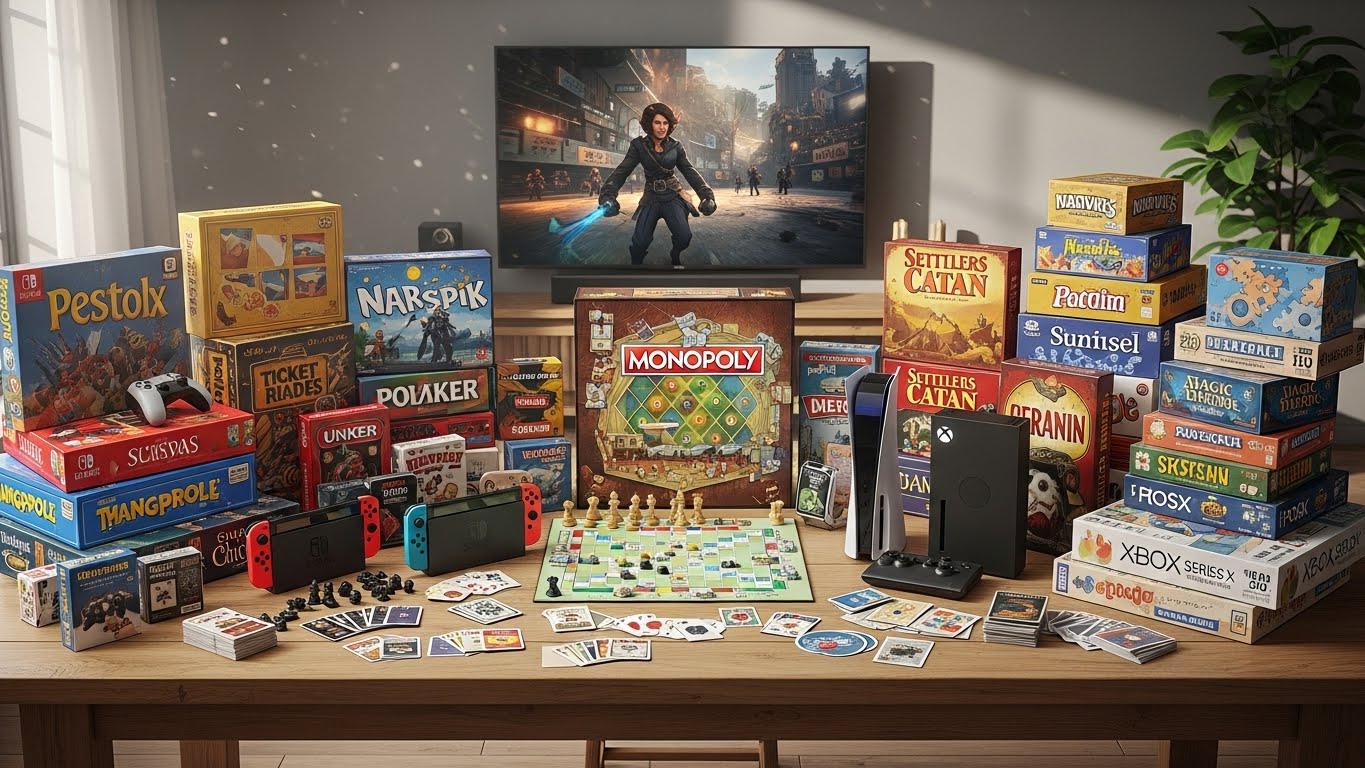
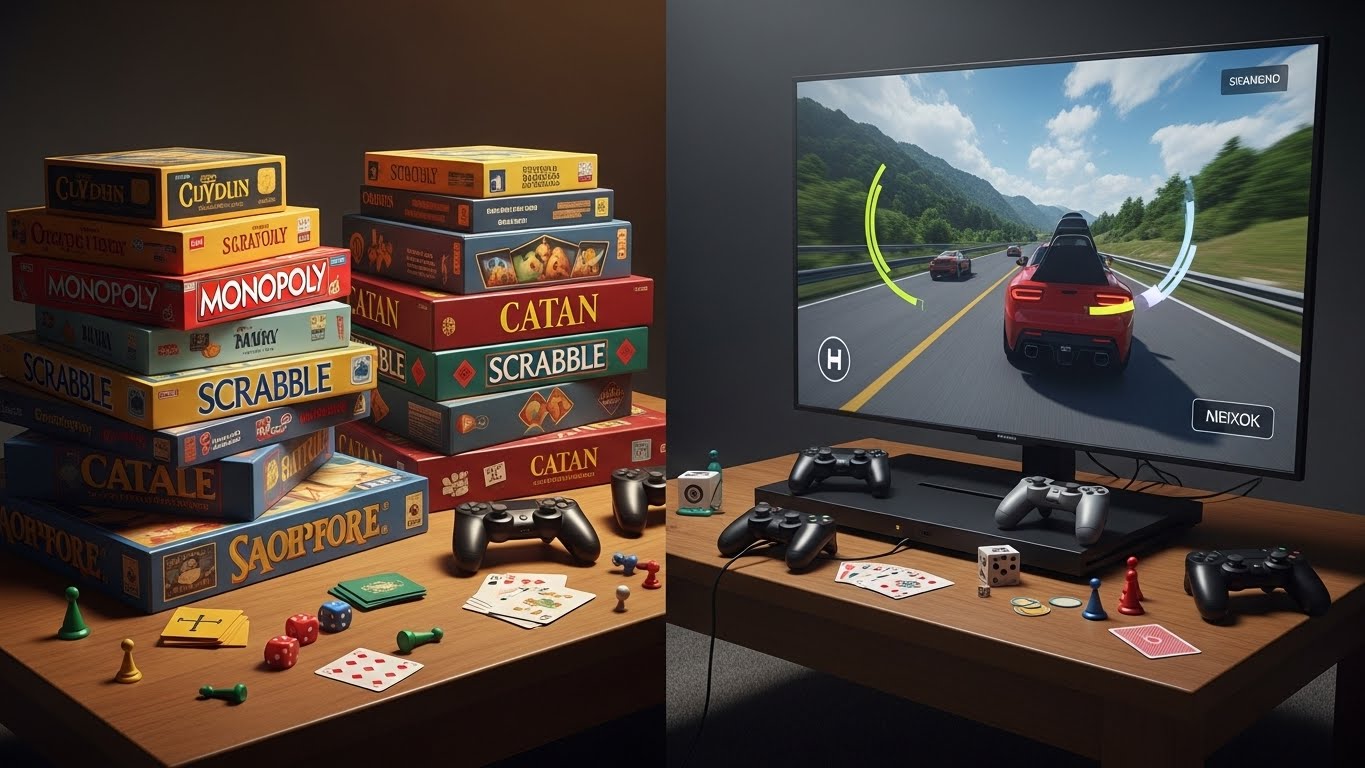
In today’s world, games encompass multiple forms: traditional board games, card games, sports, puzzles, and digital games on computers, consoles, and mobile devices. Each type offers unique experiences, catering to different interests, skills, and social dynamics. This blog explores the evolution of games, their cultural significance, cognitive benefits, and their role in shaping entertainment in modern life.
A Historical Perspective on Games
Games have existed for thousands of years, reflecting human curiosity and the desire for challenge and competition. Ancient civilizations played strategic board games, dice games, and physical contests to sharpen their skills and entertain communities. Chess, one of the most iconic games in history, originated in India and spread across continents, influencing strategy and critical thinking for centuries.
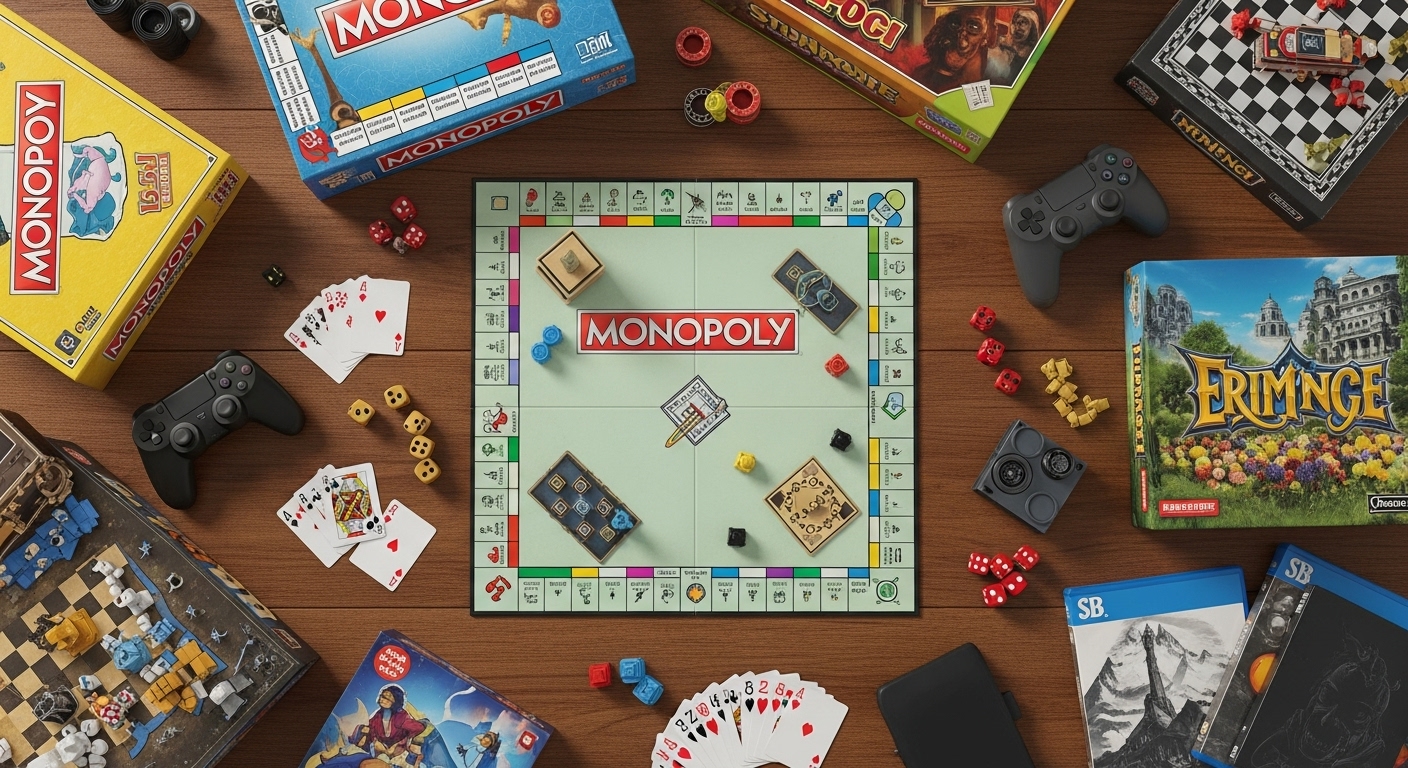
Traditional games often served more than entertainment purposes. They taught rules, discipline, teamwork, and even survival skills. As societies evolved, games adapted, becoming more complex, competitive, and widely accessible. The invention of playing cards, dice, and modern board games expanded the ways people engaged in playful activities, laying the foundation for contemporary gaming culture.
Digital Games and the Modern Revolution
The rise of digital technology transformed gaming, creating immersive and interactive experiences. Video games, mobile games, and online platforms allowed players to explore virtual worlds, solve complex problems, and compete globally.
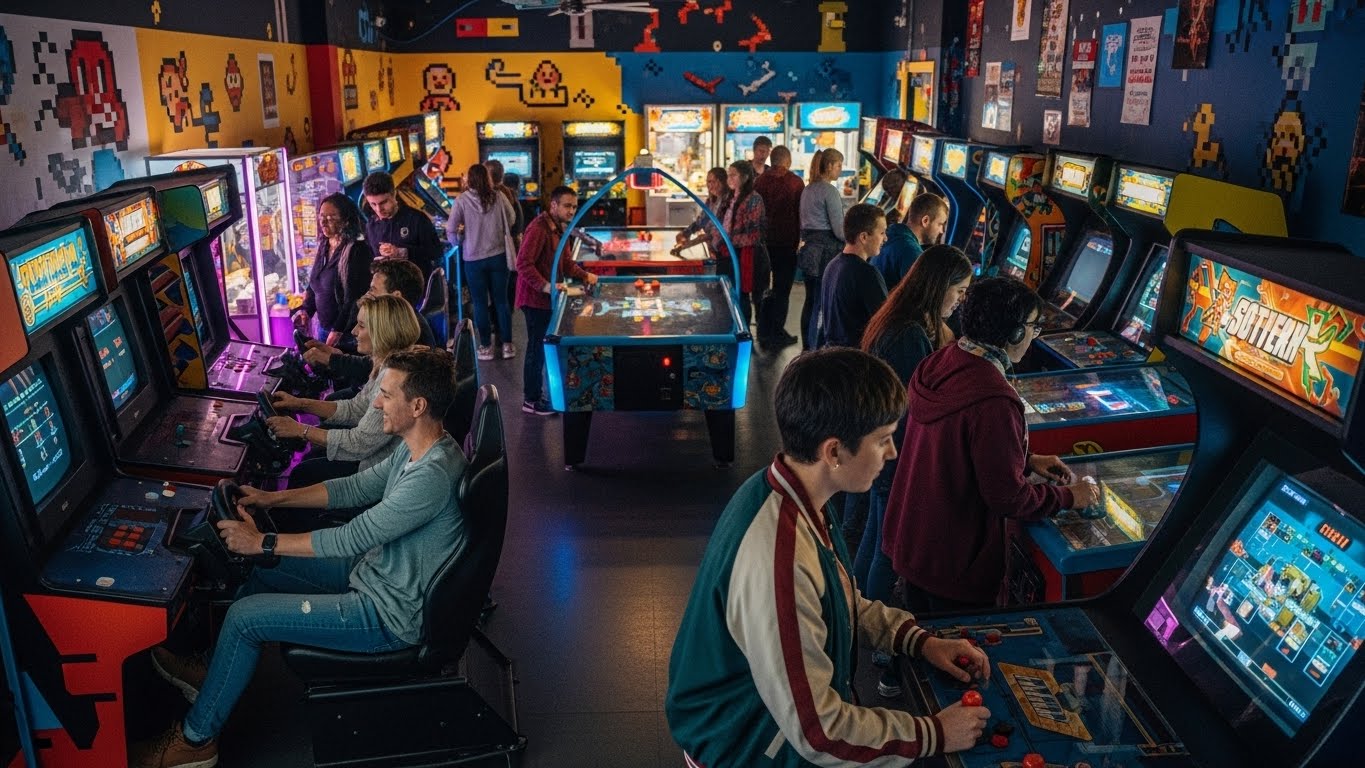
From early arcade games like Pong to sophisticated role-playing games and massively multiplayer online worlds, digital games revolutionized entertainment. Modern games offer rich storytelling, lifelike graphics, strategic challenges, and social connectivity. This transformation has made games a central form of cultural expression and a major industry with global influence.
Popular Genres of Games
Games are incredibly diverse, offering something for every type of player.
Action games focus on fast-paced gameplay, requiring reflexes, strategy, and precision. Combat, exploration, and survival challenges are common elements.
Adventure games emphasize storytelling, exploration, and problem-solving. Players engage with narratives and make decisions that impact the game world.
Puzzle and strategy games challenge the mind, promoting logic, creativity, and planning. They range from simple mobile puzzles to complex strategic simulations.
Role-playing games (RPGs) allow players to develop characters, navigate expansive worlds, and experience rich storylines. Choices and consequences are central to gameplay.
Sports and simulation games replicate real-world experiences, from soccer matches to city-building simulations. They combine entertainment with skill development and strategy.
Casual and mobile games are designed for accessibility, providing short, engaging gameplay suitable for all ages. These games often encourage creativity, competition, and social interaction.
This diversity ensures that gaming appeals to a broad audience, making it a truly inclusive form of entertainment.
Social Dynamics in Gaming
Games have always been social. Traditional board games bring families and friends together, fostering communication, collaboration, and friendly competition. Digital games have expanded this social dimension globally. Online multiplayer games connect people across continents, creating communities where players collaborate, compete, and form lasting friendships.
Gaming also promotes teamwork, leadership, and problem-solving. Cooperative games require coordination and strategy, teaching players to communicate effectively and adapt to challenges. Communities often form around shared gaming interests, providing a sense of belonging and collective identity.
Cognitive and Educational Benefits of Games
Beyond entertainment, games offer significant cognitive benefits. Strategy games and puzzles enhance critical thinking, planning, and analytical skills. Action games improve reflexes, hand-eye coordination, and spatial awareness. Role-playing and simulation games stimulate creativity, imagination, and decision-making.
Educational games and gamified learning platforms combine play with knowledge acquisition. Players can learn history, science, language, and mathematics in interactive and engaging ways. Games encourage experimentation, resilience, and problem-solving, making learning enjoyable and effective.
Competitive Gaming and Esports
Competitive gaming, or esports, has transformed games into professional and spectator events. Players compete in organized tournaments, often with substantial prize pools. Popular esports titles include first-person shooters, strategy games, and multiplayer online battle arenas.
Professional gamers train rigorously, focusing on strategy, skill, teamwork, and performance analytics. Esports also includes careers in content creation, broadcasting, coaching, and event management. The rise of esports demonstrates that games are not only entertainment but also a legitimate career path and a global cultural phenomenon.
The Cultural Significance of Games
Games reflect societal values, trends, and creativity. They explore narratives, social issues, and historical events, providing a platform for reflection and dialogue. Iconic games influence art, fashion, and storytelling, becoming cultural touchstones.
Communities form around games, celebrating shared interests through fan art, cosplay, online forums, and tournaments. These interactions foster identity, creativity, and social cohesion. Games are thus a mirror of society and a medium through which culture is expressed and shared.
Technological Advancements in Gaming
Technology drives the evolution of games. Advances in graphics, artificial intelligence, virtual reality, and cloud computing have expanded the possibilities of interactive entertainment.
Virtual reality immerses players in lifelike environments, providing unparalleled engagement. Augmented reality blends digital content with the real world, creating unique gameplay experiences. Cloud gaming enables access to high-quality games on multiple devices without the need for expensive hardware.
Artificial intelligence enhances gameplay by creating adaptive challenges, personalized experiences, and intelligent non-player characters. These innovations continue to push the boundaries of what games can offer, shaping the future of entertainment.
Mental Health and Well-Being in Gaming
Games offer psychological and emotional benefits. They provide relaxation, stress relief, and a sense of achievement. Multiplayer and cooperative games foster social interaction, reducing feelings of isolation.
However, balance is crucial. Excessive gameplay or exposure to toxic environments can negatively impact mental health. Responsible gaming practices, such as taking breaks, maintaining physical activity, and engaging in positive communities, ensure that games remain a healthy and enriching activity.
The Future of Games
The future of gaming promises continued innovation and expansion. Advancements in virtual reality, augmented reality, artificial intelligence, and cloud computing will create more immersive, interactive, and personalized experiences.
Games will increasingly intersect with education, social platforms, and professional opportunities. Virtual worlds and interactive storytelling may redefine how people play, learn, and connect. As gaming technology evolves, it will continue to influence culture, entertainment, and society at large.
Conclusion: Games as a Reflection of Human Creativity
Games are far more than entertainment—they are a reflection of human imagination, creativity, and social connection. From ancient board games to modern digital platforms, games have evolved alongside technology and society, shaping culture, cognition, and community.
They foster learning, teamwork, problem-solving, and creativity while providing joy, challenge, and engagement. Competitive gaming and esports demonstrate the professional and cultural significance of games, while technological innovations continue to expand possibilities.
Ultimately, games are a universal form of expression that bridge generations, cultures, and communities. They allow people to explore, compete, collaborate, and connect, reflecting the limitless potential of human play.