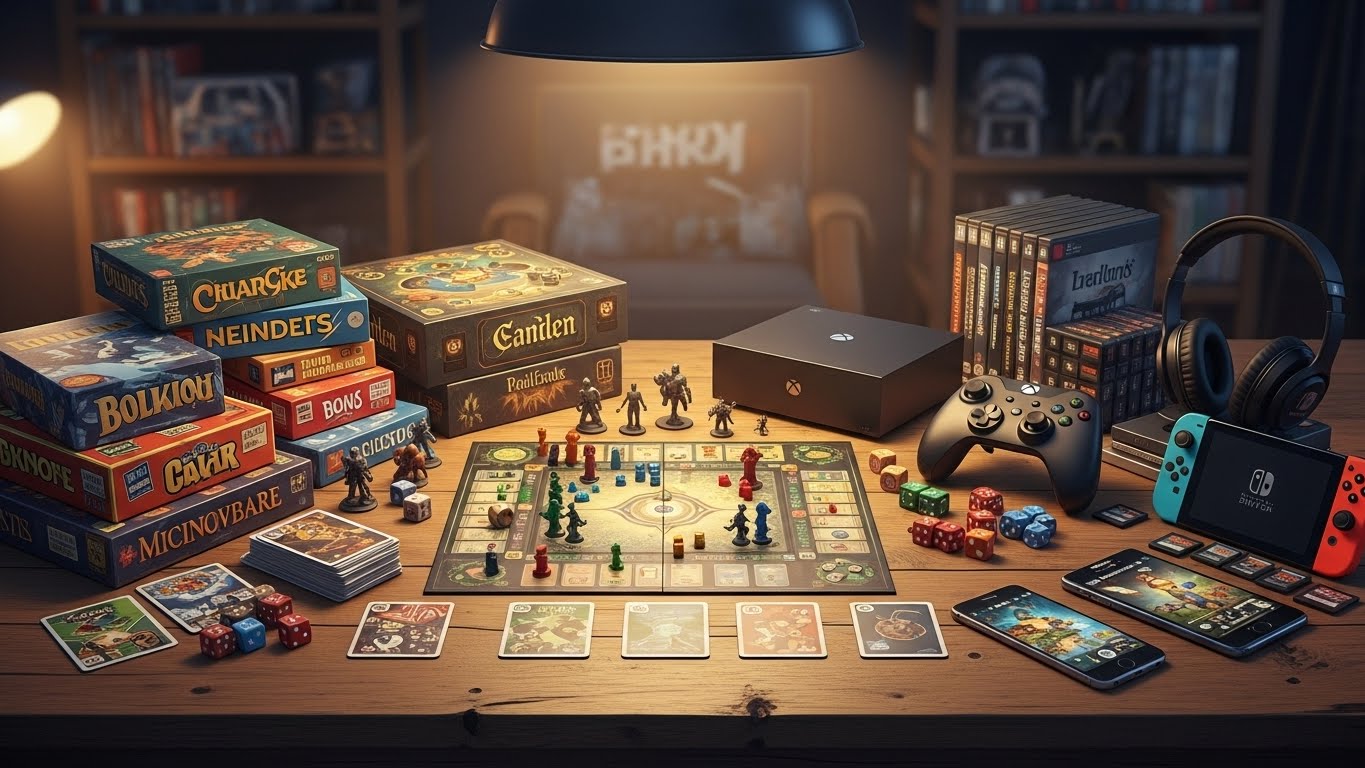
Games have always been an essential part of human culture, providing a means of entertainment, skill development, and social connection for centuries. From ancient board games like chess to the immersive virtual worlds of modern video games, the concept of play has evolved in countless ways. Whether you’re a casual player enjoying a few rounds of a mobile game or an esports enthusiast competing in high-stakes tournaments, games continue to shape how we experience leisure, creativity, and even learning. In this blog post, we will explore the diverse world of games, the impact they have on society, and the future of gaming as an evolving form of entertainment.
The Evolution of Games: From Simple Pastimes to Global Phenomena
Games have existed in some form for millennia, with evidence of ancient civilizations playing games for both enjoyment and ritualistic purposes. Early games were simple—often based on dice, strategy, or chance—and played using basic materials like stones, bones, or boards. The ancient Egyptians played games like Senet, while the Greeks and Romans had their own variants of dice games, board games, and physical sports.
However, it was the invention of more structured games, such as chess and card games, that marked a significant shift in how games were perceived and played. Chess, for example, has evolved over centuries into one of the most complex strategy games known to humanity, and card games like poker have transcended their humble beginnings to become staples of entertainment around the world.
The 20th century marked another transformative shift in the history of games. The invention of video games, starting with simple arcade games like Pong and Space Invaders, introduced an entirely new dimension of interactivity and visual engagement. These early video games laid the foundation for the digital gaming industry, which would grow into a multibillion-dollar global market by the 21st century.
Video Games: A Cultural and Economic Powerhouse
Today, video games represent one of the most significant cultural and economic forces worldwide. The gaming industry generates more revenue than the film and music industries combined, and its audience spans across all demographics—from children to adults, and from casual gamers to hardcore esports competitors. But what is it about video games that has made them so appealing and universally popular?
The Appeal of Interactive Storytelling
One of the core reasons video games have become so beloved is their ability to provide interactive storytelling experiences. Unlike passive forms of entertainment like television or film, video games allow players to actively participate in the narrative. Whether it’s a single-player role-playing game (RPG) like The Witcher 3 or an action-packed shooter like Call of Duty, video games immerse players in worlds where their decisions shape the outcome. This level of engagement is what draws people into these virtual realms, offering a sense of agency and control that other forms of entertainment cannot replicate.
Games like The Last of Us and Red Dead Redemption 2 feature incredibly detailed worlds and intricate plots, making players feel emotionally invested in the characters and their journeys. For many, these experiences are as meaningful as reading a novel or watching a movie. In fact, some game narratives have even been praised for their depth and emotional resonance, rivaling those of traditional storytelling mediums.
The Rise of Multiplayer and Online Gaming
In addition to single-player experiences, multiplayer and online gaming have revolutionized the way people connect with one another through play. The advent of the internet and high-speed connections enabled players to join massive online communities where they could compete, cooperate, or simply socialize with others from around the world.
Games like World of Warcraft, Fortnite, and Minecraft have become cultural phenomena because they offer players the chance to build friendships, form alliances, and compete in virtual environments. The social aspect of gaming has given rise to the concept of “gaming communities,” where players share strategies, discuss games, and even collaborate on creating content.
For some players, gaming is no longer just about playing a game—it’s about building a community and experiencing a shared journey with others. In multiplayer games, teams can work together to complete complex challenges or compete against each other for dominance, making the experience of gaming more immersive and exciting.
Mobile Games: Gaming in the Palm of Your Hand
While console and PC gaming have traditionally dominated the gaming industry, the rise of mobile games has brought gaming to the fingertips of millions of people around the world. The widespread availability of smartphones and tablets has made mobile gaming accessible to people of all ages, providing quick and engaging experiences that can be played anytime, anywhere.
Mobile games range from casual puzzle games like Candy Crush to more complex strategy games like Clash of Clans. One of the key factors in the success of mobile games is their accessibility. You don’t need expensive hardware or specialized equipment to enjoy a mobile game; a smartphone is enough to dive into an entertaining experience.
Mobile games have also become an essential part of social media culture, with games like Pokémon Go and Words with Friends encouraging players to interact with friends and strangers alike. These games often rely on social features like leaderboards, multiplayer modes, and achievements to create a sense of competition and community. The growth of mobile gaming has also led to a surge in free-to-play games, where players can download and play games without spending money upfront. In-app purchases, ads, and microtransactions provide a revenue model for developers, allowing them to create games that are accessible to a larger audience.
The Role of Esports: Gaming as a Professional Career
The rise of competitive gaming, also known as esports, has taken gaming to an entirely new level. Esports involves organized multiplayer video game competitions, often between professional players or teams, and has become a major part of the gaming world. Tournaments like The International for Dota 2 or League of Legends World Championship attract millions of viewers and offer substantial prize pools, making esports a serious professional career path for many talented gamers.
Esports has also gained recognition as a legitimate sport, with organizations and sponsors investing millions of dollars into the industry. Major brands, from Coca-Cola to Intel, have sponsored esports events, helping to legitimize competitive gaming and bringing it into the mainstream.
Esports players, known for their lightning-fast reflexes, strategic thinking, and ability to work within a team, have become celebrities in their own right. These players are often treated like athletes, receiving endorsements, streaming deals, and salaries that rival those of professional athletes in traditional sports.
The popularity of esports has also given rise to gaming as a spectator sport. People flock to arenas and watch tournaments in person, while millions more tune in online via streaming platforms like Twitch. The ability to watch skilled players battle it out in real-time has turned esports into a spectator event that attracts global audiences.
The Future of Games: Virtual Reality, Augmented Reality, and AI
As technology continues to advance, the future of gaming is filled with exciting possibilities. Two key technologies that will shape the next generation of games are virtual reality (VR) and augmented reality (AR). These technologies promise to take gaming to an entirely new level by making experiences more immersive than ever before.
Virtual Reality: A New Dimension of Play
Virtual reality allows players to enter fully immersive digital worlds, where they can interact with the environment and experience games in ways that were previously unimaginable. VR headsets, like the Oculus Rift or HTC Vive, offer players the chance to step inside games and experience them from a first-person perspective. This level of immersion takes gaming beyond traditional screens and controllers, allowing players to physically move and interact with the game world.
In the coming years, VR could revolutionize genres like first-person shooters, adventure games, and even sports simulations. Imagine playing a soccer game in a virtual stadium or exploring an alien planet while feeling the terrain beneath your feet. The possibilities are endless, and VR promises to be an exciting frontier for game developers and players alike.
Augmented Reality: Blending the Real and the Virtual
Augmented reality, on the other hand, overlays digital elements onto the real world, creating a blend of reality and virtual experiences. Games like Pokémon Go have already demonstrated the potential of AR, where players can interact with virtual characters in real-world environments. In the future, AR could take gaming even further, with players using their surroundings to solve puzzles, engage in battles, or explore new worlds.
Artificial Intelligence in Gaming
Artificial intelligence (AI) is already playing a significant role in gaming, from creating intelligent NPCs to powering procedural game design. In the future, AI could make games even more dynamic and responsive. Imagine a game where the story changes based on your decisions, or where enemies adapt to your playing style, creating a constantly evolving challenge.
AI could also be used to enhance player experience by generating personalized content, offering tailored in-game experiences, and improving gameplay mechanics in real-time. The integration of AI in game development could lead to highly sophisticated and adaptive virtual environments that feel more alive than ever before.
Conclusion: Gaming as an Art Form and a Way of Life
From ancient games to the virtual worlds of today, games have always been an essential part of human culture. As technology advances, the potential for games to provide more immersive, interactive, and meaningful experiences continues to grow. Whether for entertainment, social connection, or professional competition, games offer something for everyone, shaping not only how we play but also how we experience and interact with the world around us.
The future of gaming is exciting, with innovations in VR, AR, and AI paving the way for new forms of play and storytelling. As the lines between reality and the virtual world continue to blur, one thing is clear: games will continue to evolve, and they will remain an integral part of our lives for years to come.