Introduction: Games as a Universal Experience
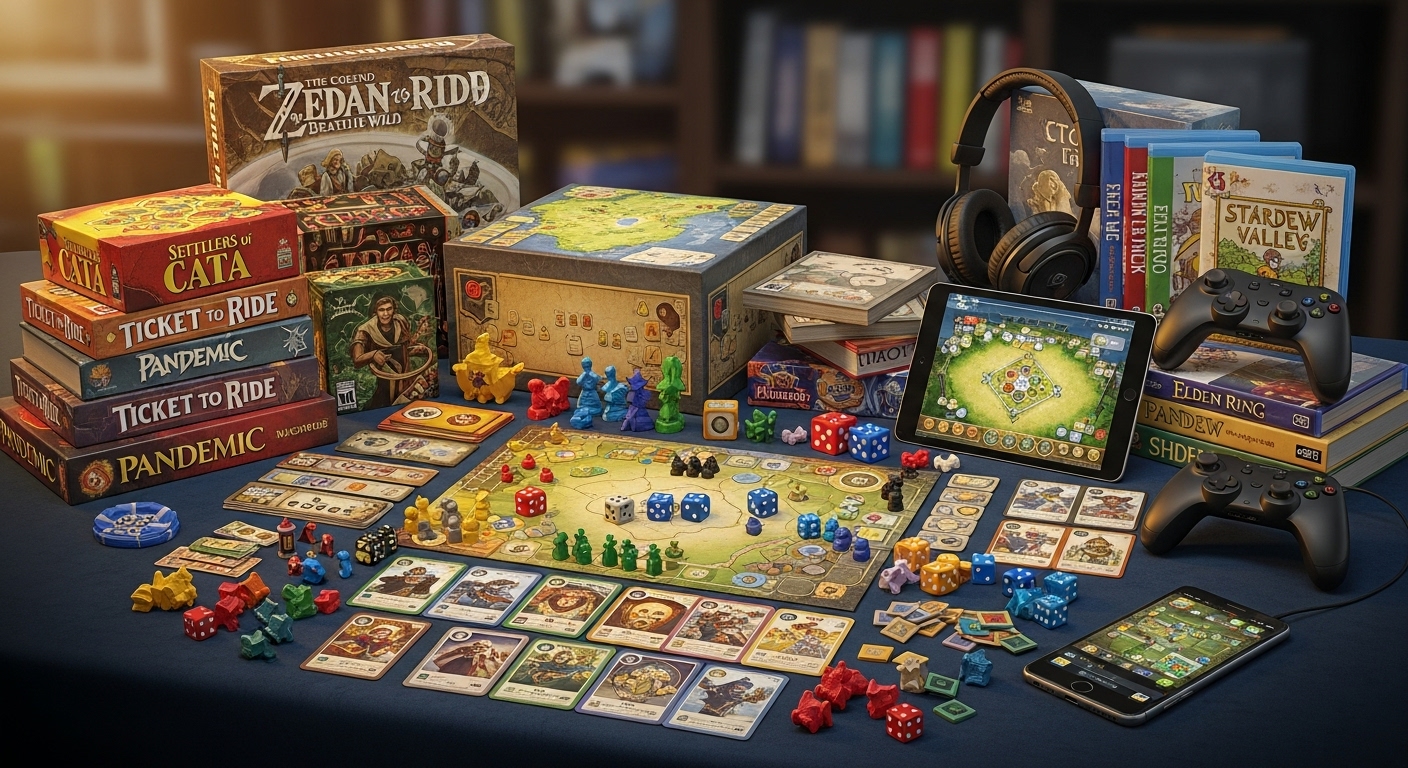
Games have always been a part of human culture. From ancient board games to modern digital adventures, they provide entertainment, challenge, and opportunities to connect with others. Games are not just about winning or losing—they stimulate imagination, encourage strategy, and bring people together in unique ways.
The Evolution of Games
Games have come a long way from their traditional roots. Early games focused on simple mechanics, such as dice, cards, or boards. Today, technological advancements have created immersive video games, interactive simulations, and virtual reality experiences. Whether digital or physical, games have evolved to be more engaging, dynamic, and accessible to players of all ages.
Games as a Learning Tool
Beyond entertainment, games have educational value. Strategy games enhance critical thinking, problem-solving, and decision-making skills. Puzzle games improve focus and cognitive abilities. Even digital simulations can teach real-world skills like resource management, planning, and teamwork. Games combine fun with learning, making them a powerful tool for personal growth.
Social Connections Through Gaming
Games are a platform for social interaction. Multiplayer games allow friends and strangers to collaborate, compete, and communicate. Board games and party games foster in-person connections, while online games create communities that span the globe. Sharing achievements, forming teams, and competing together strengthens relationships and builds a sense of belonging.
The Role of Technology in Modern Games
Modern technology has revolutionized gaming. High-definition graphics, artificial intelligence, and immersive sound design make experiences more engaging. Virtual reality and augmented reality push boundaries by creating worlds players can step into. Mobile and cloud gaming make it possible to enjoy games anytime, anywhere. Technology continues to expand what games can offer.
The Psychological Benefits of Playing Games
Playing games can also improve mental well-being. They reduce stress, improve mood, and provide an outlet for creativity. Cooperative games teach empathy and collaboration, while competitive games enhance resilience and perseverance. Games challenge the mind while offering an enjoyable escape from daily life.
The Future of Games
The future of games is full of exciting possibilities. Advancements in artificial intelligence, virtual reality, and interactive storytelling will make games more personalized and immersive. The integration of social, educational, and entertainment elements will create experiences that are more meaningful and engaging than ever before.
Conclusion: Games as a Cornerstone of Culture
Games are more than just a pastime—they are a reflection of human creativity, innovation, and connection. They entertain, educate, and inspire players of all ages. As technology evolves, games will continue to shape culture, challenge our minds, and bring people together in ways that are both fun and meaningful.