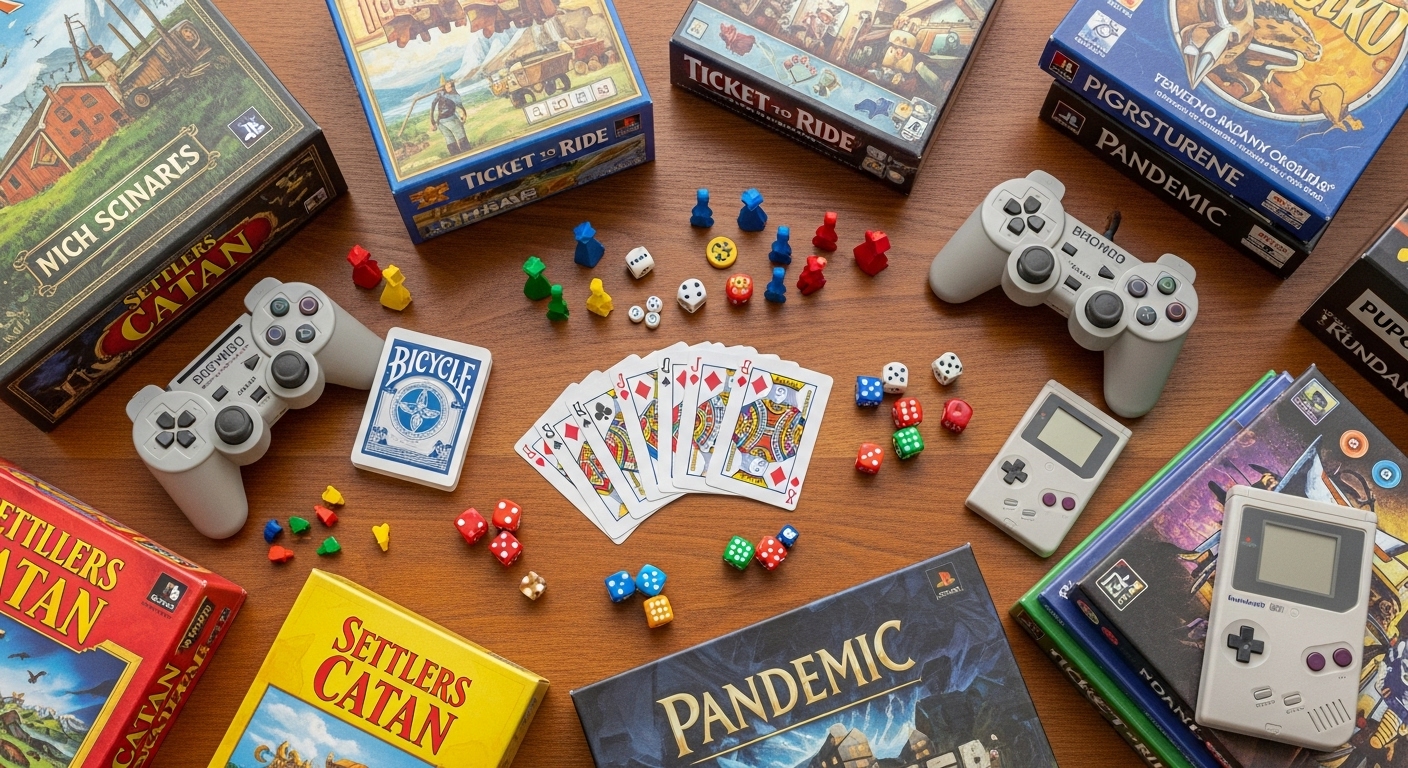
Introduction: Gaming as a Cultural Phenomenon
Gaming has evolved from a simple pastime into a major form of entertainment, culture, and technology. Once limited to arcades and home consoles, games now span multiple platforms including PCs, mobile devices, and virtual reality systems. The gaming industry has grown into a multi-billion-dollar global enterprise, influencing art, storytelling, social interaction, and even education.
The rise of gaming reflects more than technological advancement; it reflects a shift in how humans engage with stories, challenge themselves, and connect with others. From casual mobile apps to competitive esports tournaments, gaming offers experiences that blend entertainment, strategy, and community in unique ways.
The Evolution of Gaming: From Arcades to Virtual Worlds
The history of gaming dates back to the 1970s when early arcade games like Pong and Space Invaders first captured public attention. These simple games focused on scoring points, reaction times, and high scores. The 1980s and 1990s introduced more complex games such as Super Mario Bros., Street Fighter, and The Legend of Zelda, combining storytelling, exploration, and increasingly sophisticated gameplay mechanics.
The introduction of personal computers brought new genres such as real-time strategy, simulation, and role-playing games. Online connectivity in the late 1990s and early 2000s opened the door for multiplayer experiences and competitive gaming on a global scale. Today, gaming encompasses immersive 3D worlds, virtual reality, augmented reality, and cross-platform multiplayer games that bring millions of players together simultaneously.
Types of Games: Understanding the Variety
Gaming is not a monolithic activity; it encompasses a wide variety of genres and experiences. Some of the most popular types of games include:
Action Games: Fast-paced games requiring reflexes and hand-eye coordination, such as first-person shooters and platformers.
Role-Playing Games (RPGs): Games where players assume characters and explore story-driven worlds, making choices that affect outcomes.
Strategy Games: Games that emphasize planning, tactics, and resource management, including real-time and turn-based strategies.
Sports and Racing Games: Digital recreations of real-world sports or racing competitions, offering competitive gameplay and skill development.
Simulation Games: Games that mimic real-world activities, such as city building, flight simulation, or life simulation games.
Casual and Mobile Games: Short, accessible games designed for mobile devices, often emphasizing simple mechanics and addictive gameplay loops.
Multiplayer and Esports Titles: Competitive games that focus on player-versus-player interaction, often forming the basis of professional esports competitions.
The diversity of gaming genres ensures there is something for every type of player, from casual gamers to hardcore enthusiasts.
Technology in Gaming: Driving Immersion
The rapid advancement of technology has been central to gaming’s evolution. High-quality graphics, realistic physics engines, advanced AI, and immersive audio design all contribute to compelling gameplay experiences. Virtual reality and augmented reality have taken immersion to the next level, enabling players to interact with game environments in unprecedented ways.
Cloud gaming has emerged as a major innovation, allowing users to stream games without requiring high-end hardware. Artificial intelligence enhances NPC behavior, adaptive difficulty, and dynamic storytelling, creating personalized experiences for players. These technological innovations not only improve gameplay but also push the boundaries of creativity in game design.
Gaming as a Social Platform
Gaming has transformed social interaction, creating communities and connections that span the globe. Multiplayer games, online forums, streaming platforms, and esports tournaments enable players to interact, collaborate, and compete in real time.
Games such as Fortnite, Minecraft, and World of Warcraft have fostered social experiences that extend beyond gameplay. Players form friendships, build teams, and participate in collaborative projects within digital worlds. Streaming platforms allow content creators to share gameplay and engage audiences, creating new forms of entertainment and community building.
The Rise of Esports
Esports, or competitive gaming, has elevated gaming to a professional level. Players and teams compete in tournaments with substantial prize pools, drawing millions of spectators online and offline. Popular esports titles include League of Legends, Dota 2, Counter-Strike: Global Offensive, and Valorant.
Esports has created new career opportunities for players, coaches, analysts, and content creators. It also brings together fans worldwide, turning digital competition into a spectator sport. The professionalization of esports has legitimized gaming as a serious and respected form of competition.
Educational and Cognitive Benefits of Gaming
While often viewed as entertainment, gaming offers numerous cognitive and educational benefits. Strategy games improve critical thinking, problem-solving, and decision-making skills. Puzzle games enhance memory and concentration, while role-playing games encourage creativity and narrative comprehension.
Educational games and gamified learning platforms combine gaming mechanics with academic content, making learning interactive and engaging. Studies have shown that certain games can improve spatial reasoning, multitasking, and even collaboration skills, highlighting gaming as a valuable tool for personal development.
Mobile Gaming: Gaming on the Go
Mobile gaming has expanded the reach of gaming to millions of users worldwide. Smartphones and tablets make it easy to play anywhere, anytime. Mobile games often feature short sessions, intuitive touch controls, and social connectivity, making them accessible to casual players.
Freemium models, microtransactions, and in-app purchases have created sustainable business models for developers while offering players a wide variety of content. Mobile gaming has transformed the industry, bringing gaming into everyday life and making it a universal form of entertainment.
The Economics of Gaming
The gaming industry is a major economic force, generating billions in revenue annually. Game development involves a wide range of professionals, including programmers, artists, designers, writers, and marketers. Revenue streams include game sales, subscriptions, downloadable content, and in-game purchases.
Gaming has also influenced adjacent industries, including streaming, hardware manufacturing, merchandise, and esports events. Governments benefit from taxes and job creation, while businesses see gaming as a platform for advertising, brand engagement, and innovation. The economics of gaming reflect its role as a significant driver of both culture and commerce.
Challenges in Gaming
Despite its growth, gaming faces challenges. Issues such as screen addiction, aggressive behavior, and excessive spending on microtransactions require attention. Cybersecurity, data privacy, and online harassment are additional concerns, especially in multiplayer environments.
Game developers and platforms are increasingly implementing parental controls, responsible gaming tools, and community moderation systems to address these challenges. Balancing entertainment with safety and well-being is crucial for sustaining gaming’s positive impact.
Gaming and Storytelling
One of gaming’s most remarkable aspects is its ability to tell stories interactively. Games are not just entertainment; they are immersive narratives that players influence through choice, strategy, and exploration. Role-playing games, adventure games, and narrative-driven titles offer complex characters, moral dilemmas, and branching storylines.
Interactive storytelling engages players in ways that traditional media cannot, creating emotional investment and personal connection. This narrative power has made games a respected art form and a medium for creative expression.
The Future of Gaming
The future of gaming promises even greater innovation. Advancements in virtual reality, augmented reality, artificial intelligence, and cloud gaming will continue to expand the possibilities of interactive entertainment. Cross-platform play, 5G connectivity, and blockchain-based gaming are likely to shape the next generation of gaming experiences.
Gaming will also continue to influence culture, education, and social interaction. As technology advances, games will become more immersive, inclusive, and interconnected, bridging the gap between virtual and real-world experiences. The gaming industry is poised for continued growth, creativity, and global impact.
Conclusion: Gaming as a Transformative Force
Gaming has evolved far beyond its humble beginnings, becoming a central component of modern entertainment, culture, and technology. It combines creativity, strategy, storytelling, and social interaction, creating experiences that are engaging, immersive, and meaningful.
From mobile apps to esports tournaments, gaming influences how people interact, learn, and connect. It offers cognitive benefits, career opportunities, and economic impact, making it a multifaceted phenomenon. As technology continues to advance, gaming will remain at the forefront of cultural and technological innovation, shaping the future of entertainment for generations to come.