Introduction
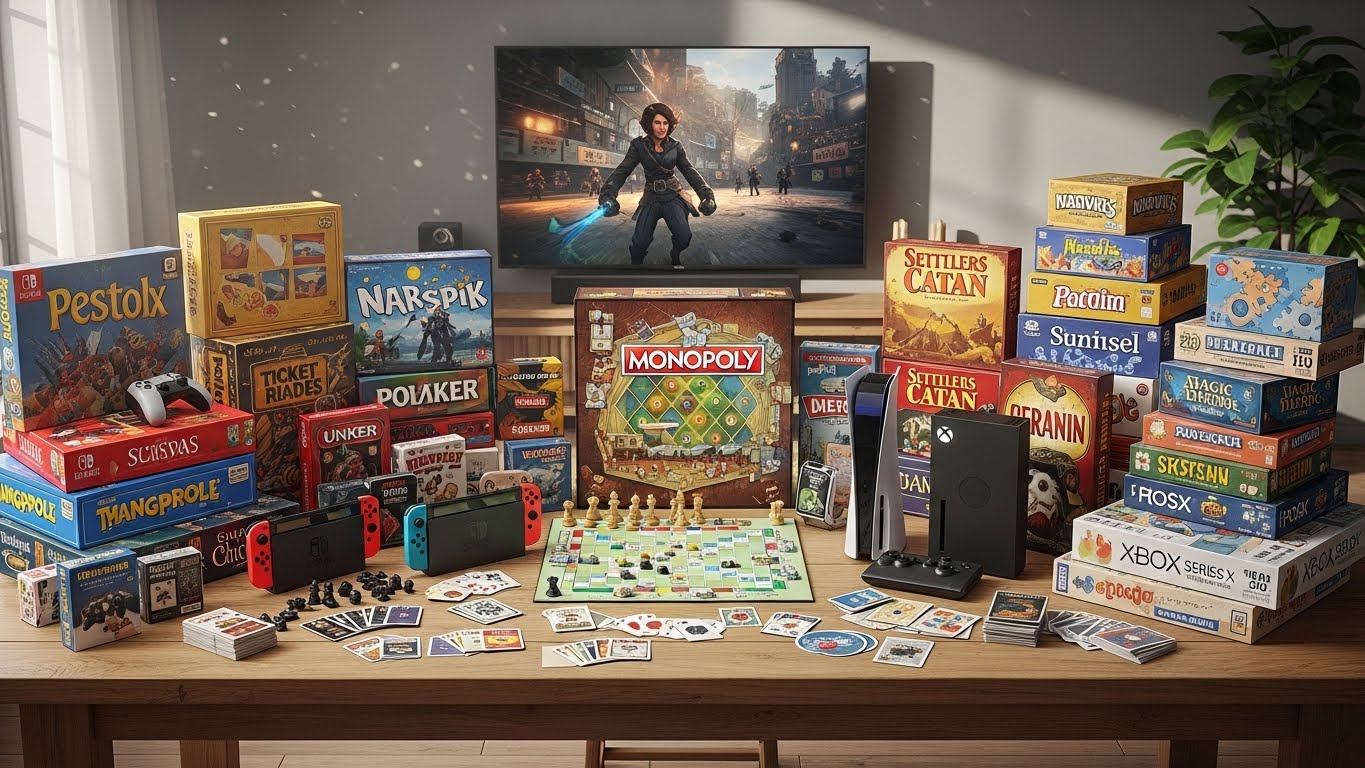
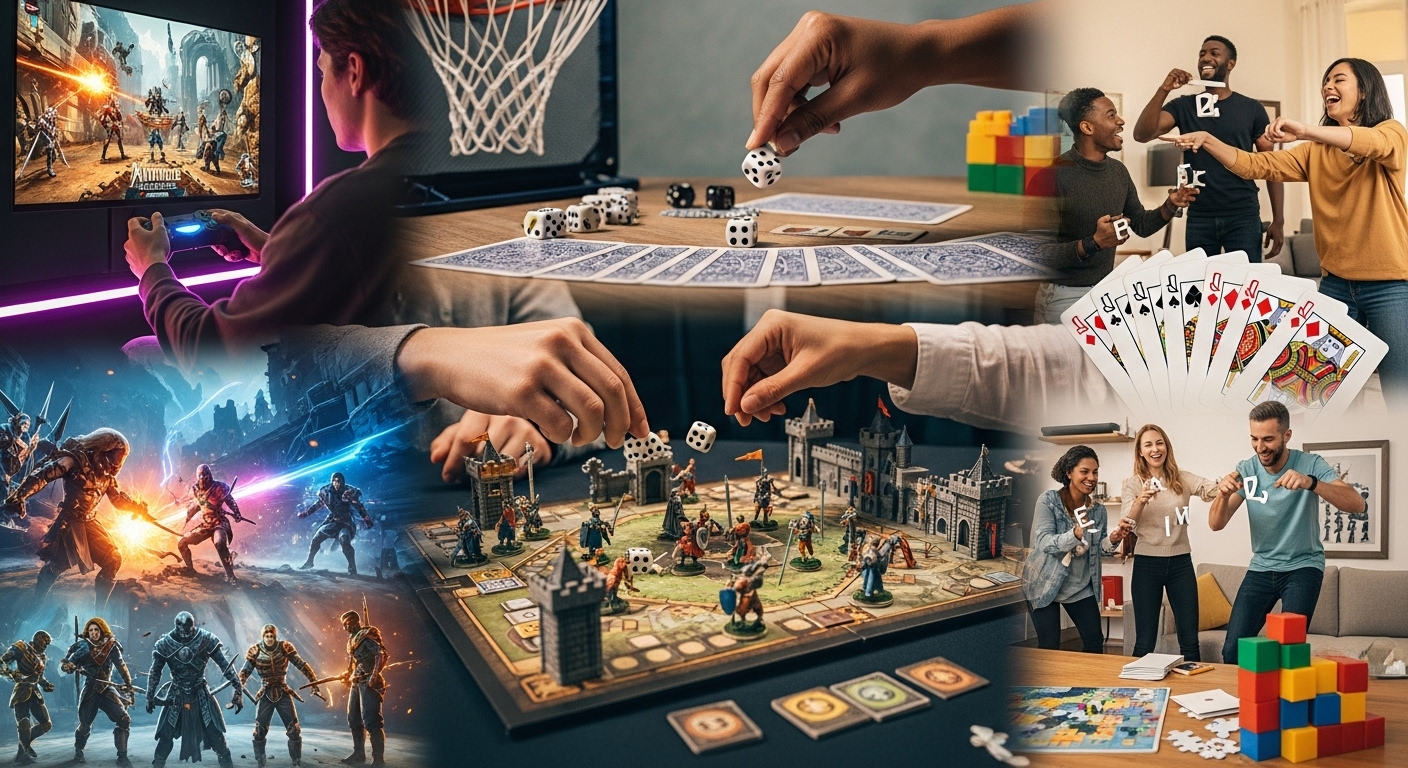
In the ever-evolving world of entertainment, games hold a place of unparalleled significance. From the earliest forms of human play to today’s cutting-edge digital experiences, games have shaped cultures, connected people, and sparked creativity. The journey of gaming is not just about fun and competition—it’s a reflection of humanity’s drive to explore new worlds, test limits, and share stories. Whether played for recreation, education, or social interaction, games continue to evolve in fascinating ways. This blog delves into the world of games, exploring their history, evolution, impact on society, and the emerging trends that will define the future of play.
The Origins of Games
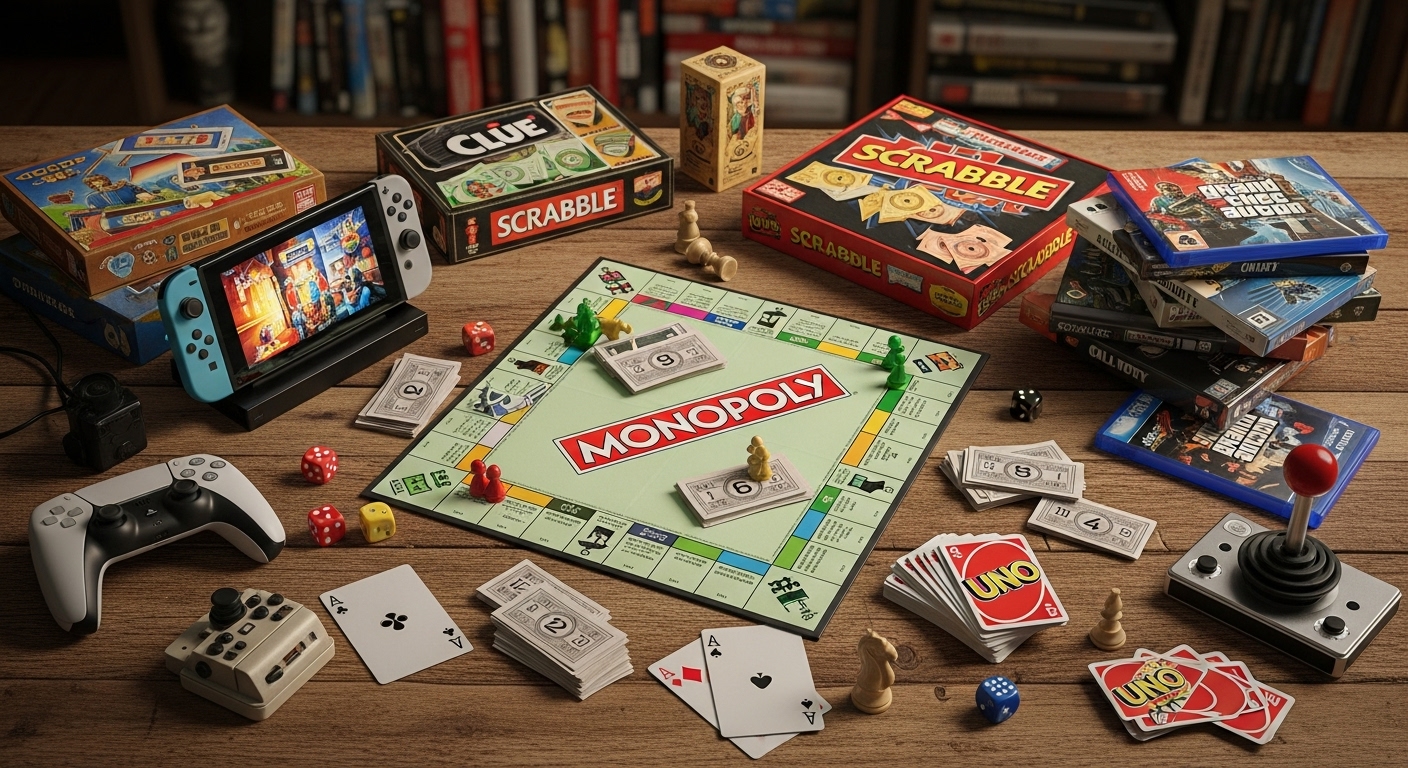
Games have been part of human civilization for millennia. The earliest evidence of games dates back to ancient Egypt, where games like Senet and Mehen were not just forms of entertainment but also had spiritual and cultural meanings. In ancient Greece and Rome, games were used to train soldiers and entertain the masses. Board games, dice games, and competitive sports were integral to daily life, offering people the opportunity to unwind, socialize, and challenge each other.
The appeal of games is universal; they provide a way to test skill, chance, and strategy. They bring people together, whether through friendly competition or cooperative play. While the games of ancient times were mostly physical or board-based, their influence can still be seen today in modern gaming systems, where similar concepts of strategy, competition, and teamwork thrive.
The Rise of Modern Games
Fast forward to the 20th century, and the world of games began to change dramatically with the invention of video games. The 1970s marked the dawn of the digital gaming era, with arcade games like Pong and Space Invaders capturing the public’s imagination. These early video games were simple yet addictive, providing instant gratification through quick gameplay and competitive high scores.
The release of the first home consoles, such as the Atari 2600, in the late 1970s and early 1980s brought video games into the home. This innovation made gaming accessible to millions of people, regardless of age or location. Classic games like Pac-Man and Donkey Kong became household names, and the gaming industry began its rapid expansion. As technology advanced, so did the complexity of the games. The 1990s saw the introduction of more sophisticated gaming consoles like the Super Nintendo Entertainment System (SNES) and Sony PlayStation, which featured more immersive graphics, sound, and gameplay mechanics.
The Golden Age of Gaming
The 1990s and early 2000s are often considered the golden age of gaming, marked by the rise of 3D graphics, complex storylines, and interactive gameplay. Games like The Legend of Zelda: Ocarina of Time, Final Fantasy VII, and Half-Life introduced deeper narratives, cinematic visuals, and gameplay that made players feel like active participants in the story. The first-person shooter genre, pioneered by games like Doom and Quake, transformed how people experienced action games, allowing them to immerse themselves in the game world through a character’s perspective.
In addition to the development of single-player experiences, the rise of online multiplayer games changed the gaming landscape. Diablo II and Warcraft III allowed players to connect with others from around the world, paving the way for future online gaming phenomena. The success of massively multiplayer online role-playing games (MMORPGs) like World of Warcraft also illustrated the growing importance of community and cooperation in gaming.
Mobile Gaming Revolution
The introduction of smartphones in the late 2000s revolutionized gaming once again. Mobile gaming made it possible for people to play games anywhere and anytime, without needing dedicated gaming hardware. With the advent of app stores and touch-screen interfaces, mobile games like Angry Birds, Candy Crush, and Pokémon Go became global sensations. Mobile gaming democratized access to games, allowing people of all ages and backgrounds to engage with interactive entertainment at their own convenience.
Mobile games cater to a wide variety of tastes, from puzzle games and casual experiences to more complex strategy games. The success of mobile platforms has also influenced the design of games, with developers focusing on shorter, more accessible gameplay sessions that fit into the daily routines of players.
The Role of Esports in the Gaming Ecosystem
In recent years, esports has transformed gaming from a hobby into a professional, competitive pursuit. What started as small-scale local tournaments has grown into a global industry with multi-million-dollar prize pools and professional players competing at the highest level. Esports events like League of Legends World Championship and The International for Dota 2 attract millions of viewers, filling massive arenas and streaming online for global audiences.
Esports has become a legitimate career for many skilled gamers, with opportunities for sponsorships, streaming, and tournament prizes. The rise of esports has also influenced game design, with a growing emphasis on balance, fairness, and spectator-friendly mechanics. Esports has brought gaming into the mainstream, making it a widely recognized form of entertainment.
Gaming as Art and Storytelling
Beyond entertainment and competition, games have become a medium for storytelling and artistic expression. Games like The Last of Us, Red Dead Redemption 2, and Bioshock Infinite demonstrate how video games can rival films and literature in terms of emotional depth, narrative complexity, and character development. Interactive storytelling, where player choices impact the narrative, adds an extra layer of immersion and emotional investment.
Games are also a form of art in their own right, blending visual design, music, and animation to create experiences that are as aesthetically pleasing as they are engaging. Titles like Journey and Hollow Knight are celebrated for their artistic value, proving that games can be more than just fun—they can be profound and thought-provoking works of art.
The Impact of Virtual and Augmented Reality
The development of virtual reality (VR) and augmented reality (AR) technologies has opened up new frontiers for gaming. VR allows players to step into fully immersive digital worlds, experiencing games in a way that was previously unimaginable. VR games like Beat Saber and Half-Life: Alyx offer a level of immersion that brings players closer to the action than ever before.
On the other hand, AR games like Pokémon Go blend the virtual and real worlds, encouraging players to explore their physical environments while interacting with digital objects. These technologies promise to redefine the boundaries of gaming by creating new ways to experience games in both virtual and real spaces.
The Rise of Indie Games
In recent years, the indie game scene has flourished, with independent developers creating unique and innovative games that challenge the conventions of mainstream gaming. Indie games like Undertale, Celeste, and Hades have gained critical acclaim for their originality, storytelling, and gameplay mechanics.
The success of indie games has shown that players are eager for fresh, creative experiences that break away from the repetitive formulas of big-budget titles. The rise of digital distribution platforms like Steam and itch.io has made it easier for indie developers to reach global audiences, democratizing game development and fostering a more diverse gaming landscape.
Gaming Communities and Social Impact
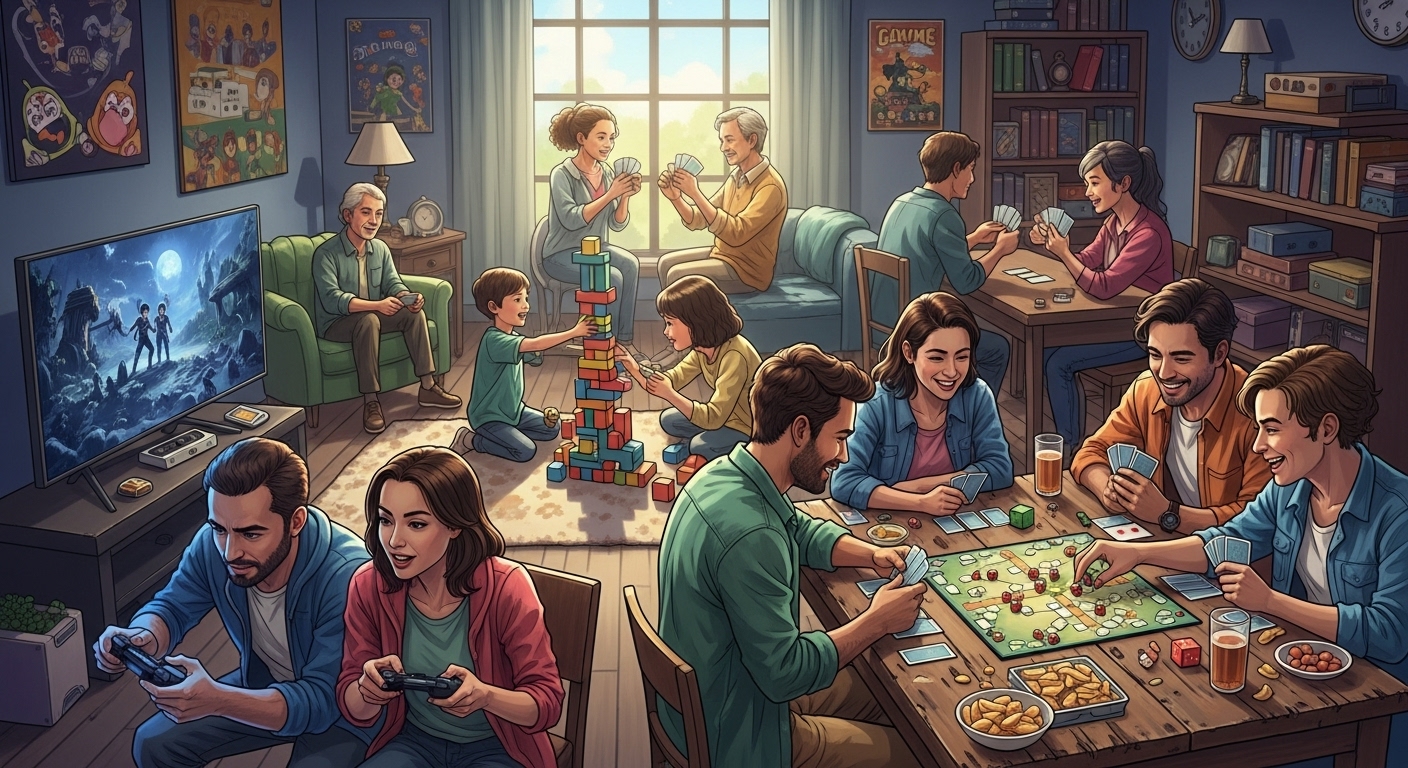
One of the most significant aspects of gaming today is the sense of community it fosters. Online multiplayer games, social networks, and streaming platforms like Twitch have made gaming a social experience, allowing players to connect, share, and collaborate in new ways. Gamers can now join forces with others from around the world, forming teams, guilds, and online communities dedicated to their favorite games.
Gaming communities have also become a source of social impact, with initiatives supporting charity events, mental health awareness, and inclusivity in gaming. Game developers and players alike are increasingly aware of the need for diverse representation, both in terms of characters and behind-the-scenes staff, to ensure that games reflect a wide range of perspectives and experiences.
The Future of Gaming
As technology continues to advance, the future of gaming holds even more exciting possibilities. Cloud gaming, which allows players to stream games directly from the internet, could make high-end gaming more accessible by eliminating the need for powerful hardware. Advances in artificial intelligence (AI) could lead to more dynamic, responsive game worlds that adapt to player behavior in real-time.
Additionally, the integration of blockchain technology could change how players interact with in-game assets, allowing for true ownership of digital items and creating new ways to monetize and trade virtual goods. The growth of VR, AR, and other immersive technologies suggests that the line between the virtual and physical worlds will continue to blur, creating new forms of gaming that we can only begin to imagine.
Conclusion
Games have come a long way from their humble beginnings. What started as simple tools for recreation has blossomed into a complex, diverse, and influential form of entertainment that spans the globe. Whether through storytelling, competition, or community-building, games have proven that they are more than just a pastime—they are a dynamic cultural force.
As technology continues to shape the world of gaming, one thing remains certain: the joy of play will always be at the heart of it. The future of gaming is bright, full of innovation and limitless potential. Whether you are a casual player or a competitive gamer, the world of games has something to offer, and the journey is just beginning.